
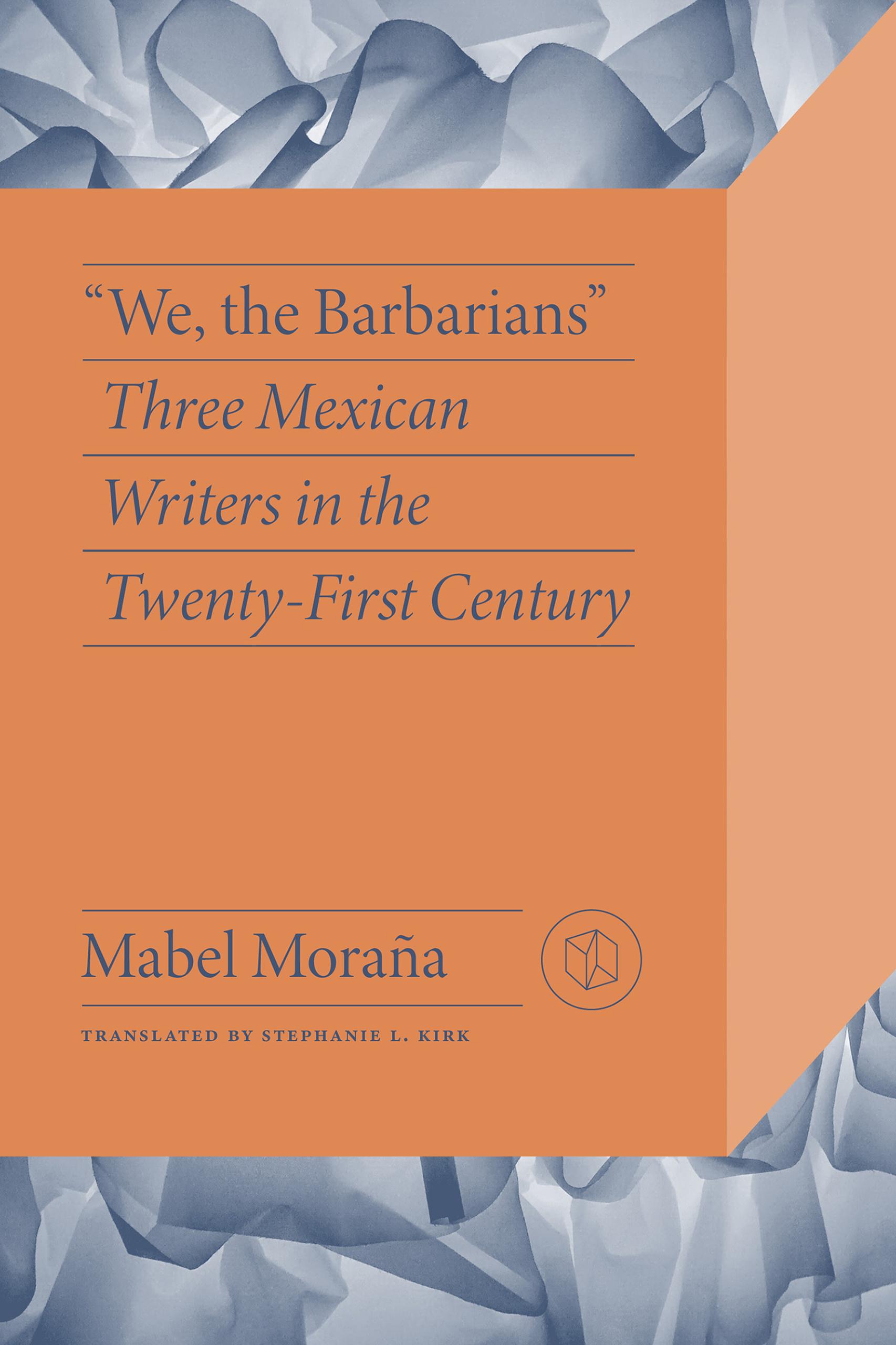
“We, the Barbarians” embarks on a careful and exhaustive reading of three of the most prominent authors in the latest wave of Mexican fiction: Yuri Herrera, Fernanda Melchor, and Valeria Luiselli. Originally published in Mexico in 2021, this work is divided into three parts, one for each author’s narrative production. The book analyzes all of the literary works published by Herrera, Melchor, and Luiselli from the beginning of their writing careers until 2021, allowing for a diachronic interpretation of their respective narrative projects as well as for comparative approaches to their aesthetic and ideological contours.
Characterized by the fragmentation of civil society and the decomposition of the myths that accompanied the consolidation of the modern nation, Mexican visual and literary arts have explored a myriad of representational avenues to approach the phenomena of violence, institutional decay, and political instability. The critical and theoretical approaches in “We, the Barbarians” explore a variety of alternative symbolic representations of topics such as nationalism, community, and affect in times impacted by systemic violence, precariousness, and radical inequality. Moraña perceives the negotiations between regional/local imaginaries and global scenarios characterized by the devaluation and resignification of life, both at individual and collective levels. Though it uses three authors as its focus, this book seeks to more broadly theorize the question of the relationship between literature and the social in the twenty-first century.
Characterized by the fragmentation of civil society and the decomposition of the myths that accompanied the consolidation of the modern nation, Mexican visual and literary arts have explored a myriad of representational avenues to approach the phenomena of violence, institutional decay, and political instability. The critical and theoretical approaches in “We, the Barbarians” explore a variety of alternative symbolic representations of topics such as nationalism, community, and affect in times impacted by systemic violence, precariousness, and radical inequality. Moraña perceives the negotiations between regional/local imaginaries and global scenarios characterized by the devaluation and resignification of life, both at individual and collective levels. Though it uses three authors as its focus, this book seeks to more broadly theorize the question of the relationship between literature and the social in the twenty-first century.
Betaal eenvoudig met kaart, Klarna, Apple Pay of Google Pay. Niet tevreden? Je hebt altijd 14 dagen bedenktijd. Lees meer in onze voorwaarden. Heb je vragen, mail ons dan via hello@memmo.org.
Memmo maakt studeren makkelijker – waar je ook bent ter wereld. Wij brengen je cursusboeken en slimme studietools samen op één plek: samenvattingen, quizzen, podcasts en flashcards. En Ted, je studievriend die antwoord geeft op alles wat je je afvraagt. Meer dan 50.000 studenten studeren hier al – gebouwd om je sneller te laten leren en minder stress te geven.
Misschien vind je dit ook leuk
Koop het boek0