
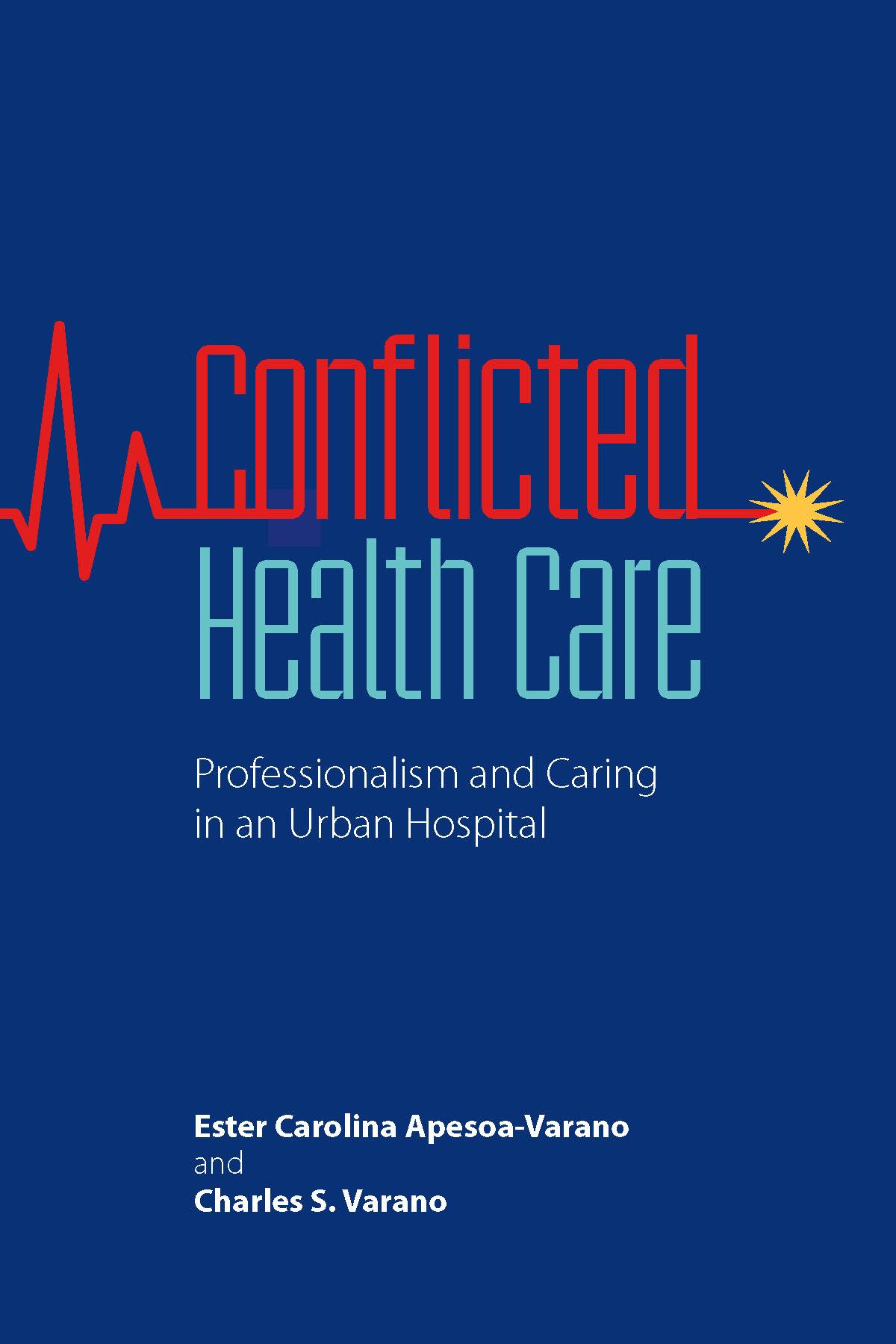
Anyone who has spent time in a hospital as a patient or family member of a patient hopes that those who attend to us or our loved ones are at their professional best and that they care for us in ways that console us and preserve our dignity. This book takes an intimate look at how health care practitioners struggle to live up to their professional and caring ideals through (or during?) twelve-hour shifts on the hospital floor.
From 3,200 hours of participant-observation and 500 hours of follow-up interviews with twenty-one doctors, thirty registered nurses, twenty-one respiratory therapists, twenty medical social workers, and eighteen occupational, physical, and speech therapists, the authors create a complex picture of the workplace conflicts that different types of health care practitioners face. Though all these groups espouse caring ideals, professional interests and a curative orientation dominate in patient care and interoccupational relations. Because emotive caring is not supported by the organization of health care in the hospital, it becomes an individual virtue that overworked staff find hard to perform, and it takes on an ideological form that obscures the status hierarchy among practitioners. Conflicts between practitioners rest upon the ranking of each group's knowledge base. They manifest in efforts to work as a team or set limits on practitioner responsibilities and in differing views on unionization.
From 3,200 hours of participant-observation and 500 hours of follow-up interviews with twenty-one doctors, thirty registered nurses, twenty-one respiratory therapists, twenty medical social workers, and eighteen occupational, physical, and speech therapists, the authors create a complex picture of the workplace conflicts that different types of health care practitioners face. Though all these groups espouse caring ideals, professional interests and a curative orientation dominate in patient care and interoccupational relations. Because emotive caring is not supported by the organization of health care in the hospital, it becomes an individual virtue that overworked staff find hard to perform, and it takes on an ideological form that obscures the status hierarchy among practitioners. Conflicts between practitioners rest upon the ranking of each group's knowledge base. They manifest in efforts to work as a team or set limits on practitioner responsibilities and in differing views on unionization.
Pagina's: 208
Categorie: Sociologi
e-ISBN: 9780826502957
Verzendgewicht: 1.2 kg
Verzending binnen: 1-2 dagen
Betaal eenvoudig met kaart, Klarna, Apple Pay of Google Pay. Niet tevreden? Je hebt altijd 14 dagen bedenktijd. Lees meer in onze voorwaarden. Heb je vragen, mail ons dan via hello@memmo.org.
Memmo maakt studeren makkelijker – waar je ook bent ter wereld. Wij brengen je cursusboeken en slimme studietools samen op één plek: samenvattingen, quizzen, podcasts en flashcards. En Ted, je studievriend die antwoord geeft op alles wat je je afvraagt. Meer dan 50.000 studenten studeren hier al – gebouwd om je sneller te laten leren en minder stress te geven.
Misschien vind je dit ook leuk
Koop het boek0