
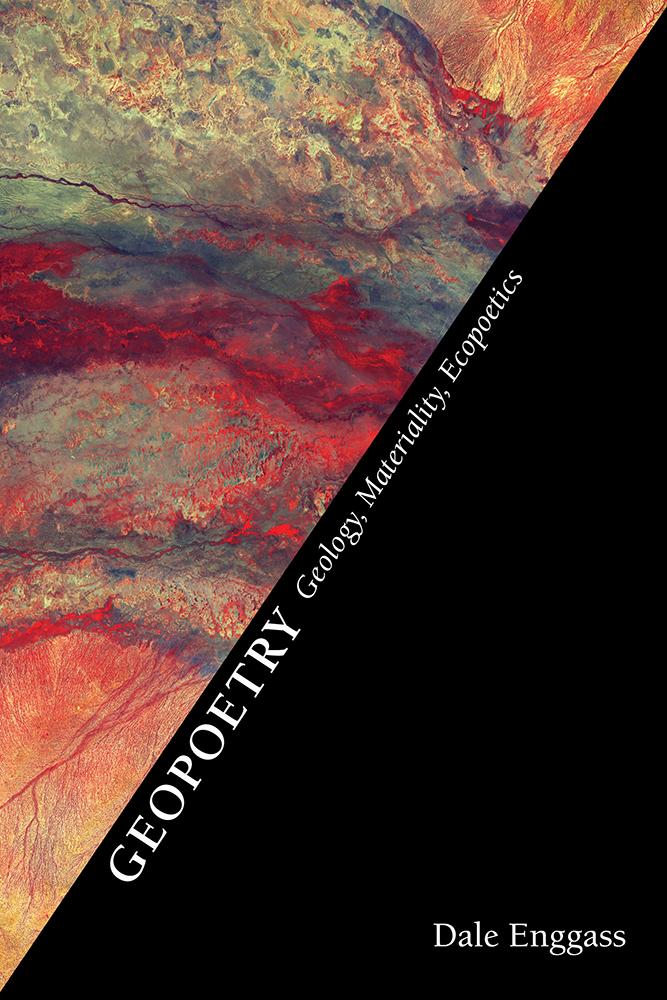
At its core, geopoetics proposes that a connection between language and geology has become a significant development in post–World War II poetics. In Geopoetry, Dale Enggass argues that certain literary works enact geologic processes, such as erosion and deposition, and thereby suggest that language itself is a geologic––and not a solely human-based––process. Elements of language extend past human control and open onto an inhuman dimension, which raises the question of how literary works approach the representation of nonhuman realms. Enggass examines the work of Clark Coolidge, Robert Smithson, Ed Dorn, Maggie O’Sullivan, Jeremy Prynne, Jen Bervin, Christian Bök, and Steve McCaffery, and he finds that while many of these authors are not traditionally connected to ecocritical writing, their innovations are central to ecocritical concerns. In treating language as a geological material, these authors interrogate the boundary between human and nonhuman realms and offer a model for a complex literary engagement with the Anthropocene.
Betaal eenvoudig met kaart, Klarna, Apple Pay of Google Pay. Niet tevreden? Je hebt altijd 14 dagen bedenktijd. Lees meer in onze voorwaarden. Heb je vragen, mail ons dan via hello@memmo.org.
Memmo maakt studeren makkelijker – waar je ook bent ter wereld. Wij brengen je cursusboeken en slimme studietools samen op één plek: samenvattingen, quizzen, podcasts en flashcards. En Ted, je studievriend die antwoord geeft op alles wat je je afvraagt. Meer dan 50.000 studenten studeren hier al – gebouwd om je sneller te laten leren en minder stress te geven.