
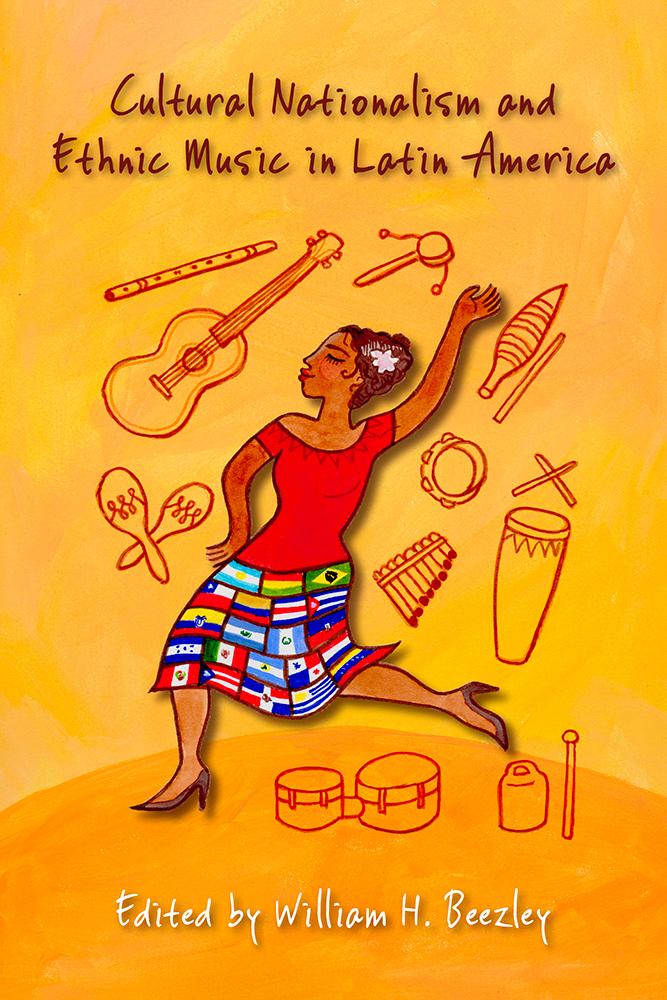
Music has been critical to national identity in Latin America, especially since the worldwide emphasis on nations and cultural identity that followed World War I. Unlike European countries with unified ethnic populations, Latin American nations claimed blended ethnicities—indigenous, Caucasian, African, and Asian—and the process of national stereotyping that began in the 1920s drew on themes of indigenous and African cultures. Composers and performers drew on the folklore and heritage of ethnic and immigrant groups in different nations to produce what became the music representative of different countries. Mexico became the nation of mariachi bands, Argentina the land of the tango, Brazil the country of Samba, and Cuba the island of Afro-Cuban rhythms, including the rhumba. The essays collected here offer a useful introduction to the twin themes of music and national identity and melodies and ethnic identification. The contributors examine a variety of countries where powerful historical movements were shaped intentionally by music.
Betaal eenvoudig met kaart, Klarna, Apple Pay of Google Pay. Niet tevreden? Je hebt altijd 14 dagen bedenktijd. Lees meer in onze voorwaarden. Heb je vragen, mail ons dan via hello@memmo.org.
Memmo maakt studeren makkelijker – waar je ook bent ter wereld. Wij brengen je cursusboeken en slimme studietools samen op één plek: samenvattingen, quizzen, podcasts en flashcards. En Ted, je studievriend die antwoord geeft op alles wat je je afvraagt. Meer dan 50.000 studenten studeren hier al – gebouwd om je sneller te laten leren en minder stress te geven.