
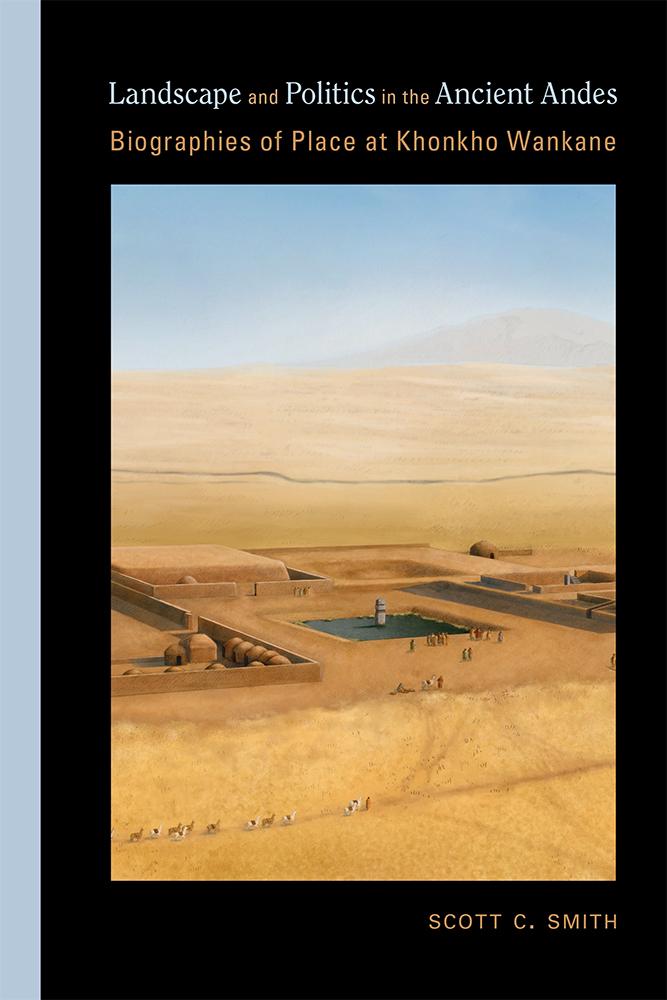
This book is a study of the ways places are created and how they attain meaning. Smith presents archaeological data from Khonkho Wankane in the southern Lake Titicaca basin of Bolivia to explore how landscapes were imagined and constructed during processes of political centralization in this region. In particular he examines landscapes of movement and the development of powerful political and religious centers during the Late Formative period (200 BC–AD 500), just before the emergence of the urban state centered at Tiwanaku (AD 500–1100).
Late Formative politico-religious centers, Smith notes, were characterized by mobile populations of agropastoralists and caravan drovers. By exploring ritual practice at Late Formative settlements, Smith provides a new way of looking at political centralization, incipient urbanism, and state formation at Tiwanaku.
Betaal eenvoudig met kaart, Klarna, Apple Pay of Google Pay. Niet tevreden? Je hebt altijd 14 dagen bedenktijd. Lees meer in onze voorwaarden. Heb je vragen, mail ons dan via hello@memmo.org.
Memmo maakt studeren makkelijker – waar je ook bent ter wereld. Wij brengen je cursusboeken en slimme studietools samen op één plek: samenvattingen, quizzen, podcasts en flashcards. En Ted, je studievriend die antwoord geeft op alles wat je je afvraagt. Meer dan 50.000 studenten studeren hier al – gebouwd om je sneller te laten leren en minder stress te geven.