
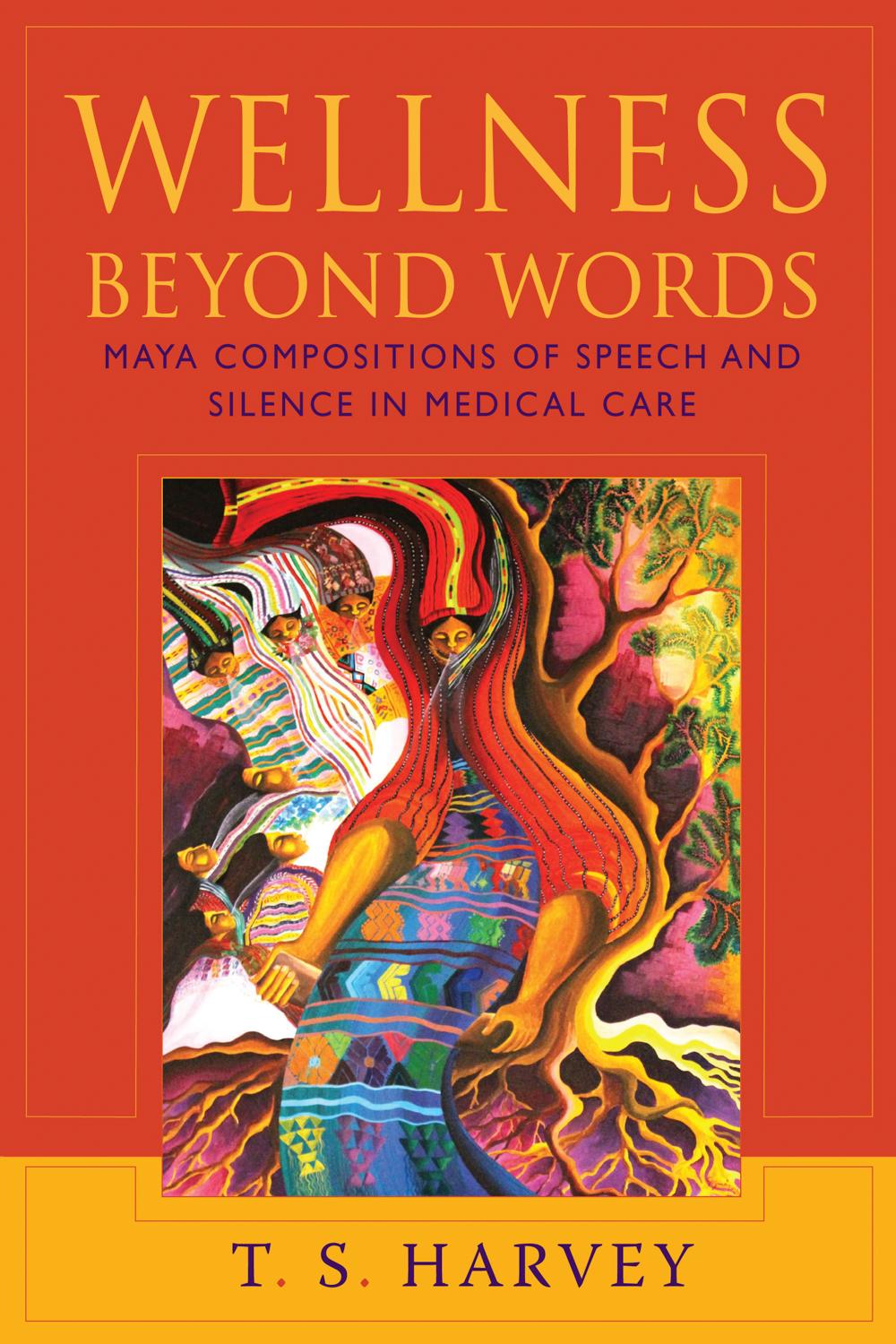
The delivery of health care can present a minefield of communication problems, particularly in cross-cultural settings where patients and health practitioners come from dissimilar cultures and speak different languages. Responding to the need for in-depth ethnographic studies in cultural and communicative competence, this anthropological account of Maya language use in health care in highland Guatemala explores some of the cultural and linguistic factors that can complicate communication in the practice of medicine. Bringing together the analytical tools of linguistic and medical anthropology, T. S. Harvey offers a rare comparative glimpse into
Maya intra-cultural therapeutic (Maya healer/Maya wellness-seeker) and cross-cultural biomedical (Ladino practitioner/Maya patient) interactions.
In Maya medical encounters, the number of participants, the plurality of their voices, and the cooperative linguistic strategies that they employ to compose illness narratives challenge conventional analytical techniques and call into question some basic assumptions about doctor-patient interactions. Harvey’s innovative approach, combining the “ethnography
of polyphony” and its complementary technique, the “polyphonic score,” reveals the complex interplay of speaking and silence during medical encounters, sociolinguistic patterns that help us avoid clinical complications connected to medical miscommunication.
Betaal eenvoudig met kaart, Klarna, Apple Pay of Google Pay. Niet tevreden? Je hebt altijd 14 dagen bedenktijd. Lees meer in onze voorwaarden. Heb je vragen, mail ons dan via hello@memmo.org.
Memmo maakt studeren makkelijker – waar je ook bent ter wereld. Wij brengen je cursusboeken en slimme studietools samen op één plek: samenvattingen, quizzen, podcasts en flashcards. En Ted, je studievriend die antwoord geeft op alles wat je je afvraagt. Meer dan 50.000 studenten studeren hier al – gebouwd om je sneller te laten leren en minder stress te geven.