
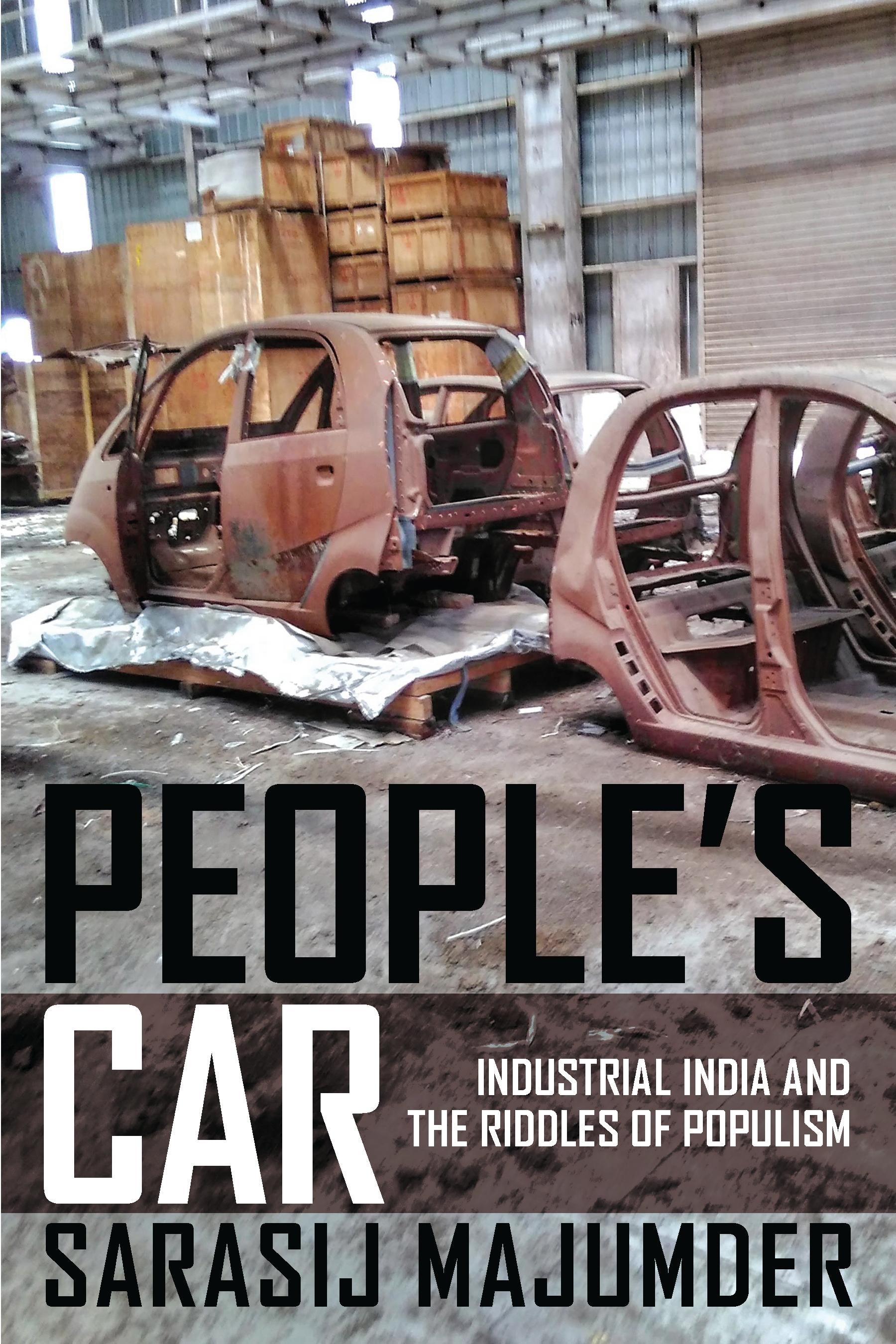
India is witnessing a unique moment in populism, with sentiments divided between economic reforms that promise fast industrialization and protests that thwart such industrialization. This book offers an ethnographic study of divergent local responses to the proposed construction of a Tata Motors factory in eastern India that would have produced the Nano, the so-called people’s car. Initial excitement was followed by long protests among the villagers whose agricultural land was being acquired for the project. After these protests secured the relocation of the factory, further demonstrations followed, sometimes involving the same participants, seeking to bring the factory back.
People’s Car explores this ambivalence concerning industrialization, asking why long drawn resistances against corporate industrialization coexist with political rhetoric and slogans promoting fast-paced industrialization. Majumder argues that such contradictory rhetoric and promises target divided sentiments in rural India where land is incommensurable with money and a site specially marked by desire for middle caste small landowners aspiring to futures beyond agriculture.
Previous studies of industrialization have generally focused on either demands for development or populist critiques. Moving beyond romantic clichés about urban/rural divisions, People’s Car offers a single analytical and ethnographic framework demonstrating how pro- and anti-industrialization forces feed off each other.
Betaal eenvoudig met kaart, Klarna, Apple Pay of Google Pay. Niet tevreden? Je hebt altijd 14 dagen bedenktijd. Lees meer in onze voorwaarden. Heb je vragen, mail ons dan via hello@memmo.org.
Memmo maakt studeren makkelijker – waar je ook bent ter wereld. Wij brengen je cursusboeken en slimme studietools samen op één plek: samenvattingen, quizzen, podcasts en flashcards. En Ted, je studievriend die antwoord geeft op alles wat je je afvraagt. Meer dan 50.000 studenten studeren hier al – gebouwd om je sneller te laten leren en minder stress te geven.