
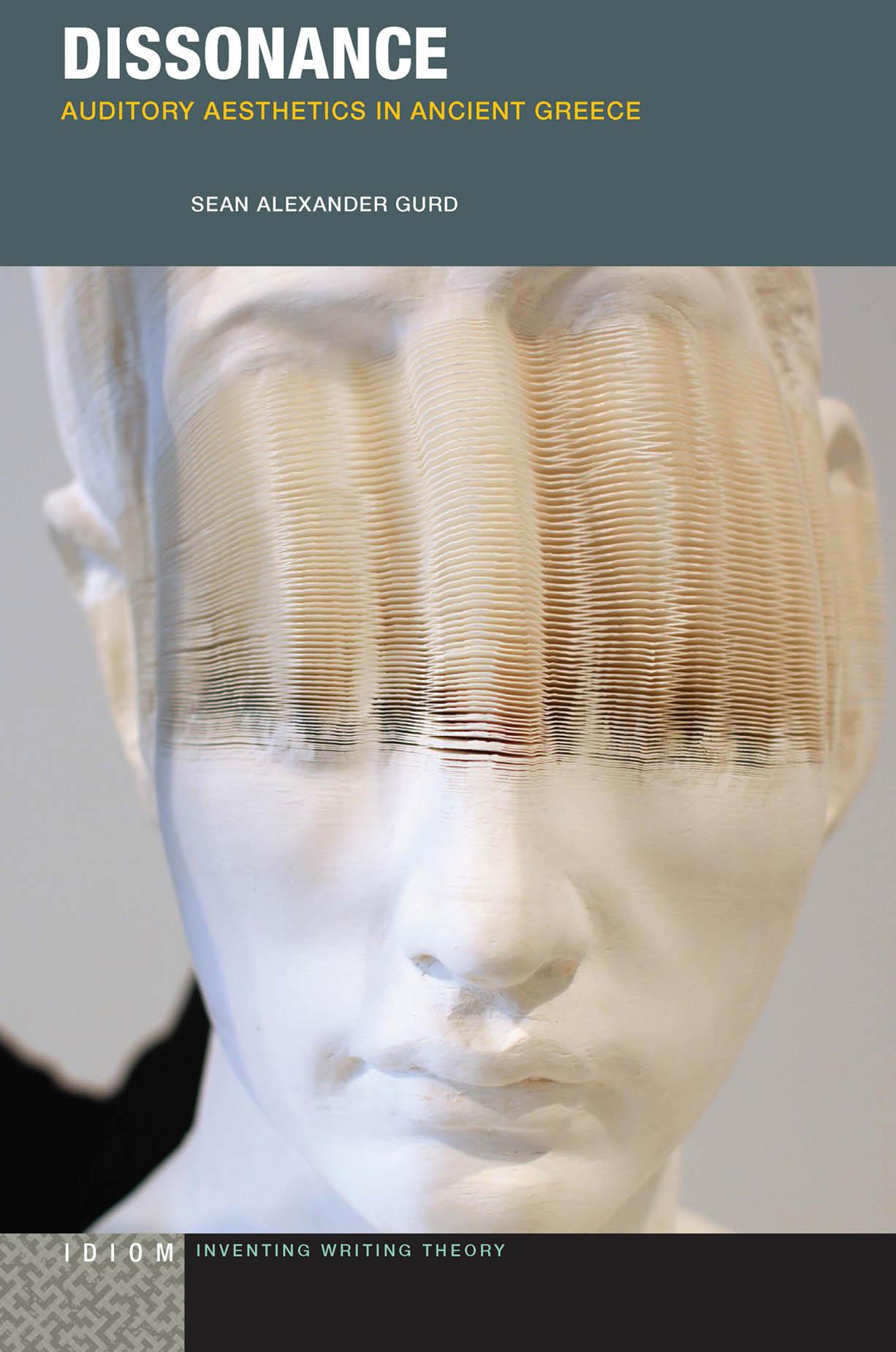
In the four centuries leading up to the death of Euripides, Greek singers, poets, and theorists delved deeply into auditory experience. They charted its capacity to develop topologies distinct from those of the other senses; contemplated its use as a communicator of information; calculated its power to express and cause extreme emotion. They made sound too, artfully and self-consciously creating songs and poems that reveled in sonorousness. Dissonance reveals the commonalities between ancient Greek auditory art and the concerns of contemporary sound studies, avant-garde music, and aesthetics, making the argument that “classical” Greek song and drama were, in fact, an early European avant-garde, a proto-exploration of the aesthetics of noise. The book thus develops an alternative to that romantic ideal which sees antiquity as a frozen and silent world.
Betaal eenvoudig met kaart, Klarna, Apple Pay of Google Pay. Niet tevreden? Je hebt altijd 14 dagen bedenktijd. Lees meer in onze voorwaarden. Heb je vragen, mail ons dan via hello@memmo.org.
Memmo maakt studeren makkelijker – waar je ook bent ter wereld. Wij brengen je cursusboeken en slimme studietools samen op één plek: samenvattingen, quizzen, podcasts en flashcards. En Ted, je studievriend die antwoord geeft op alles wat je je afvraagt. Meer dan 50.000 studenten studeren hier al – gebouwd om je sneller te laten leren en minder stress te geven.
Misschien vind je dit ook leuk
Koop het boek0