
Photographs by Charlee Brodsky
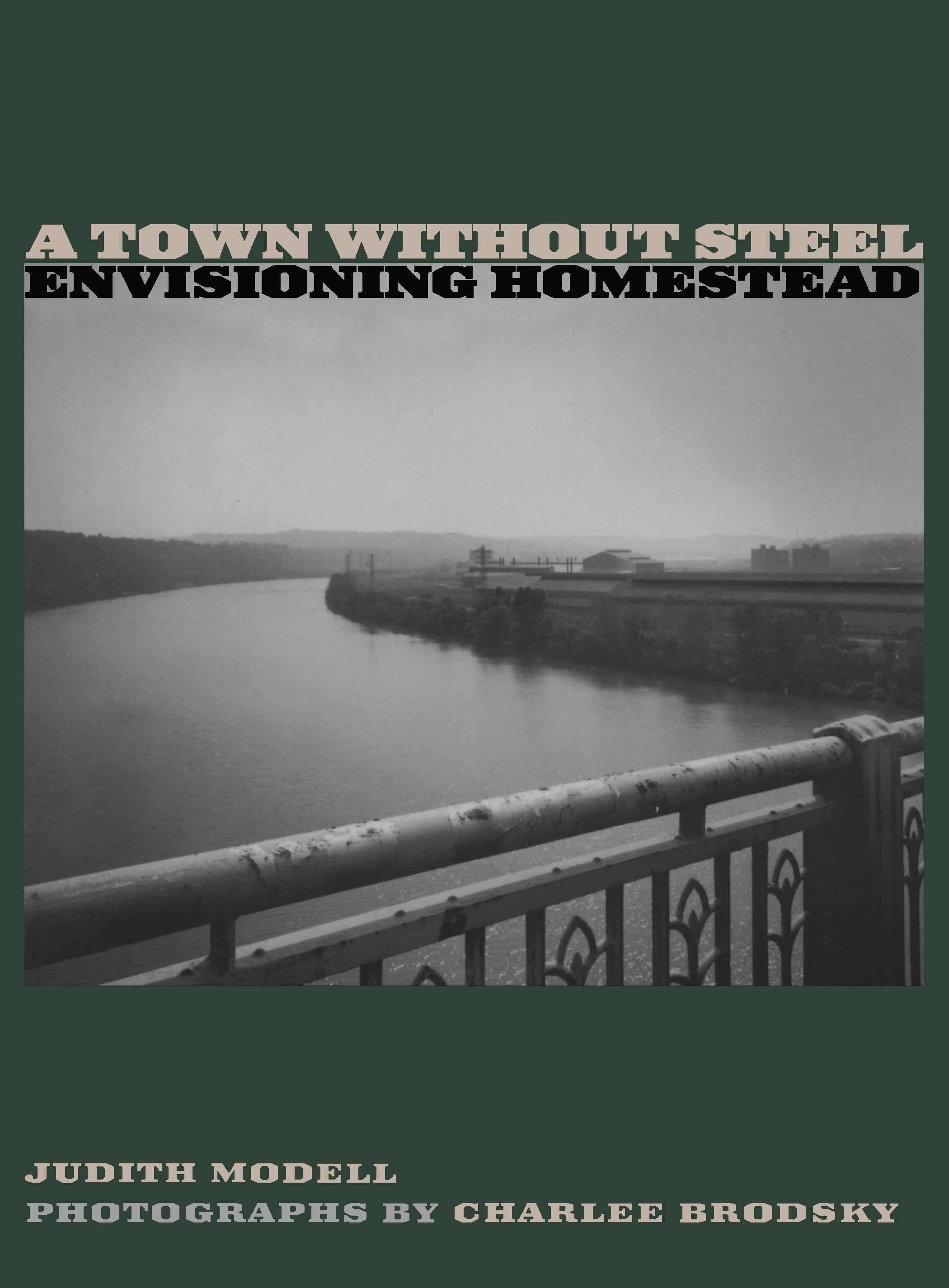
In 1986, with little warning, the USX Homestead Works closed. Thousands of workers who depended on steel to survive were left without work. A Town Without Steel looks at the people of Homestead as they reinvent their views of household and work and place in this world. The book details the modifications and revisions of domestic strategies in a public crisis. In some ways unique, and in some ways typical of American industrial towns, the plight of Homestead sheds light on social, cultural, and political developments of the late twentieth century. In this anthropological and photographic account of a town facing the crisis of deindustrialization, A Town Without Steel focuses on families. Reminiscent of Margaret Byington and Lewis Hine's approach in Homestead, Charlee Brodsky's photographs document the visual dimension of change in Homestead. The mill that dominated the landscape transformed to a vast, empty lot; a crowded commercial street turns into a ghost town; and an abundance of well-kept homes become an abandoned street of houses for sale. The individual narratives and family snapshots, Modell's interpretations, and Brodsky's photographs all evoke the tragedy and the resilience of a town whose primary source of self-identification no longer exists.
In 1986, with little warning, the USX Homestead Works closed. Thousands of workers who depended on steel to survive were left without work. A Town Without Steel looks at the people of Homestead as they reinvent their views of household and work and place in this world. The book details the modifications and revisions of domestic strategies in a public crisis. In some ways unique, and in some ways typical of American industrial towns, the plight of Homestead sheds light on social, cultural, and political developments of the late twentieth century. In this anthropological and photographic account of a town facing the crisis of deindustrialization, A Town Without Steel focuses on families. Reminiscent of Margaret Byington and Lewis Hine's approach in Homestead, Charlee Brodsky's photographs document the visual dimension of change in Homestead. The mill that dominated the landscape transformed to a vast, empty lot; a crowded commercial street turns into a ghost town; and an abundance of well-kept homes become an abandoned street of houses for sale. The individual narratives and family snapshots, Modell's interpretations, and Brodsky's photographs all evoke the tragedy and the resilience of a town whose primary source of self-identification no longer exists.
Betaal eenvoudig met kaart, Klarna, Apple Pay of Google Pay. Niet tevreden? Je hebt altijd 14 dagen bedenktijd. Lees meer in onze voorwaarden. Heb je vragen, mail ons dan via hello@memmo.org.
Memmo maakt studeren makkelijker – waar je ook bent ter wereld. Wij brengen je cursusboeken en slimme studietools samen op één plek: samenvattingen, quizzen, podcasts en flashcards. En Ted, je studievriend die antwoord geeft op alles wat je je afvraagt. Meer dan 50.000 studenten studeren hier al – gebouwd om je sneller te laten leren en minder stress te geven.
Misschien vind je dit ook leuk
Koop het boek0