
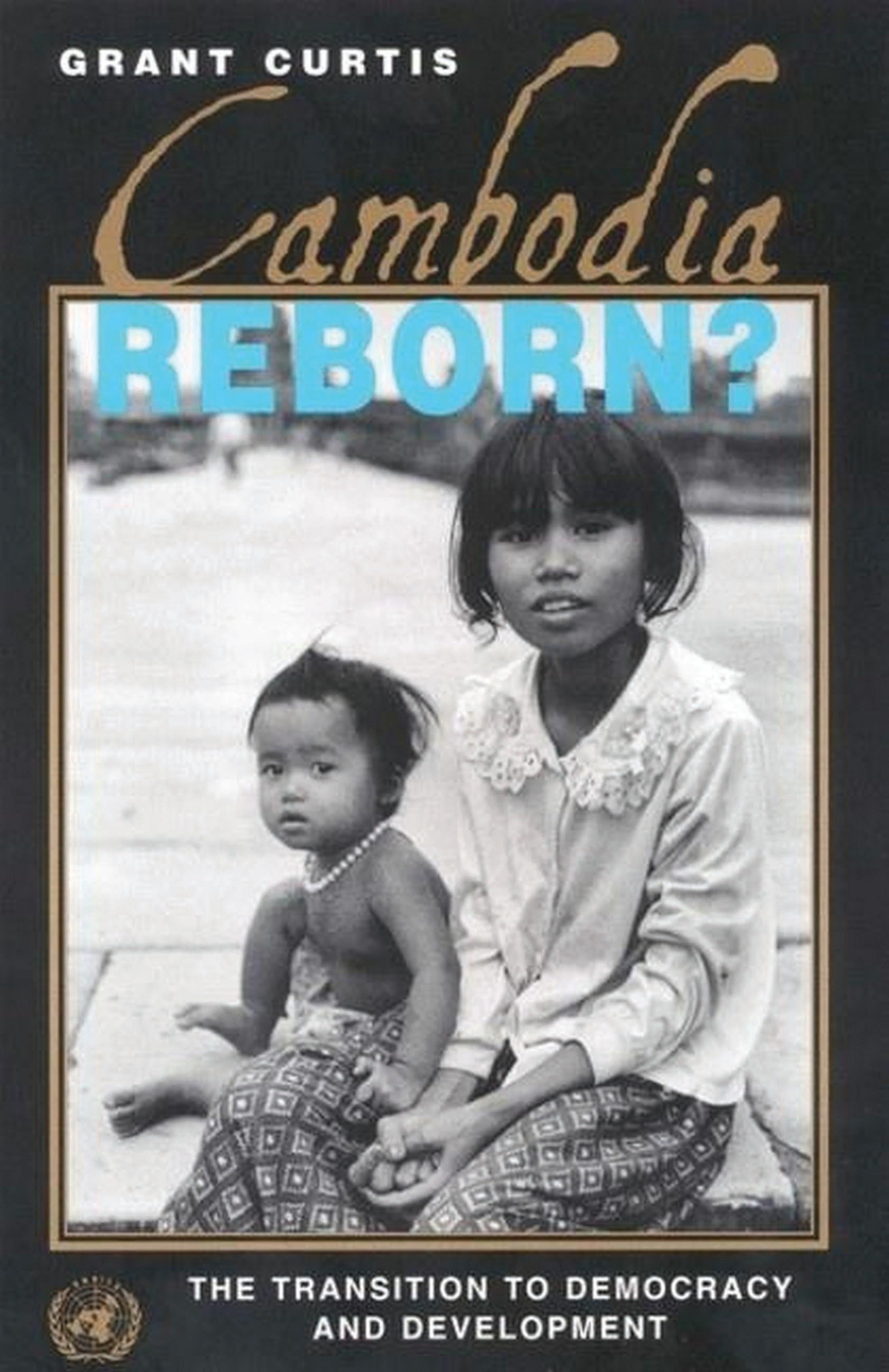
When United Nations sponsored elections were held in 1993, there were high hopes that Cambodia would finally be able to escape the nightmare of war, the killing fields, famine, and economic turmoil that its people had endured since 1970. Large amounts of international development assistance, a rapidly expanding NGO sector, and a pragmatic power-sharing arrangement between former adversaries, seemed to bode well for the future. Yet, as the country was once again preparing for elections in 1998, serious tensions and conflicts continued to undermine the transition process.
This book examines Cambodia's uneasy renaissance from years of conflict, isolation and authoritarian rule. It assesses, in particular, the efforts of the government, NGOs, and the international community to facilitate Cambodia's various transitions to peace, democracy, and a market economy, as well as the strengthening of civil society.
Copublished with the United Nations Research Institute for Social Development
This book examines Cambodia's uneasy renaissance from years of conflict, isolation and authoritarian rule. It assesses, in particular, the efforts of the government, NGOs, and the international community to facilitate Cambodia's various transitions to peace, democracy, and a market economy, as well as the strengthening of civil society.
Copublished with the United Nations Research Institute for Social Development
Betaal eenvoudig met kaart, Klarna, Apple Pay of Google Pay. Niet tevreden? Je hebt altijd 14 dagen bedenktijd. Lees meer in onze voorwaarden. Heb je vragen, mail ons dan via hello@memmo.org.
Memmo maakt studeren makkelijker – waar je ook bent ter wereld. Wij brengen je cursusboeken en slimme studietools samen op één plek: samenvattingen, quizzen, podcasts en flashcards. En Ted, je studievriend die antwoord geeft op alles wat je je afvraagt. Meer dan 50.000 studenten studeren hier al – gebouwd om je sneller te laten leren en minder stress te geven.