
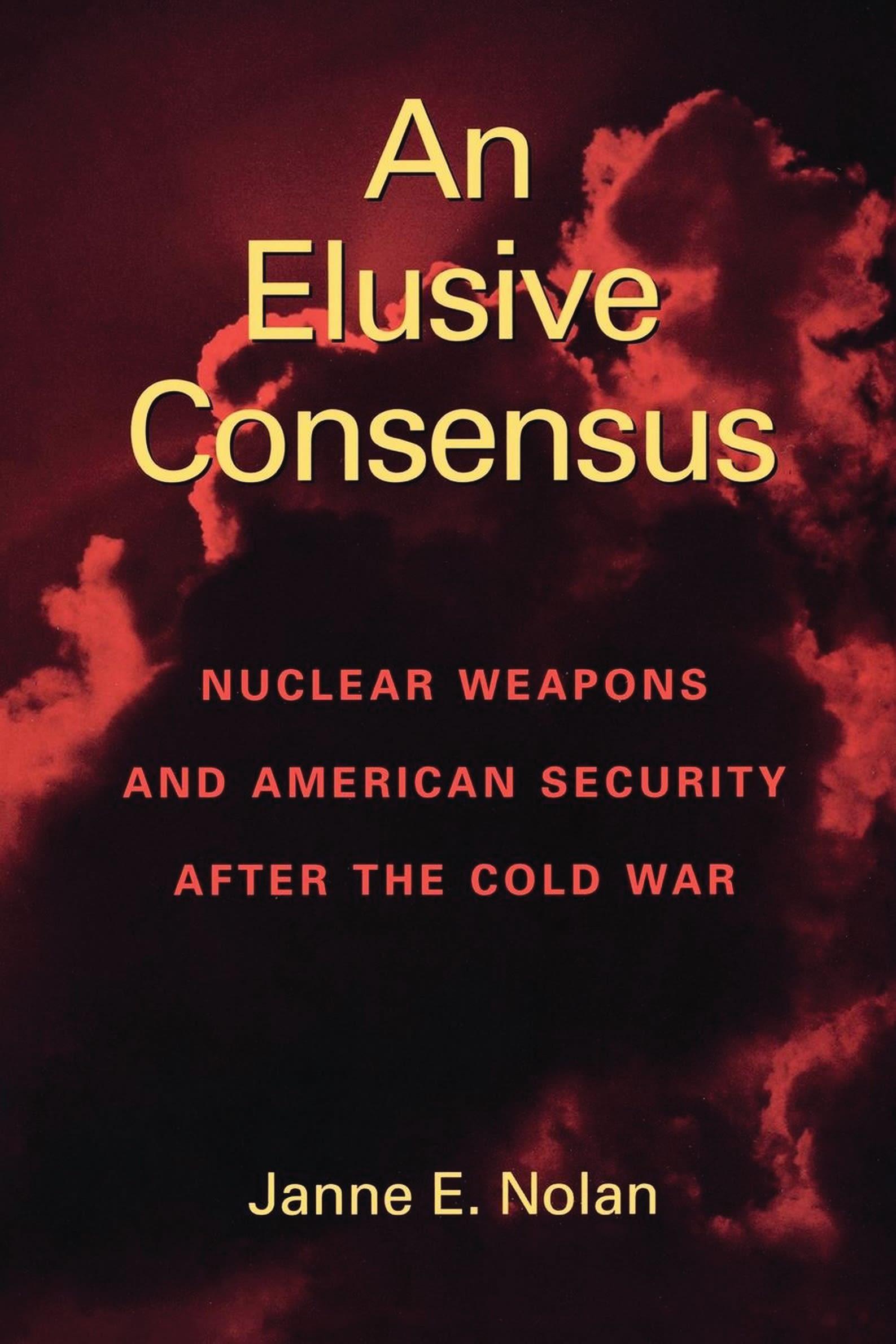
The United States continues to maintain a large nuclear arsenal guided by a deterrence strategy little changed since the collapse of the Warsaw Pact. Notwithstanding changes in the size and composition of nuclear forces brought about since 1991, the fundamental rationales and planning principles which informed U.S. nuclear policy for decades remain in place--despite the disappearance of a superpower nuclear enemy. In this work, Janne E. Nolan traces the effort to articulate a post-cold war nuclear doctrine through decisions taken in the Bush and Clinton administrations, focusing on the leadership styles of presidents, bureaucratic politics, and broader foreign policy objectives. Based on in-depth interviews with policy participants, this study illuminates in detail the dynamics by which the U.S. government has tried to reflect the dramatically altered international arena in its nuclear policies. In two major policy developments--the 1994 Nuclear Posture Review and the decision to sign the African Nuclear Weapons Free Zone Treaty--U.S. policy makers sought to define the utility of nuclear weapons after the cold war and to gain broad-based consensus. For many reasons, these efforts were largely unsuccessful in developing coherent policies, with the absence of sustained presidential leadership proving most decisive.
Pagina's: 139
Categorie: Statsvetenskap & Politik
e-ISBN: 9780815791195
Verzendgewicht: 1.2 kg
Verzending binnen: 1-2 dagen
Betaal eenvoudig met kaart, Klarna, Apple Pay of Google Pay. Niet tevreden? Je hebt altijd 14 dagen bedenktijd. Lees meer in onze voorwaarden. Heb je vragen, mail ons dan via hello@memmo.org.
Memmo maakt studeren makkelijker – waar je ook bent ter wereld. Wij brengen je cursusboeken en slimme studietools samen op één plek: samenvattingen, quizzen, podcasts en flashcards. En Ted, je studievriend die antwoord geeft op alles wat je je afvraagt. Meer dan 50.000 studenten studeren hier al – gebouwd om je sneller te laten leren en minder stress te geven.