
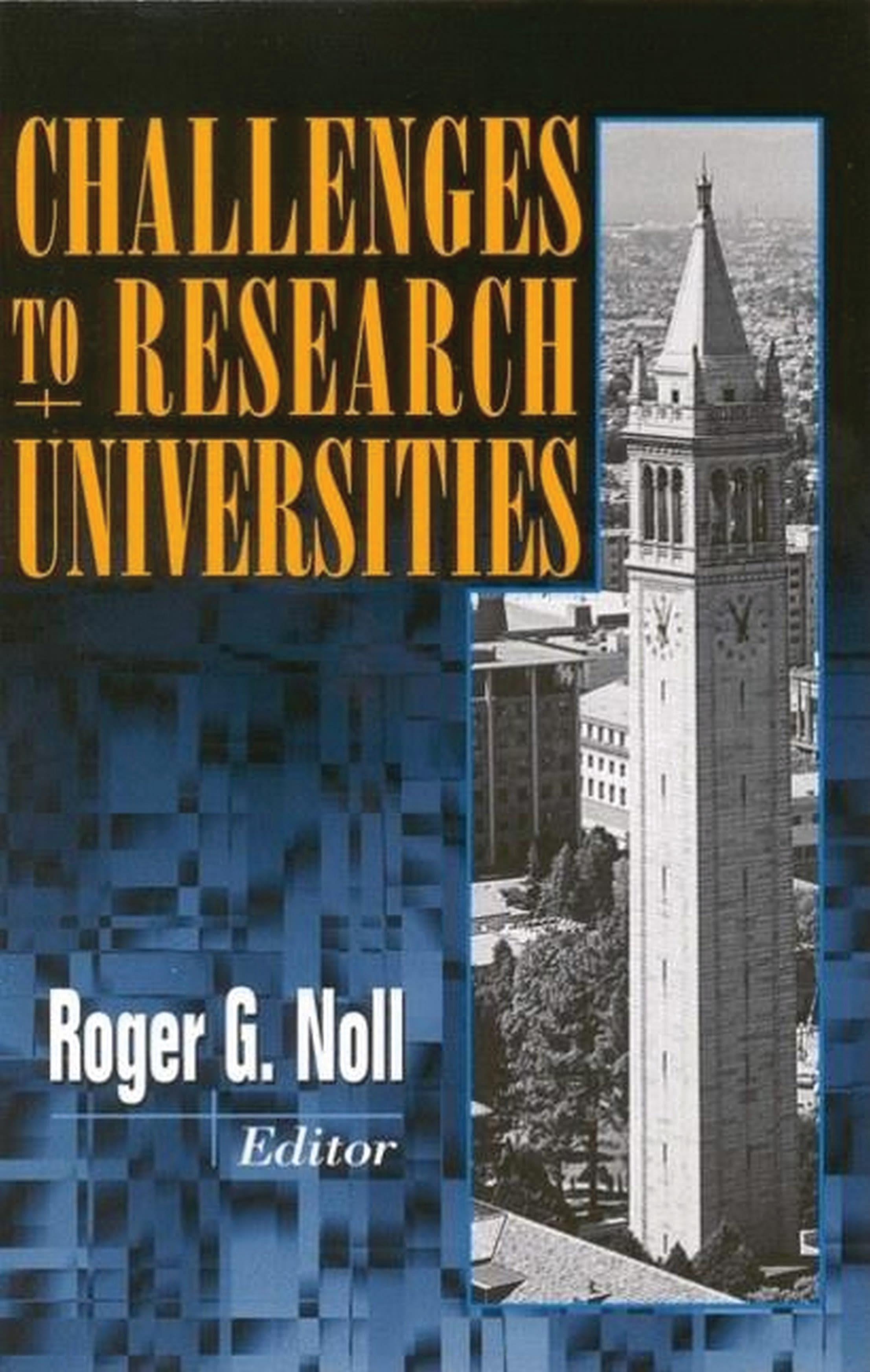
The American research university enjoyed an unprecedented boom from the end of World War II until the 1990s. All sources of financial support for universities--federal grants, private gifts, state appropriations, student tuition, and revenues from university medical centers--grew substantially. As a result, traditionally prestigious universities expanded and numerous other universities were transformed from primarily teaching institutions to significant research centers. But in the 1990s, research universities have experienced the first protracted challenge to the boom of the preceeding four decades. This book examines the nature of the challenges to research universities, and their likely effects on the number, size, and operation of these universities. The authors assess the prospects for research support from government, industry, and profits from university medical centers, and conclude that the future does not appear bright in these cases. They also examine the methods used by the federal government to pay for university research, and propose changes that would make both universities and the federal government better off by reducing the administrative costs of federal grants. Their primary conclusion is that in the next decade American research universities will face increasingly stringent budgets, and will be forced to shrink and refocus their activities in order to survive as research institutions.
Betaal eenvoudig met kaart, Klarna, Apple Pay of Google Pay. Niet tevreden? Je hebt altijd 14 dagen bedenktijd. Lees meer in onze voorwaarden. Heb je vragen, mail ons dan via hello@memmo.org.
Memmo maakt studeren makkelijker – waar je ook bent ter wereld. Wij brengen je cursusboeken en slimme studietools samen op één plek: samenvattingen, quizzen, podcasts en flashcards. En Ted, je studievriend die antwoord geeft op alles wat je je afvraagt. Meer dan 50.000 studenten studeren hier al – gebouwd om je sneller te laten leren en minder stress te geven.