
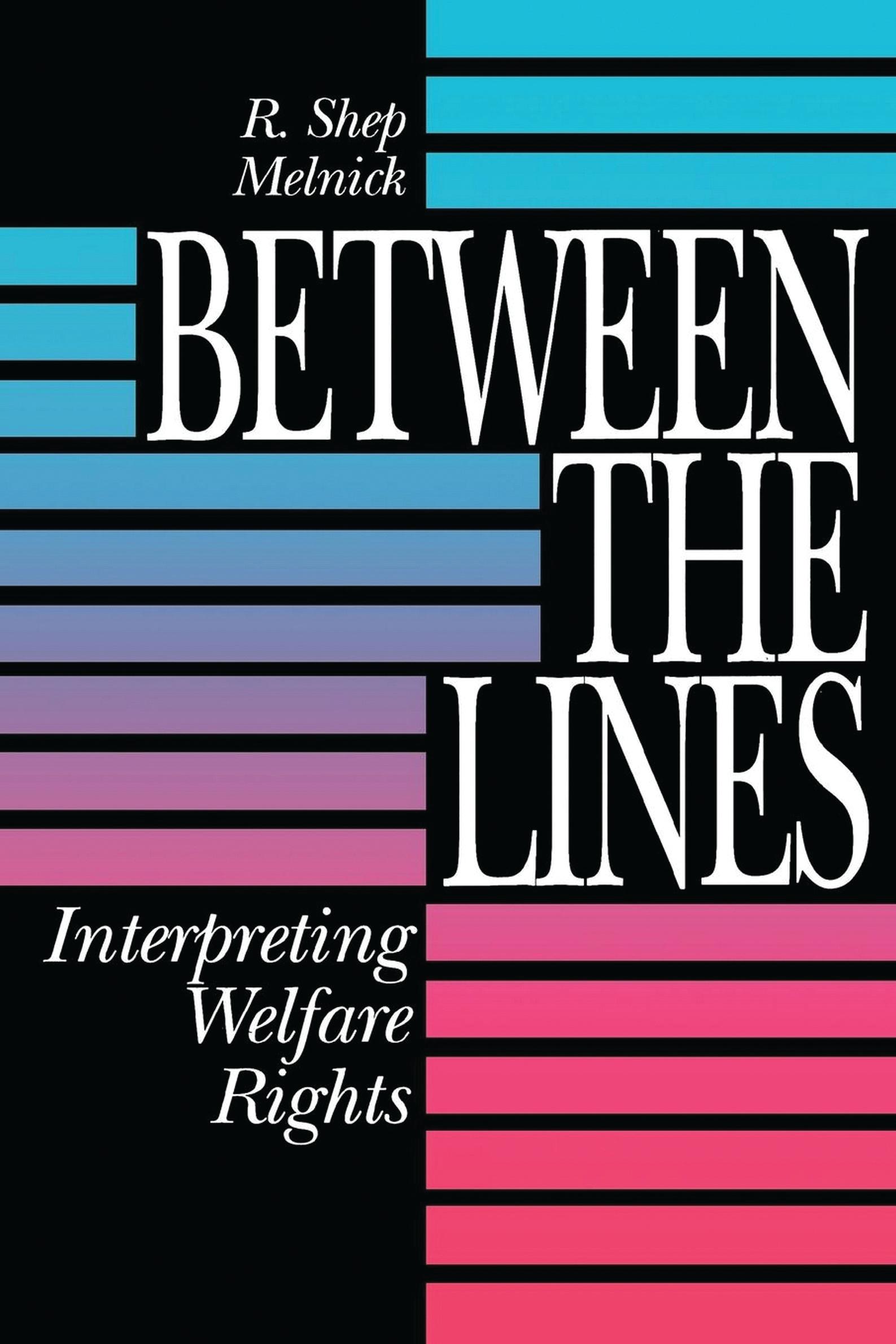
Judicial interpretation of federal statutes has often been at the center of political controversy in recent years. In fact, it would be difficult to find a major domestic policy area in which statutory interpretation by the federal courts has not played a significant role in shaping the activities of government. In most important cases, judges base their interpretation not on the letter of the law, but on their reading of its history, purpose, and spirit. What judges discover between the lines of statutes often has major policy consequences.
This book examines how statutory interpretation has affected the development of three programs: Aid to Families with Dependent Children, education for the handicapped, and food stamps. It explores how these decisions have changed state and national policies and how other institutionsespecially Congresshave reacted to them. Although these three programs differ in several important ways, in each instance court action has expanded program benefits and increased federal control over state and local governments.
R. Shep Melnick ties trends in statutory interpretation to broader policy developments, including the expansion of the agenda of national government, the persistence of divided government, and the resurgence and decentralization of Congress. He demonstrates that Congress frequently modifies or overturns court rulings, and he explains why statutory interpretation became so controversial in the 1980s.
Between the Lines also explores the understanding of welfare rights that has guided the development of welfare policy over the past fifty years. What basic beliefs about the welfare state underlie court decisions interpreting these statutes? To what extent do members of Congress share these views? How have the assumptions of judges and members of Congress changed over time? These are some of the questions addressed in this detailed study of American welfare policy.
This book examines how statutory interpretation has affected the development of three programs: Aid to Families with Dependent Children, education for the handicapped, and food stamps. It explores how these decisions have changed state and national policies and how other institutionsespecially Congresshave reacted to them. Although these three programs differ in several important ways, in each instance court action has expanded program benefits and increased federal control over state and local governments.
R. Shep Melnick ties trends in statutory interpretation to broader policy developments, including the expansion of the agenda of national government, the persistence of divided government, and the resurgence and decentralization of Congress. He demonstrates that Congress frequently modifies or overturns court rulings, and he explains why statutory interpretation became so controversial in the 1980s.
Between the Lines also explores the understanding of welfare rights that has guided the development of welfare policy over the past fifty years. What basic beliefs about the welfare state underlie court decisions interpreting these statutes? To what extent do members of Congress share these views? How have the assumptions of judges and members of Congress changed over time? These are some of the questions addressed in this detailed study of American welfare policy.
Pagina's: 358
Categorie: Statsvetenskap & Politik
e-ISBN: 9780815705543
Verzendgewicht: 1.2 kg
Verzending binnen: 1-2 dagen
Betaal eenvoudig met kaart, Klarna, Apple Pay of Google Pay. Niet tevreden? Je hebt altijd 14 dagen bedenktijd. Lees meer in onze voorwaarden. Heb je vragen, mail ons dan via hello@memmo.org.
Memmo maakt studeren makkelijker – waar je ook bent ter wereld. Wij brengen je cursusboeken en slimme studietools samen op één plek: samenvattingen, quizzen, podcasts en flashcards. En Ted, je studievriend die antwoord geeft op alles wat je je afvraagt. Meer dan 50.000 studenten studeren hier al – gebouwd om je sneller te laten leren en minder stress te geven.