
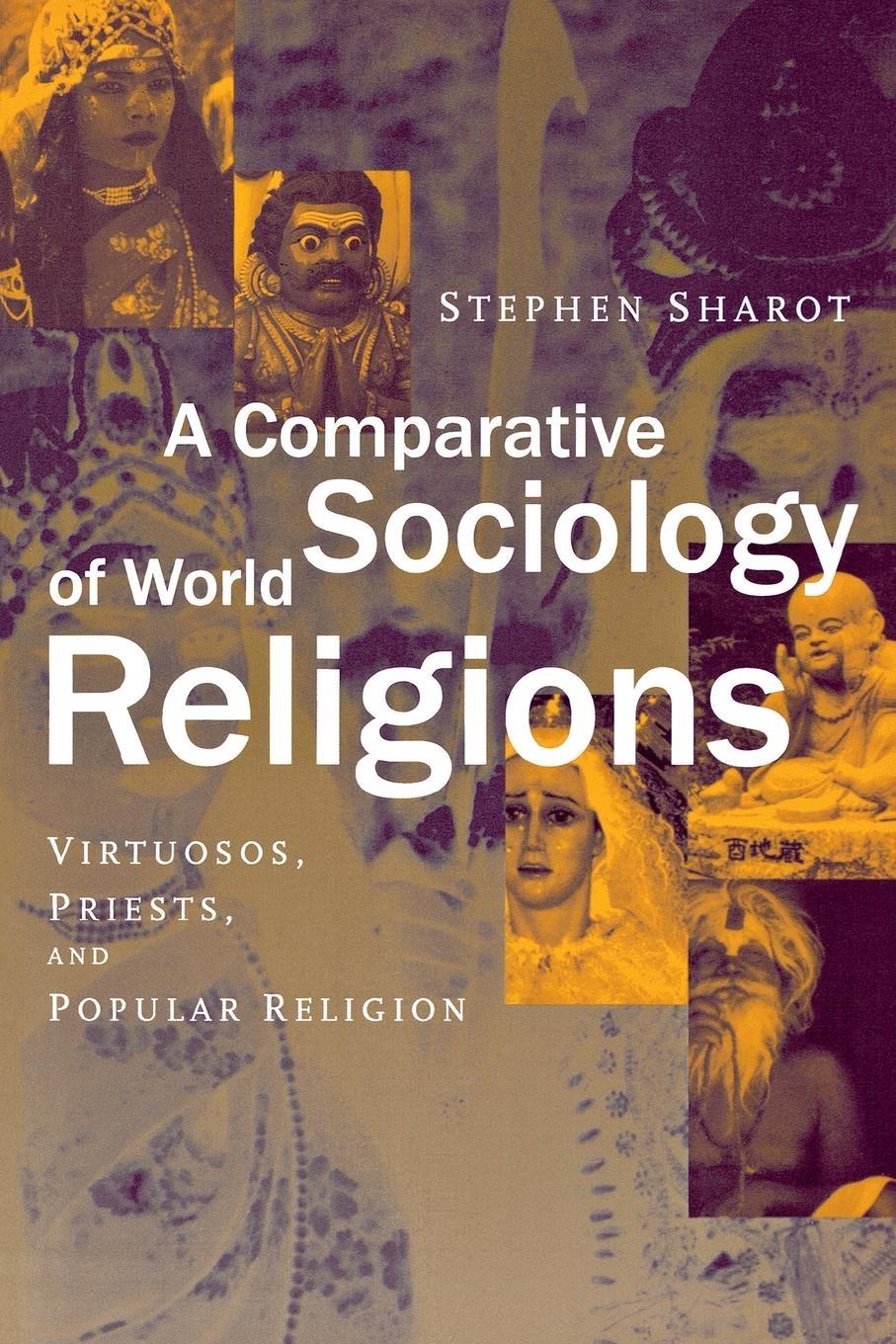
A Sociology of World Religions presents a comparative analysis of the world's religions, focusing on the differences and interrelationships between religious elites and lay masses. In each case the volume contextualizes how the relationships between these two religious forms fit within, and are influenced by, the wider socio-political environment.
After introducing the book's major themes, the volume introduces and builds upon an analysis of Weber's model of religious action, drawing on Durkheim, Marxist scholars, and the work of contemporary sociologists and anthropolgists. The following chapters each focus on major religious cultures, including Hinduism, Buddhism, Catholicism, Protestantism, Islam, Judaism, and the religions of China and Japan. This ambitious project is the first to offer a comparison of the popular, or folk, forms of religion around the world.
Sharot's accessible introductions to each of the world religions, synthesizing a vast literature on popular religion from sociology, anthropology, and historians of religion, make the project ideal for course use. His comparative approach and original analyses will prove rewarding even for experts on each of the world religions.
Betaal eenvoudig met kaart, Klarna, Apple Pay of Google Pay. Niet tevreden? Je hebt altijd 14 dagen bedenktijd. Lees meer in onze voorwaarden. Heb je vragen, mail ons dan via hello@memmo.org.
Memmo maakt studeren makkelijker – waar je ook bent ter wereld. Wij brengen je cursusboeken en slimme studietools samen op één plek: samenvattingen, quizzen, podcasts en flashcards. En Ted, je studievriend die antwoord geeft op alles wat je je afvraagt. Meer dan 50.000 studenten studeren hier al – gebouwd om je sneller te laten leren en minder stress te geven.