
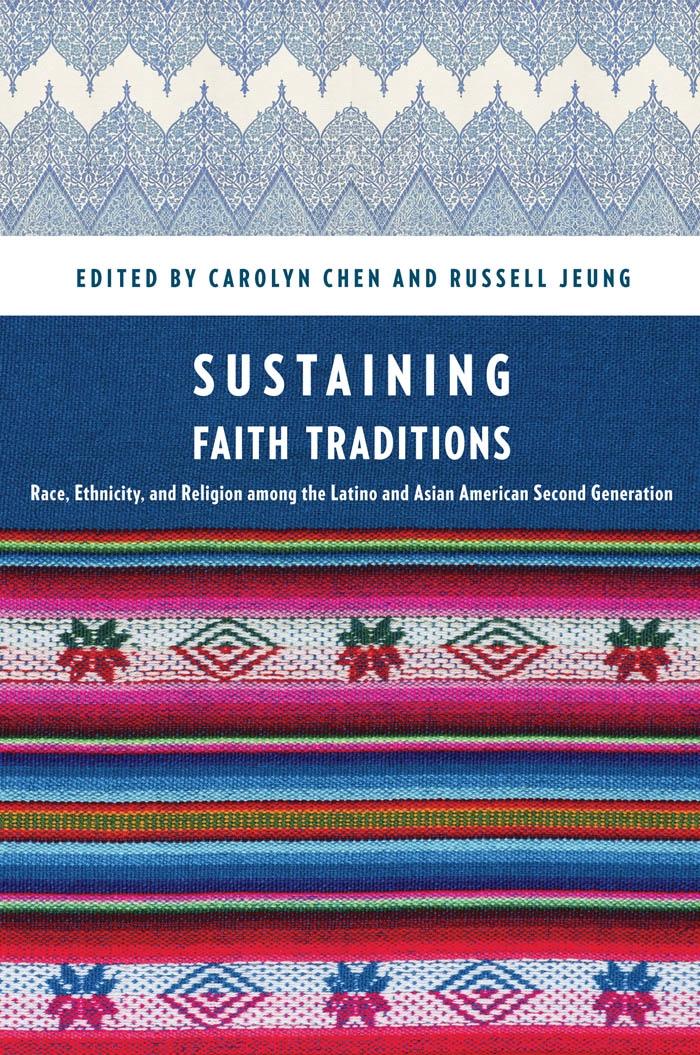
Over fifty years ago, Will Herberg theorized that future immigrants to the United States would no longer identify themselves through their races or ethnicities, or through the languages and cultures of their home countries. Rather, modern immigrants would base their identities on their religions.
The landscape of U.S. immigration has changed dramatically since Herberg first published his theory. Most of today’s immigrants are Asian or Latino, and are thus unable to shed their racial and ethnic identities as rapidly as the Europeans about whom Herberg wrote. And rather than a flexible, labor-based economy hungry for more workers, today’s immigrants find themselves in a post-industrial segmented economy that allows little in the way of class mobility.
In this comprehensive anthology contributors draw on ethnography and in-depth interviews to examine the experiences of the new second generation: the children of Asian and Latino immigrants. Covering a diversity of second-generation religious communities including Christians, Hindus, Buddhists, Muslims, and Jews, the contributors highlight the ways in which race, ethnicity, and religion intersect for new Americans. As the new second generation of Latinos and Asian Americans comes of age, they will not only shape American race relations, but also the face of American religion.
Betaal eenvoudig met kaart, Klarna, Apple Pay of Google Pay. Niet tevreden? Je hebt altijd 14 dagen bedenktijd. Lees meer in onze voorwaarden. Heb je vragen, mail ons dan via hello@memmo.org.
Memmo maakt studeren makkelijker – waar je ook bent ter wereld. Wij brengen je cursusboeken en slimme studietools samen op één plek: samenvattingen, quizzen, podcasts en flashcards. En Ted, je studievriend die antwoord geeft op alles wat je je afvraagt. Meer dan 50.000 studenten studeren hier al – gebouwd om je sneller te laten leren en minder stress te geven.