
The incredible true story of a blind musician, a brutal crime, and the making of an American folk legend
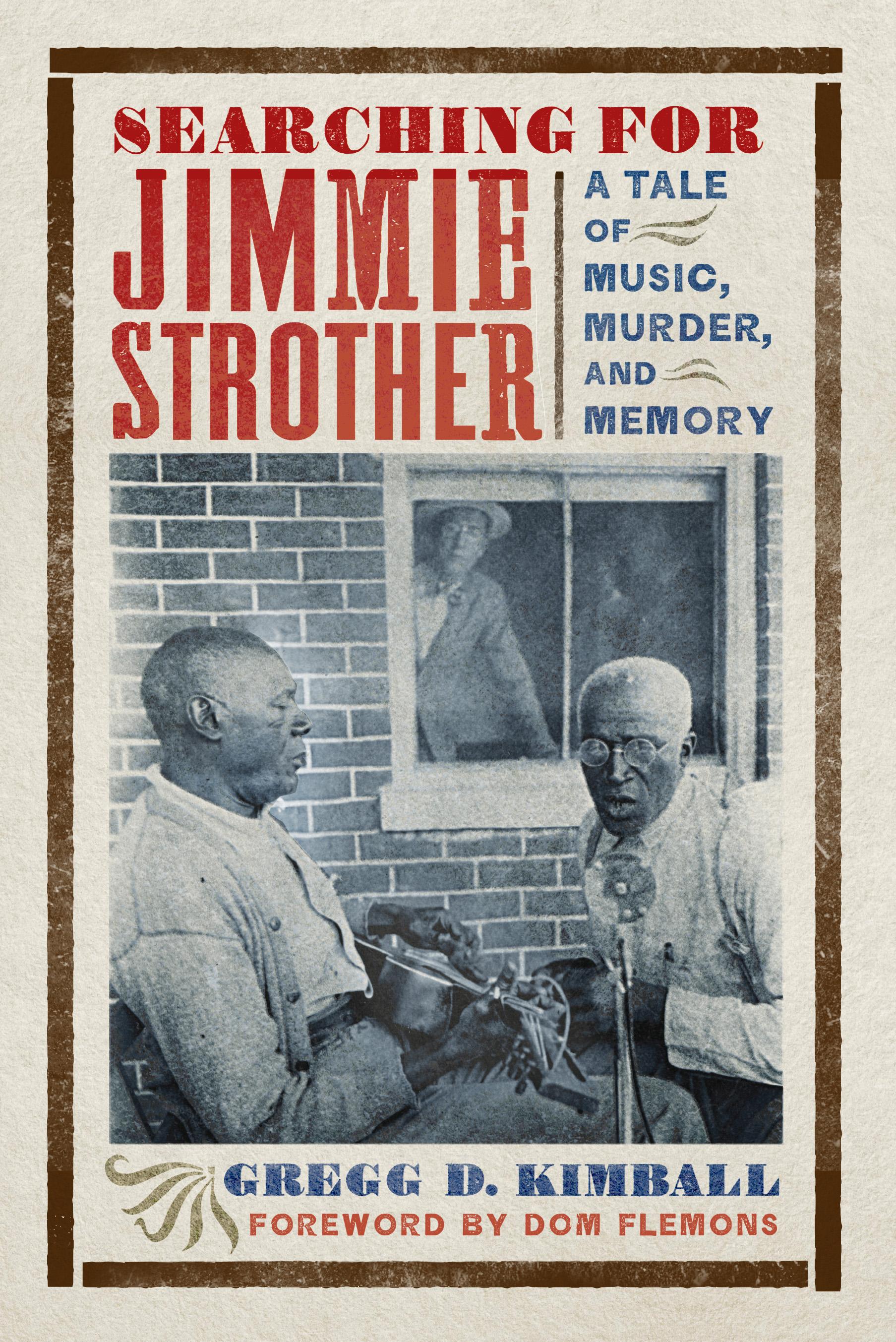
In June 1936 James Lee Strother performed thirteen songs at the Virginia State Prison Farm for famed folklorist John Lomax and the Library of Congress. Rooted in the rich soil of the Piedmont region, Strother’s repertoire epitomized the Black songsters who defy easy classification. Blinded in a steel mill explosion, which only intensified his drive to connect to the world through song, Strother drew on old spirituals and country breakdowns as readily as he explored emerging genres like blues and ragtime. Biographer Gregg Kimball revives this elusive but singular talent and the creative and historical worlds in which his dramatic life unfolded.
Myths surround Strother but, as Kimball reveals, the facts of Strother’s life are just as compelling as the fanciful embellishments proffered by early folklorists. Musician, murderer, and beloved family member—Strother somehow played each of these roles, and more. And while the songster’s comedic ditties, spirituals, and blues tunes reached a wide range of listeners (and were later covered by musicians like Pete Seeger and Jefferson Airplane), they carried a dark undercurrent that spoke directly to the experiences of Black Americans: sundown towns, Jim Crow segregation, and labor exploitation. As Kimball shows, Strother’s powerful songs and remarkable, tumultuous life continue to influence and remain deeply relevant to American culture to this day.
In June 1936 James Lee Strother performed thirteen songs at the Virginia State Prison Farm for famed folklorist John Lomax and the Library of Congress. Rooted in the rich soil of the Piedmont region, Strother’s repertoire epitomized the Black songsters who defy easy classification. Blinded in a steel mill explosion, which only intensified his drive to connect to the world through song, Strother drew on old spirituals and country breakdowns as readily as he explored emerging genres like blues and ragtime. Biographer Gregg Kimball revives this elusive but singular talent and the creative and historical worlds in which his dramatic life unfolded.
Myths surround Strother but, as Kimball reveals, the facts of Strother’s life are just as compelling as the fanciful embellishments proffered by early folklorists. Musician, murderer, and beloved family member—Strother somehow played each of these roles, and more. And while the songster’s comedic ditties, spirituals, and blues tunes reached a wide range of listeners (and were later covered by musicians like Pete Seeger and Jefferson Airplane), they carried a dark undercurrent that spoke directly to the experiences of Black Americans: sundown towns, Jim Crow segregation, and labor exploitation. As Kimball shows, Strother’s powerful songs and remarkable, tumultuous life continue to influence and remain deeply relevant to American culture to this day.
Pagina's: 306
Categorie: Biografi & Memoarer
e-ISBN: 9780813952321
Verzendgewicht: 1.2 kg
Verzending binnen: 1-2 dagen
Betaal eenvoudig met kaart, Klarna, Apple Pay of Google Pay. Niet tevreden? Je hebt altijd 14 dagen bedenktijd. Lees meer in onze voorwaarden. Heb je vragen, mail ons dan via hello@memmo.org.
Memmo maakt studeren makkelijker – waar je ook bent ter wereld. Wij brengen je cursusboeken en slimme studietools samen op één plek: samenvattingen, quizzen, podcasts en flashcards. En Ted, je studievriend die antwoord geeft op alles wat je je afvraagt. Meer dan 50.000 studenten studeren hier al – gebouwd om je sneller te laten leren en minder stress te geven.
Misschien vind je dit ook leuk
Koop het boek0