
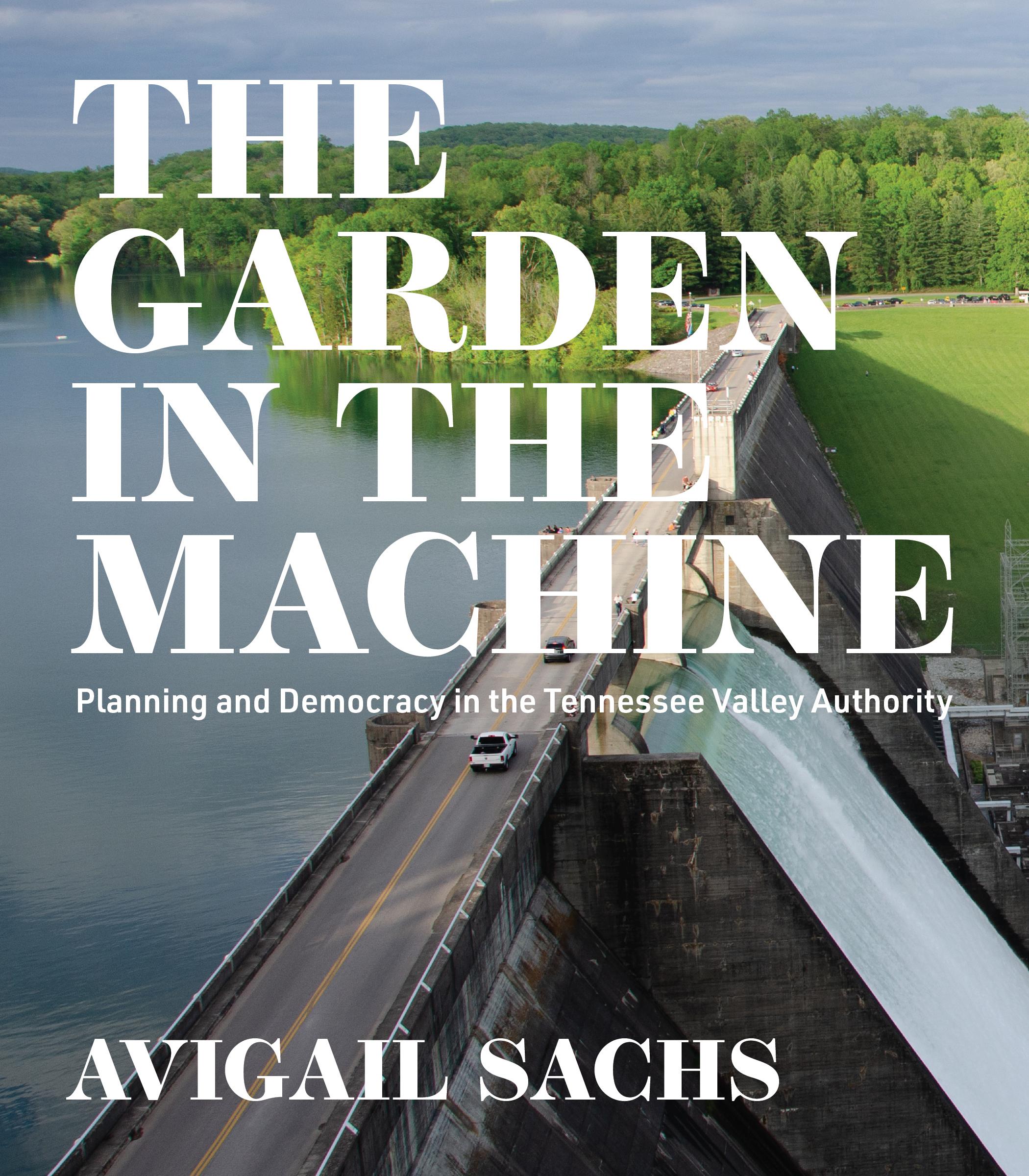
The Tennessee Valley Authority was the largest single agency created under the auspices of the New Deal legislation. Until 1933, when the project was initiated, the Tennessee Valley was known romantically as "a region of untapped potential" and, less romantically, as one of the most impoverished and isolated areas of the country. The TVA was responsible for three large-scale environmental projects–the river, land, and power machines–but the project also had social, even utopian, goals. In service to the latter, the TVA put together a cadre of regional planners, architects, and landscape architects that Avigail Sachs calls the "atelier TVA." These professionals contributed to the design of the system of multipurpose dams, arranged visitor centers and scenic routes, built housing and communities (although both were segregated), and instigated a regional recreation industry. In addition to its planning and design history audience, this volume will be of interest to environmental historians and historians of the Progressive Era.
Publication of this volume was assisted by a grant from Furthermore: a program of the J. M. Kaplan Fund.
Betaal eenvoudig met kaart, Klarna, Apple Pay of Google Pay. Niet tevreden? Je hebt altijd 14 dagen bedenktijd. Lees meer in onze voorwaarden. Heb je vragen, mail ons dan via hello@memmo.org.
Memmo maakt studeren makkelijker – waar je ook bent ter wereld. Wij brengen je cursusboeken en slimme studietools samen op één plek: samenvattingen, quizzen, podcasts en flashcards. En Ted, je studievriend die antwoord geeft op alles wat je je afvraagt. Meer dan 50.000 studenten studeren hier al – gebouwd om je sneller te laten leren en minder stress te geven.