
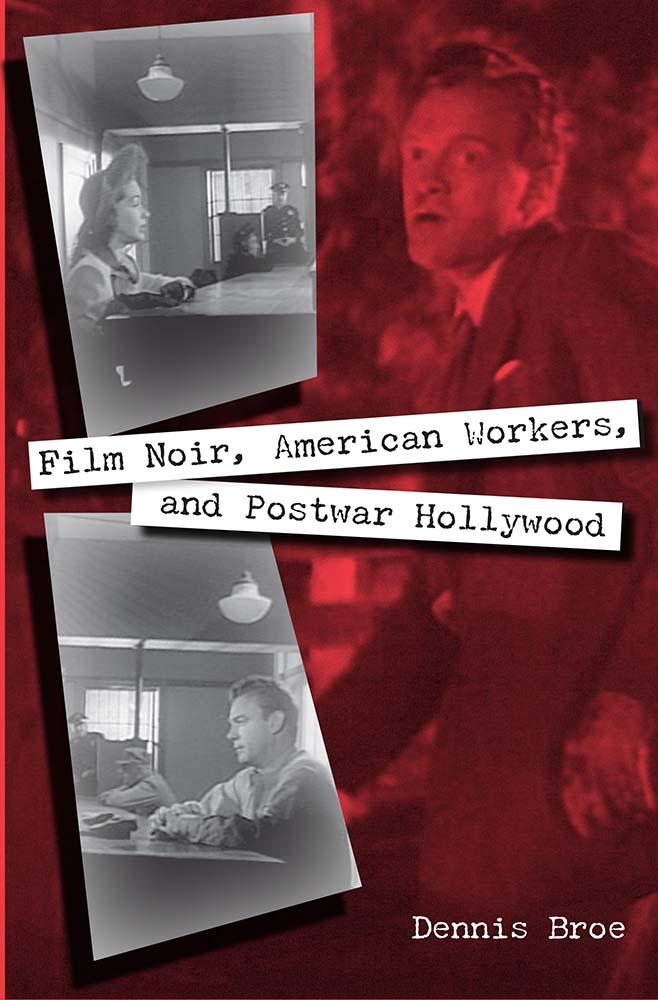
Film noir, which flourished in 1940s and 50s, reflected the struggles and sentiments of postwar America. Dennis Broe contends that the genre, with its emphasis on dark subject matter, paralleled the class conflict in labor and union movements that dominated the period.
By following the evolution of film noir during the years following World War II, Broe illustrates how the noir figure represents labor as a whole. In the 1940s, both radicalized union members and protagonists of noir films were hunted and pursued by the law. Later, as labor unions achieve broad acceptance and respectability, the central noir figure shifts from fugitive criminal to law-abiding cop.
Expanding his investigation into the Cold War and post-9/11 America, Broe extends his analysis of the ways film noir is intimately connected to labor history. A brilliant, interdisciplinary examination, this is a work that will appeal to a broad spectrum of readers.
Betaal eenvoudig met kaart, Klarna, Apple Pay of Google Pay. Niet tevreden? Je hebt altijd 14 dagen bedenktijd. Lees meer in onze voorwaarden. Heb je vragen, mail ons dan via hello@memmo.org.
Memmo maakt studeren makkelijker – waar je ook bent ter wereld. Wij brengen je cursusboeken en slimme studietools samen op één plek: samenvattingen, quizzen, podcasts en flashcards. En Ted, je studievriend die antwoord geeft op alles wat je je afvraagt. Meer dan 50.000 studenten studeren hier al – gebouwd om je sneller te laten leren en minder stress te geven.