
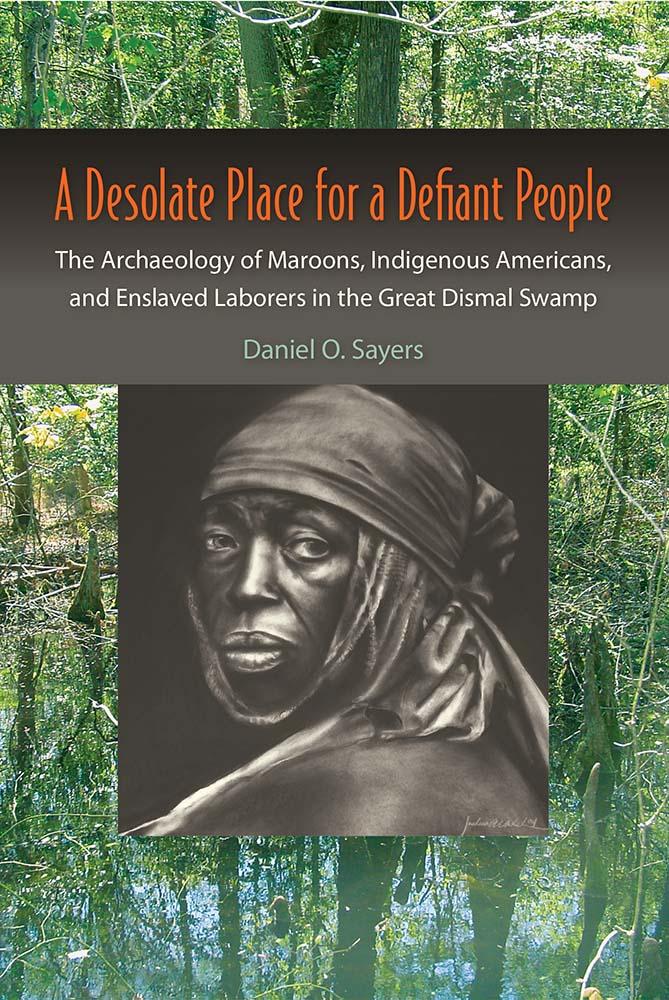
In the 250 years before the Civil War, the Great Dismal Swamp of Virginia and North Carolina was a brutal landscape—2,000 square miles of undeveloped and unforgiving wetlands, peat bogs, impenetrable foliage, and dangerous creatures. It was also a protective refuge for marginalized communities, including Native Americans, African-American maroons, free African Americans, and outcast Europeans. Here they created their own way of life, free of the exploitation and alienation they had escaped.
In the first thorough examination of this vital site, Daniel Sayers examines the area’s archaeological record, exposing and unraveling the complex social and economic systems developed by these defiant communities that thrived on the periphery. He develops an analytical framework based on the complex interplay between alienation, diasporic exile, uneven geographical development, and modes of production to argue that colonialism and slavery inevitably created sustained critiques of American capitalism.
Betaal eenvoudig met kaart, Klarna, Apple Pay of Google Pay. Niet tevreden? Je hebt altijd 14 dagen bedenktijd. Lees meer in onze voorwaarden. Heb je vragen, mail ons dan via hello@memmo.org.
Memmo maakt studeren makkelijker – waar je ook bent ter wereld. Wij brengen je cursusboeken en slimme studietools samen op één plek: samenvattingen, quizzen, podcasts en flashcards. En Ted, je studievriend die antwoord geeft op alles wat je je afvraagt. Meer dan 50.000 studenten studeren hier al – gebouwd om je sneller te laten leren en minder stress te geven.