
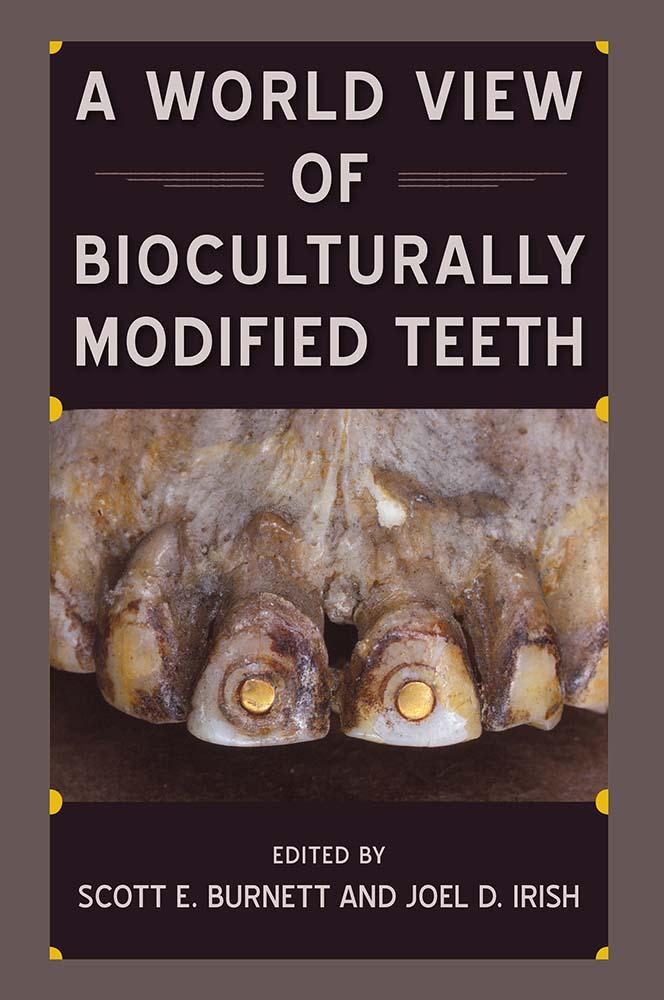
Tooth modification is the longest-lasting type of body modification and the most widespread in the archaeological record. It has been practiced throughout many time periods and on every occupied continent and conveys information about individual people, their societies, and their relationships to others. This necessary volume presents the wide spectrum of intentional dental modification in humans across the globe over the past 16,000 years.
These essays draw on research from the Americas, Africa, Asia, Oceania, and Europe. Through archaeological studies, historical and ethnographic sources, and observations of contemporary people, contributors examine instances of tooth filing, notching, inlays, dyeing, and removal. They discuss how to distinguish between these purposeful modifications of teeth and normal wear and tear or disease while demonstrating what patterns of tooth modification can reveal about people and their cultures in the past and present.
A volume in the series Bioarchaeological Interpretations of the Human Past: Local, Regional, and Global Perspectives, edited by Clark Spencer LarsenBetaal eenvoudig met kaart, Klarna, Apple Pay of Google Pay. Niet tevreden? Je hebt altijd 14 dagen bedenktijd. Lees meer in onze voorwaarden. Heb je vragen, mail ons dan via hello@memmo.org.
Memmo maakt studeren makkelijker – waar je ook bent ter wereld. Wij brengen je cursusboeken en slimme studietools samen op één plek: samenvattingen, quizzen, podcasts en flashcards. En Ted, je studievriend die antwoord geeft op alles wat je je afvraagt. Meer dan 50.000 studenten studeren hier al – gebouwd om je sneller te laten leren en minder stress te geven.