
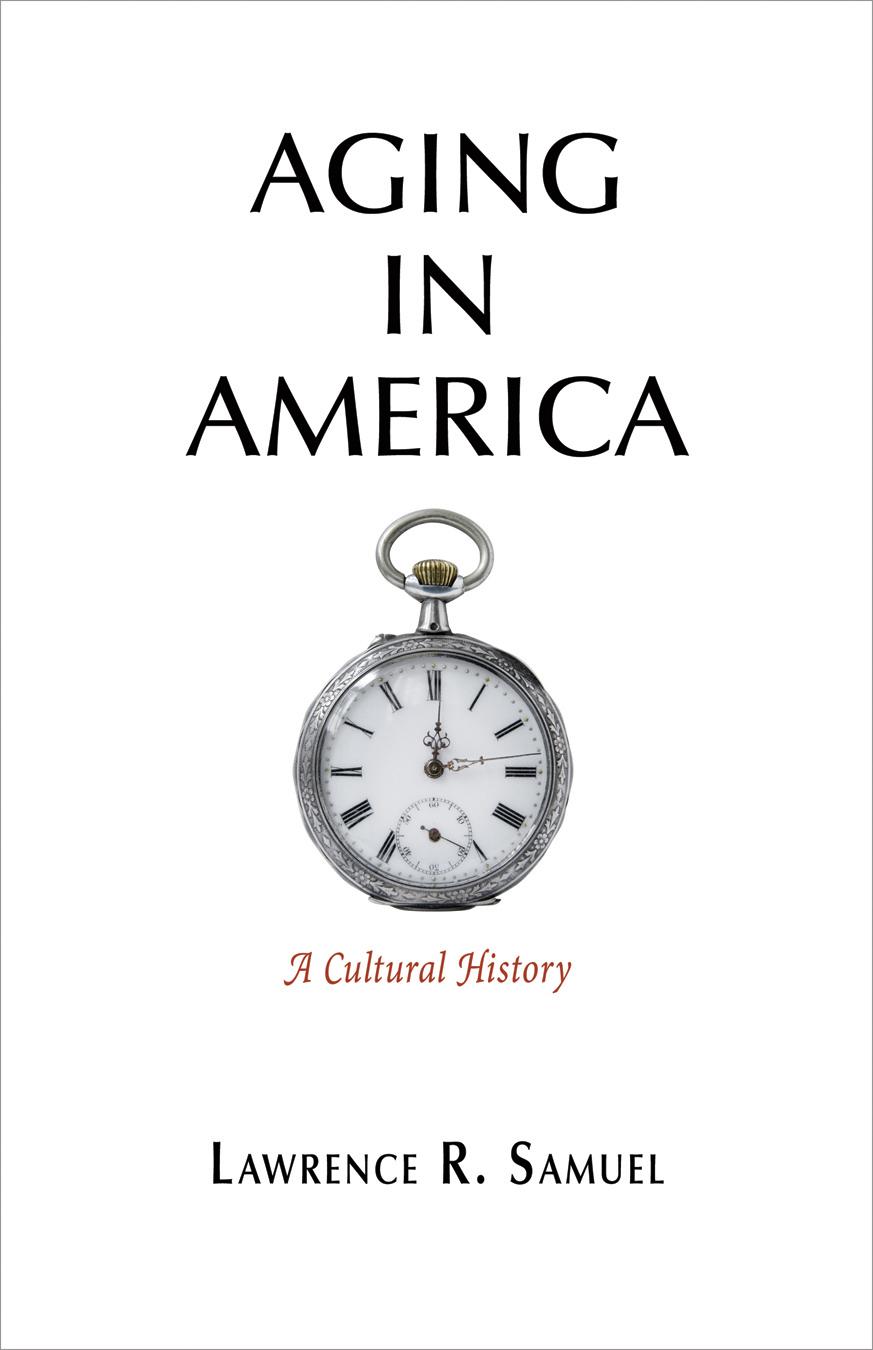
Aging is a preoccupation shared by beauty bloggers, serious journalists, scientists, doctors, celebrities—arguably all of adult America, given the pervasiveness of the crusade against it in popular culture and the media. We take our youth-oriented culture as a given but, as Lawrence R. Samuel argues, this was not always the case. Old age was revered in early America, in part because it was so rare. Indeed, it was not until the 1960s, according to Samuel, that the story of aging in America became the one we are most familiar with today: aging is a disease that science will one day cure, and in the meantime, signs of aging should be prevented, masked, and treated as a source of shame.
By tracing the story of aging in the United States over the course of the last half century, Samuel vividly demonstrates the ways in which getting older tangibly contradicts the prevailing social values and attitudes of our youth-obsessed culture. As a result, tens of millions of adults approaching their sixties and seventies in this decade do not know how to age, as they were never prepared to do so.
Despite recent trends that suggest a more positive outlook, getting old is still viewed in terms of physical and cognitive decline, resulting in discrimination in the workplace and marginalization in social life. Samuels concludes Aging in America by exhorting his fellow baby boomers to use their economic clout and sheer numbers to change the narrative of aging in America.
Betaal eenvoudig met kaart, Klarna, Apple Pay of Google Pay. Niet tevreden? Je hebt altijd 14 dagen bedenktijd. Lees meer in onze voorwaarden. Heb je vragen, mail ons dan via hello@memmo.org.
Memmo maakt studeren makkelijker – waar je ook bent ter wereld. Wij brengen je cursusboeken en slimme studietools samen op één plek: samenvattingen, quizzen, podcasts en flashcards. En Ted, je studievriend die antwoord geeft op alles wat je je afvraagt. Meer dan 50.000 studenten studeren hier al – gebouwd om je sneller te laten leren en minder stress te geven.