
Scholarship of literature and the environment demonstrates myriad understandings of nature and culture. While some work in the field results in approaches that belong in the realm of cultural studies, other scholars have expanded the boundaries of ecocriticism to connect the practice more explicitly to disciplines such as the biological sciences, human geography, or philosophy. Even so, the field of ecocriticism has yet to clearly articulate its interdisciplinary and transdisciplinary nature.
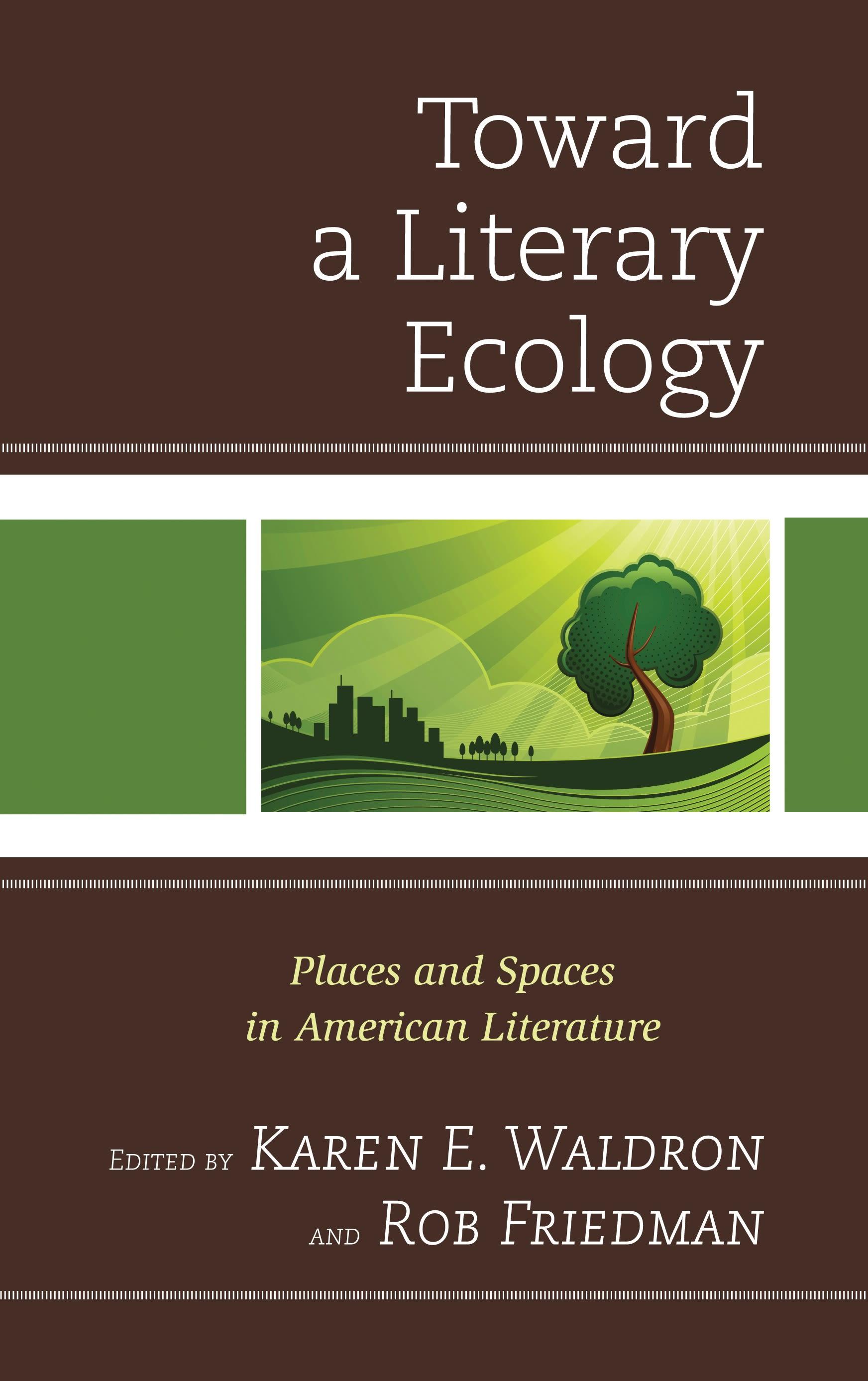
In Toward a Literary Ecology: Places and Spaces in American Literature,editors Karen E. Waldron and Robert Friedman have assembled a collection of essays that study the interconnections between literature and the environment to theorize literary ecology. The disciplinary perspectives in these essays allow readers to comprehend places and environments and to represent, express, or strive for that comprehension through literature. Contributors to this volume explore the works of several authors, including Gary Snyder, Karen Tei Yamashita, Rachel Carson, Terry Tempest Williams, Chip Ward, and Mary Oliver. Other essays discuss such topics as urban fiction as a model of literary ecology, the geographies of belonging in the work of Native American poets, and the literary ecology of place in “new” nature writing.
Investigating texts for the complex interconnections they represent, Toward a Literary Ecology suggests what such texts might teach us about the interconnections of our own world.
This volume also offers a means of analyzing representations of people in places within the realm of an historical, cultural, and geographically bounded yet diverse American literature. Intended for students of literature and ecology, this collection will also appeal to scholars of geography, cultural studies, philosophy, biology, history, anthropology, and other related disciplines.
In Toward a Literary Ecology: Places and Spaces in American Literature,editors Karen E. Waldron and Robert Friedman have assembled a collection of essays that study the interconnections between literature and the environment to theorize literary ecology. The disciplinary perspectives in these essays allow readers to comprehend places and environments and to represent, express, or strive for that comprehension through literature. Contributors to this volume explore the works of several authors, including Gary Snyder, Karen Tei Yamashita, Rachel Carson, Terry Tempest Williams, Chip Ward, and Mary Oliver. Other essays discuss such topics as urban fiction as a model of literary ecology, the geographies of belonging in the work of Native American poets, and the literary ecology of place in “new” nature writing.
Investigating texts for the complex interconnections they represent, Toward a Literary Ecology suggests what such texts might teach us about the interconnections of our own world.
This volume also offers a means of analyzing representations of people in places within the realm of an historical, cultural, and geographically bounded yet diverse American literature. Intended for students of literature and ecology, this collection will also appeal to scholars of geography, cultural studies, philosophy, biology, history, anthropology, and other related disciplines.
Betaal eenvoudig met kaart, Klarna, Apple Pay of Google Pay. Niet tevreden? Je hebt altijd 14 dagen bedenktijd. Lees meer in onze voorwaarden. Heb je vragen, mail ons dan via hello@memmo.org.
Memmo maakt studeren makkelijker – waar je ook bent ter wereld. Wij brengen je cursusboeken en slimme studietools samen op één plek: samenvattingen, quizzen, podcasts en flashcards. En Ted, je studievriend die antwoord geeft op alles wat je je afvraagt. Meer dan 50.000 studenten studeren hier al – gebouwd om je sneller te laten leren en minder stress te geven.