
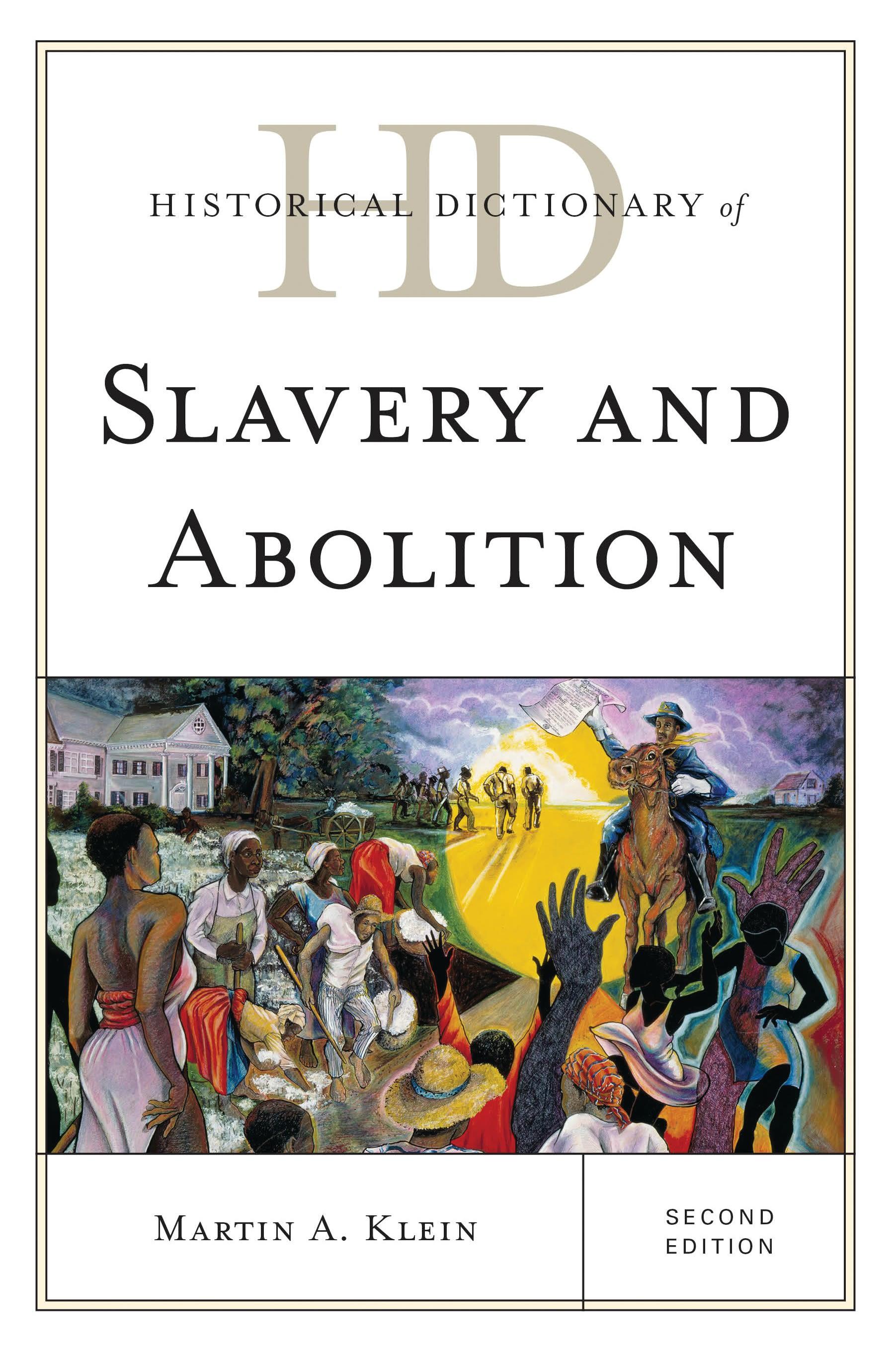
For almost four thousand years, men and women with power have exploited vulnerable populations for cheap or free labor. These slaves, serfs, helots, tenants, peons, bonded or forced laborers, etc., built pyramids and temples, dug canals and mined the earth for precious metals and gemstones. They built the palaces and mansions in which the powerful lived, grown the food they ate, spun the cloth that clothed them.
This second edition of Historical Dictionary of Slavery and Abolition relates the long and brutal history of slavery and the struggle for abolition using several key features:
Chronology Introductory essayAppendixesExtensive bibliographyOver 500 cross-referenced entries on forms of slavery, famous slaves and abolitionists, sources of slaves, and current conditions of modern slavery around the world
This book is an excellent access point for students, researchers, and anyone wanting to know more about slavery and abolition.
This second edition of Historical Dictionary of Slavery and Abolition relates the long and brutal history of slavery and the struggle for abolition using several key features:
Chronology Introductory essayAppendixesExtensive bibliographyOver 500 cross-referenced entries on forms of slavery, famous slaves and abolitionists, sources of slaves, and current conditions of modern slavery around the world
This book is an excellent access point for students, researchers, and anyone wanting to know more about slavery and abolition.
Betaal eenvoudig met kaart, Klarna, Apple Pay of Google Pay. Niet tevreden? Je hebt altijd 14 dagen bedenktijd. Lees meer in onze voorwaarden. Heb je vragen, mail ons dan via hello@memmo.org.
Memmo maakt studeren makkelijker – waar je ook bent ter wereld. Wij brengen je cursusboeken en slimme studietools samen op één plek: samenvattingen, quizzen, podcasts en flashcards. En Ted, je studievriend die antwoord geeft op alles wat je je afvraagt. Meer dan 50.000 studenten studeren hier al – gebouwd om je sneller te laten leren en minder stress te geven.