
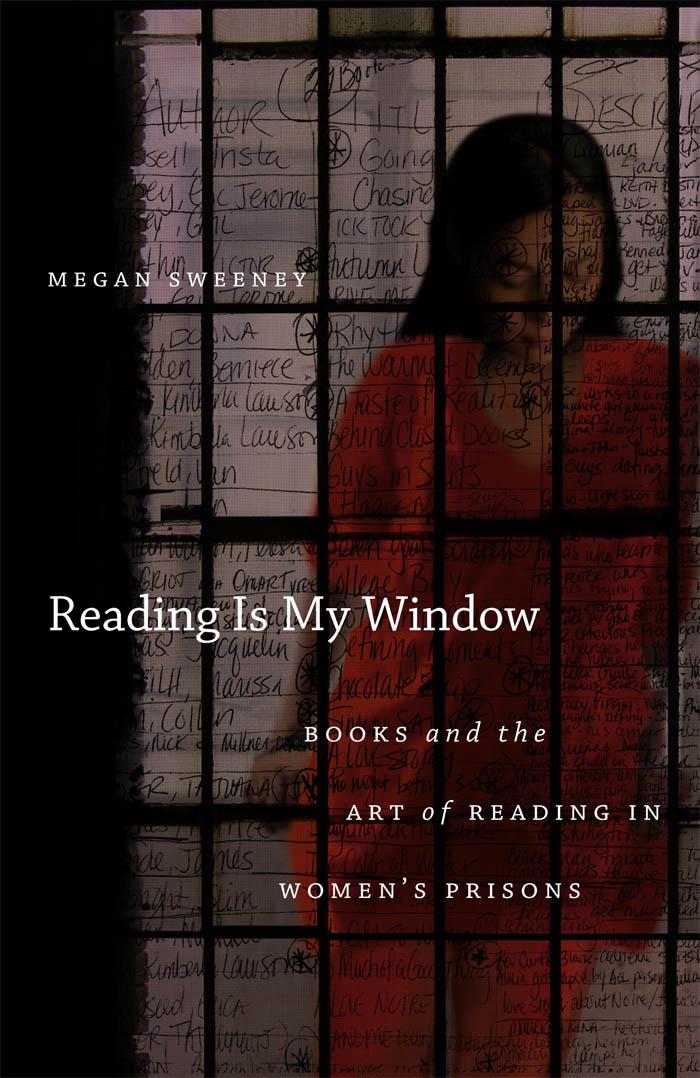
Drawing on extensive interviews with ninety-four women prisoners, Megan Sweeney examines how incarcerated women use available reading materials to come to terms with their pasts, negotiate their present experiences, and reach toward different futures.
Foregrounding the voices of African American women, Sweeney analyzes how prisoners read three popular genres: narratives of victimization, urban crime fiction, and self-help books. She outlines the history of reading and education in U.S. prisons, highlighting how the increasing dehumanization of prisoners has resulted in diminished prison libraries and restricted opportunities for reading. Although penal officials have sometimes endorsed reading as a means to control prisoners, Sweeney illuminates the resourceful ways in which prisoners educate and empower themselves through reading. Given the scarcity of counseling and education in prisons, women use books to make meaning from their experiences, to gain guidance and support, to experiment with new ways of being, and to maintain connections with the world.
Betaal eenvoudig met kaart, Klarna, Apple Pay of Google Pay. Niet tevreden? Je hebt altijd 14 dagen bedenktijd. Lees meer in onze voorwaarden. Heb je vragen, mail ons dan via hello@memmo.org.
Memmo maakt studeren makkelijker – waar je ook bent ter wereld. Wij brengen je cursusboeken en slimme studietools samen op één plek: samenvattingen, quizzen, podcasts en flashcards. En Ted, je studievriend die antwoord geeft op alles wat je je afvraagt. Meer dan 50.000 studenten studeren hier al – gebouwd om je sneller te laten leren en minder stress te geven.