
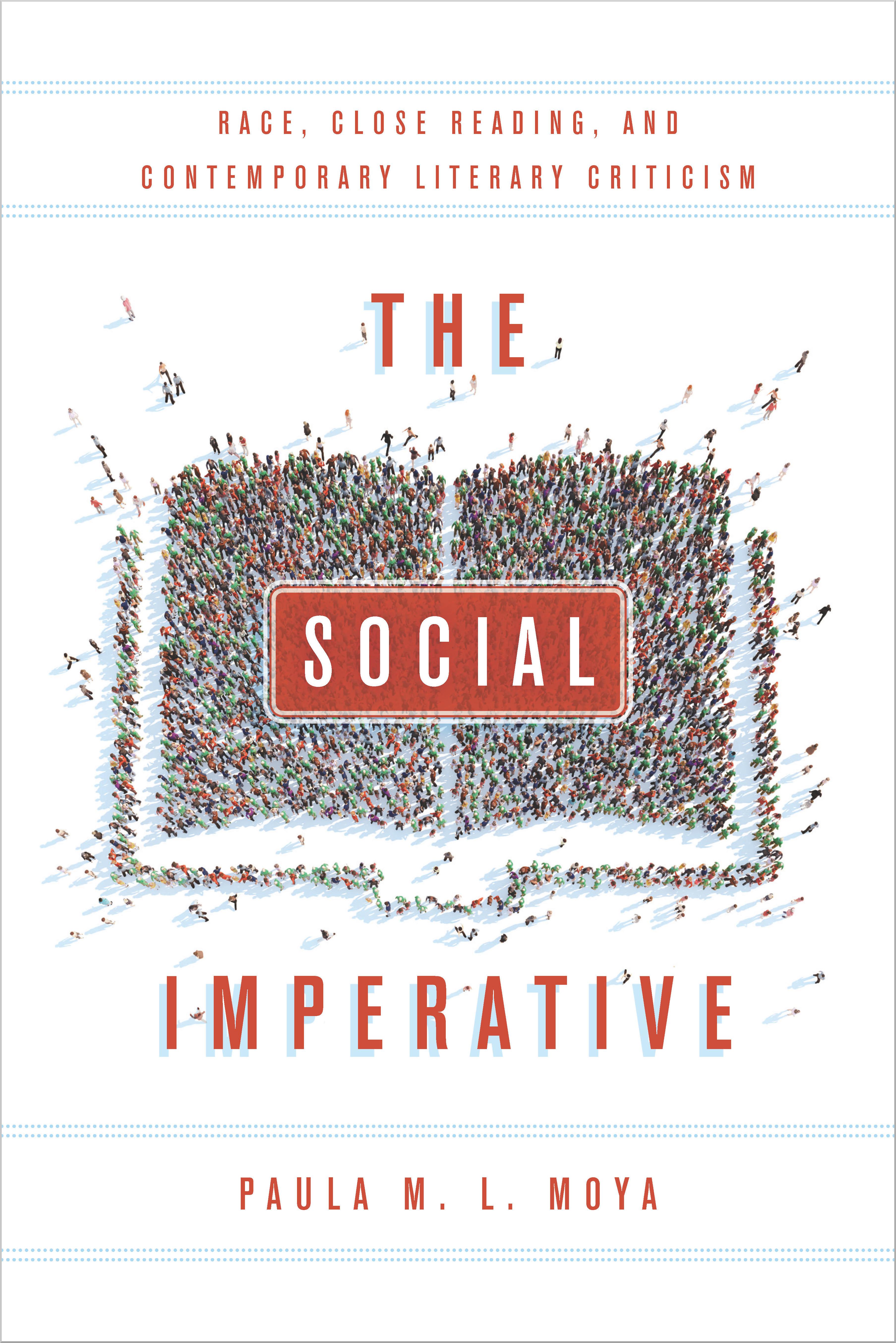
In the context of the ongoing crisis in literary criticism, The Social Imperative reminds us that while literature will never by itself change the world, it remains a powerful tool and important actor in the ongoing struggle to imagine better ways to be human and free. Figuring the relationship between reader and text as a type of friendship, the book elaborates the social-psychological concept of schema to show that our multiple social contexts affect what we perceive and how we feel when we read. Championing and modeling a kind of close reading that attends to how literature reflects, promotes, and contests pervasive sociocultural ideas about race, ethnicity, gender, and sexuality, Paula M. L. Moya demonstrates the power of works of literature by writers such as Junot Diaz, Toni Morrison, and Helena Maria Viramontes to alter perceptions and reshape cultural imaginaries. Insofar as literary fiction is a unique form of engagement with weighty social problems, it matters not only which specific works of literature we read and teach, but also how we read them, and with whom. This is what constitutes the social imperative of literature.
Betaal eenvoudig met kaart, Klarna, Apple Pay of Google Pay. Niet tevreden? Je hebt altijd 14 dagen bedenktijd. Lees meer in onze voorwaarden. Heb je vragen, mail ons dan via hello@memmo.org.
Memmo maakt studeren makkelijker – waar je ook bent ter wereld. Wij brengen je cursusboeken en slimme studietools samen op één plek: samenvattingen, quizzen, podcasts en flashcards. En Ted, je studievriend die antwoord geeft op alles wat je je afvraagt. Meer dan 50.000 studenten studeren hier al – gebouwd om je sneller te laten leren en minder stress te geven.