
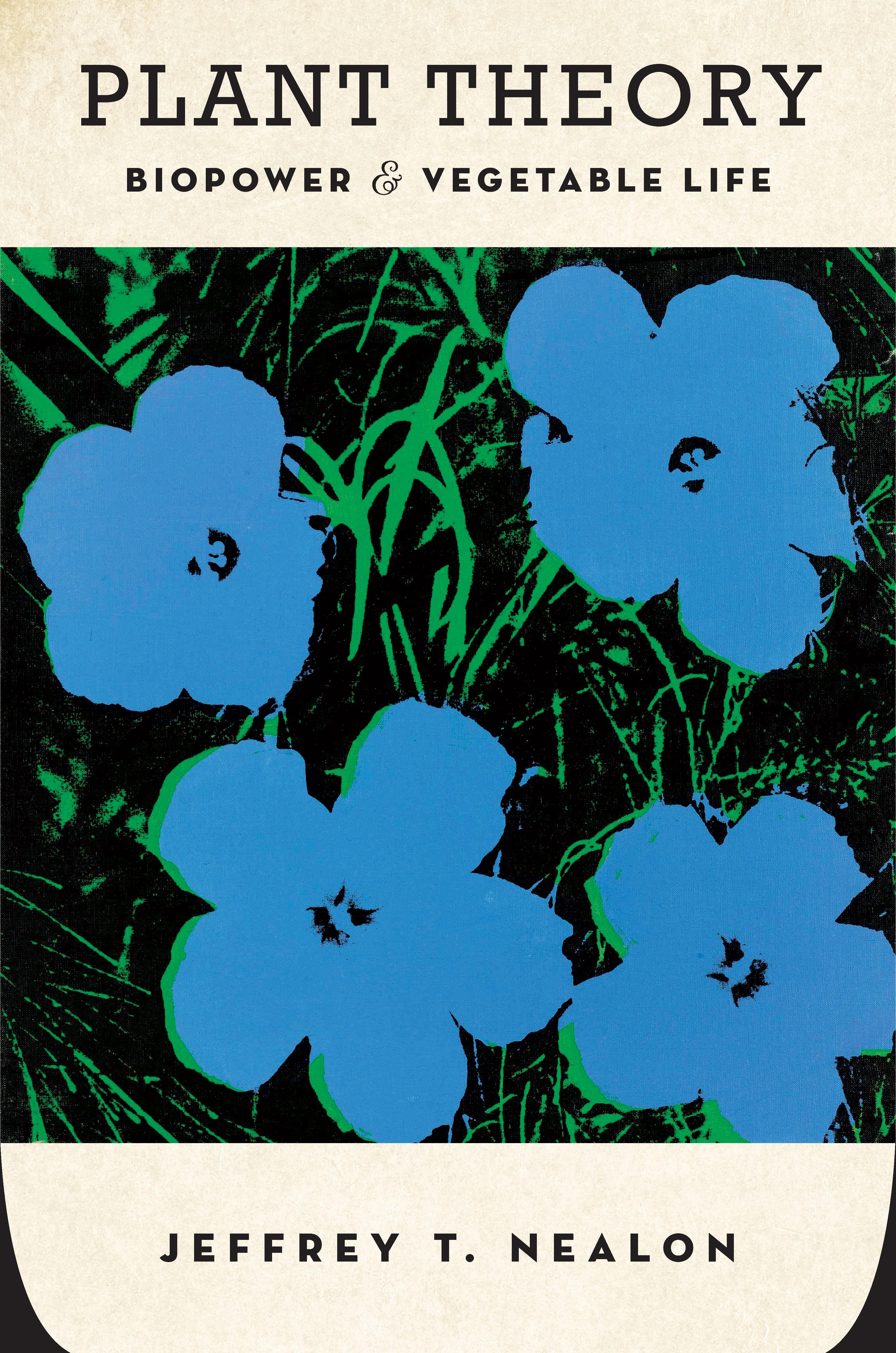
In our age of ecological disaster, this book joins the growing philosophical literature on vegetable life to ask how our present debates about biopower and animal studies change if we take plants as a linchpin for thinking about biopolitics. Logically enough, the book uses animal studies as a way into the subject, but it does so in unexpected ways. Upending critical approaches of biopolitical regimes, it argues that it is plants rather than animals that are the forgotten and abjected forms of life under humanist biopower. Indeed, biopolitical theory has consistently sidestepped the issue of vegetable life, and more recently, has been outright hostile to it. Provocatively, Jeffrey T. Nealon wonders whether animal studies, which has taken the "inventor" of biopower himself to task for speciesism, has not misread Foucault, thereby managing to extend humanist biopower rather than to curb its reach. Nealon is interested in how and why this is the case. Plant Theory turns to several other thinkers of the high theory generation in an effort to imagine new futures for the ongoing biopolitical debate.
Betaal eenvoudig met kaart, Klarna, Apple Pay of Google Pay. Niet tevreden? Je hebt altijd 14 dagen bedenktijd. Lees meer in onze voorwaarden. Heb je vragen, mail ons dan via hello@memmo.org.
Memmo maakt studeren makkelijker – waar je ook bent ter wereld. Wij brengen je cursusboeken en slimme studietools samen op één plek: samenvattingen, quizzen, podcasts en flashcards. En Ted, je studievriend die antwoord geeft op alles wat je je afvraagt. Meer dan 50.000 studenten studeren hier al – gebouwd om je sneller te laten leren en minder stress te geven.