
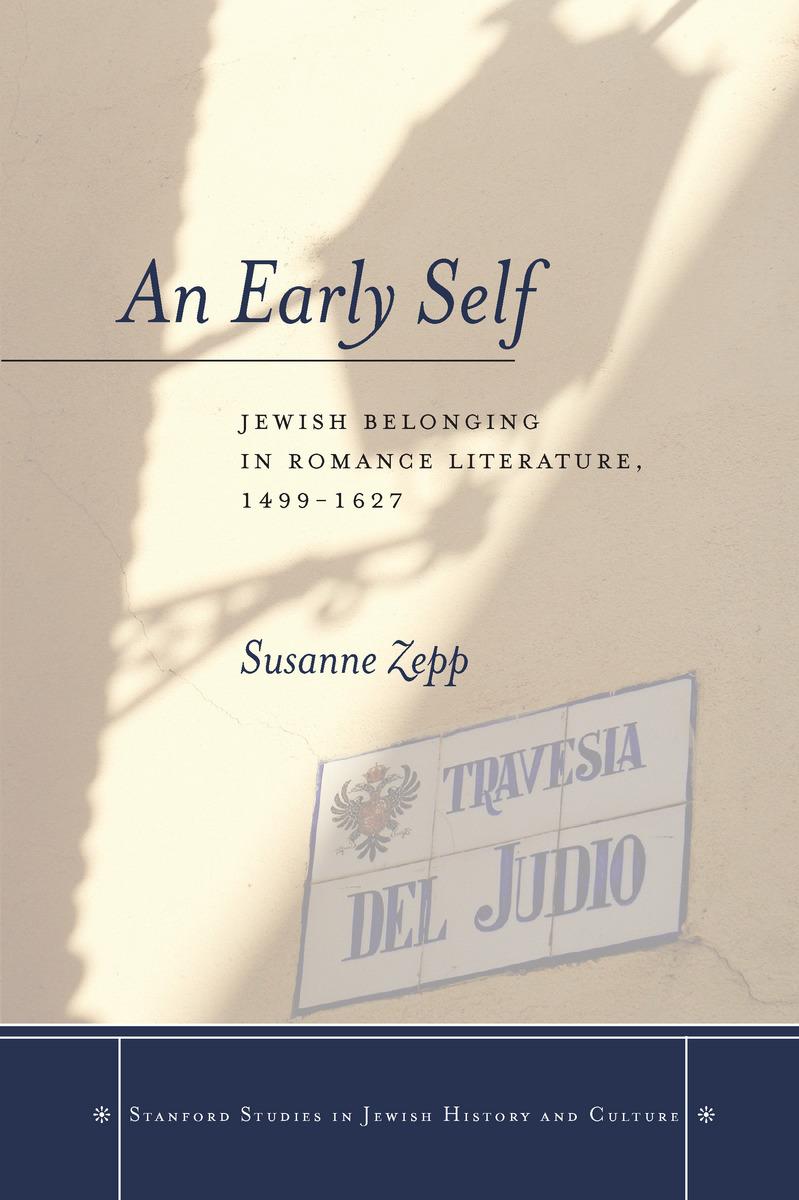
What role has Jewish intellectual culture played in the development of modern Romance literature? Susanne Zepp seeks to answer this question through an examination of five influential early modern texts written between 1499 and 1627: Fernando de Rojas's La Celestina, Leone Ebreo's Dialoghi d'amore, the anonymous tale Lazarillo de Tormes (the first picaresque novel), Montaigne's Essais, and the poetical renditions of the Bible by João Pinto Delgado. Forced to straddle two cultures and religions, these Iberian conversos (Jews who converted to Catholicism) prefigured the subjectivity which would come to characterize modernity.
As "New Christians" in an intolerant world, these thinkers worked within the tensions of their historical context to question norms and dogmas. In the past, scholars have focused on the Jewish origins of such major figures in literature and philosophy. Through close readings of these texts, Zepp moves the debate away from the narrow question of the authors' origins to focus on the innovative ways these authors subverted and transcended traditional genres. She interprets the changes that took place in various literary genres and works of the period within the broader historical context of the sixteenth and seventeenth centuries, demonstrating the extent to which the development of early modern subjective consciousness and its expression in literary works can be explained in part as a universalization of originally Jewish experiences.
Betaal eenvoudig met kaart, Klarna, Apple Pay of Google Pay. Niet tevreden? Je hebt altijd 14 dagen bedenktijd. Lees meer in onze voorwaarden. Heb je vragen, mail ons dan via hello@memmo.org.
Memmo maakt studeren makkelijker – waar je ook bent ter wereld. Wij brengen je cursusboeken en slimme studietools samen op één plek: samenvattingen, quizzen, podcasts en flashcards. En Ted, je studievriend die antwoord geeft op alles wat je je afvraagt. Meer dan 50.000 studenten studeren hier al – gebouwd om je sneller te laten leren en minder stress te geven.