
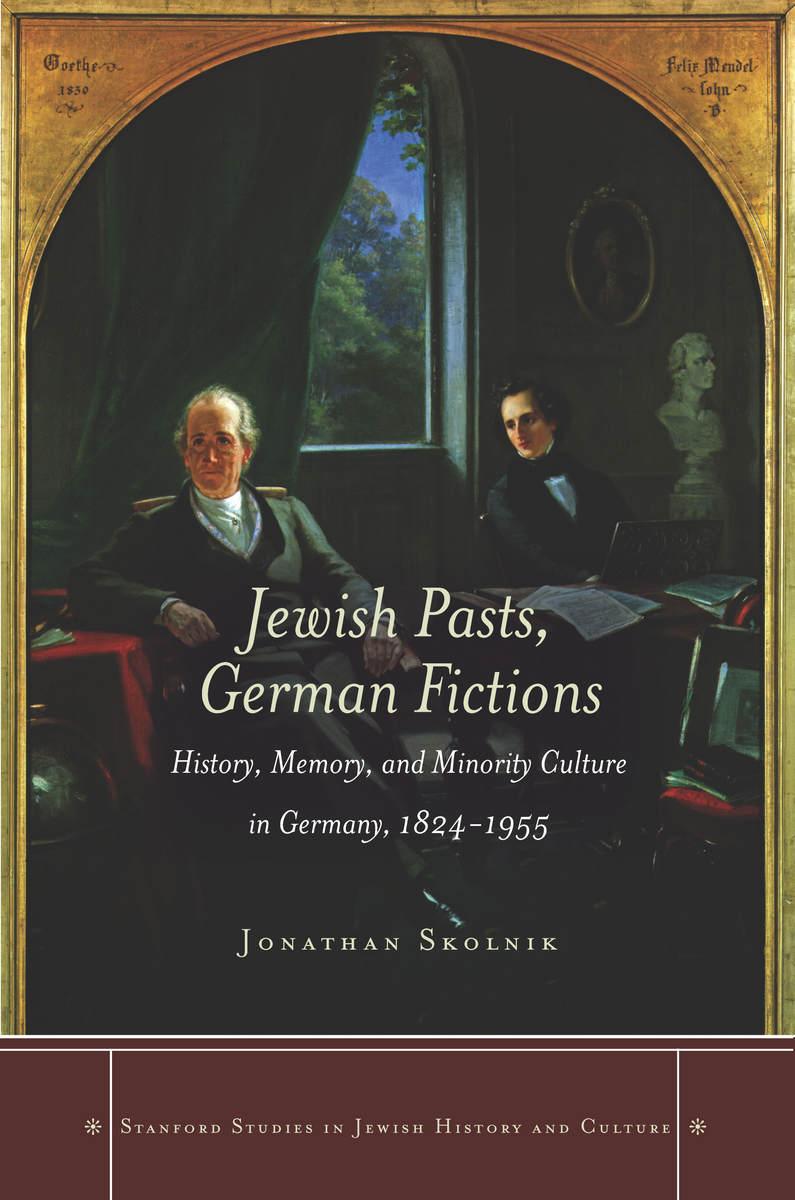
Jewish Pasts, German Fictions is the first comprehensive study of how German-Jewish writers used images from the Spanish-Jewish past to define their place in German culture and society. Jonathan Skolnik argues that Jewish historical fiction was a form of cultural memory that functioned as a parallel to the modern, demythologizing project of secular Jewish history writing.
What did it imply for a minority to imagine its history in the majority language? Skolnik makes the case that the answer lies in the creation of a German-Jewish minority culture in which historical fiction played a central role. After Hitler's rise to power in 1933, Jewish writers and artists, both in Nazi Germany and in exile, employed images from the Sephardic past to grapple with the nature of fascism, the predicament of exile, and the destruction of European Jewry in the Holocaust. The book goes on to show that this past not only helped Jews to make sense of the nonsense, but served also as a window into the hopes for integration and fears about assimilation that preoccupied German-Jewish writers throughout most of the nineteenth century. Ultimately, Skolnik positions the Jewish embrace of German culture not as an act of assimilation but rather a reinvention of Jewish identity and historical memory.
Betaal eenvoudig met kaart, Klarna, Apple Pay of Google Pay. Niet tevreden? Je hebt altijd 14 dagen bedenktijd. Lees meer in onze voorwaarden. Heb je vragen, mail ons dan via hello@memmo.org.
Memmo maakt studeren makkelijker – waar je ook bent ter wereld. Wij brengen je cursusboeken en slimme studietools samen op één plek: samenvattingen, quizzen, podcasts en flashcards. En Ted, je studievriend die antwoord geeft op alles wat je je afvraagt. Meer dan 50.000 studenten studeren hier al – gebouwd om je sneller te laten leren en minder stress te geven.