
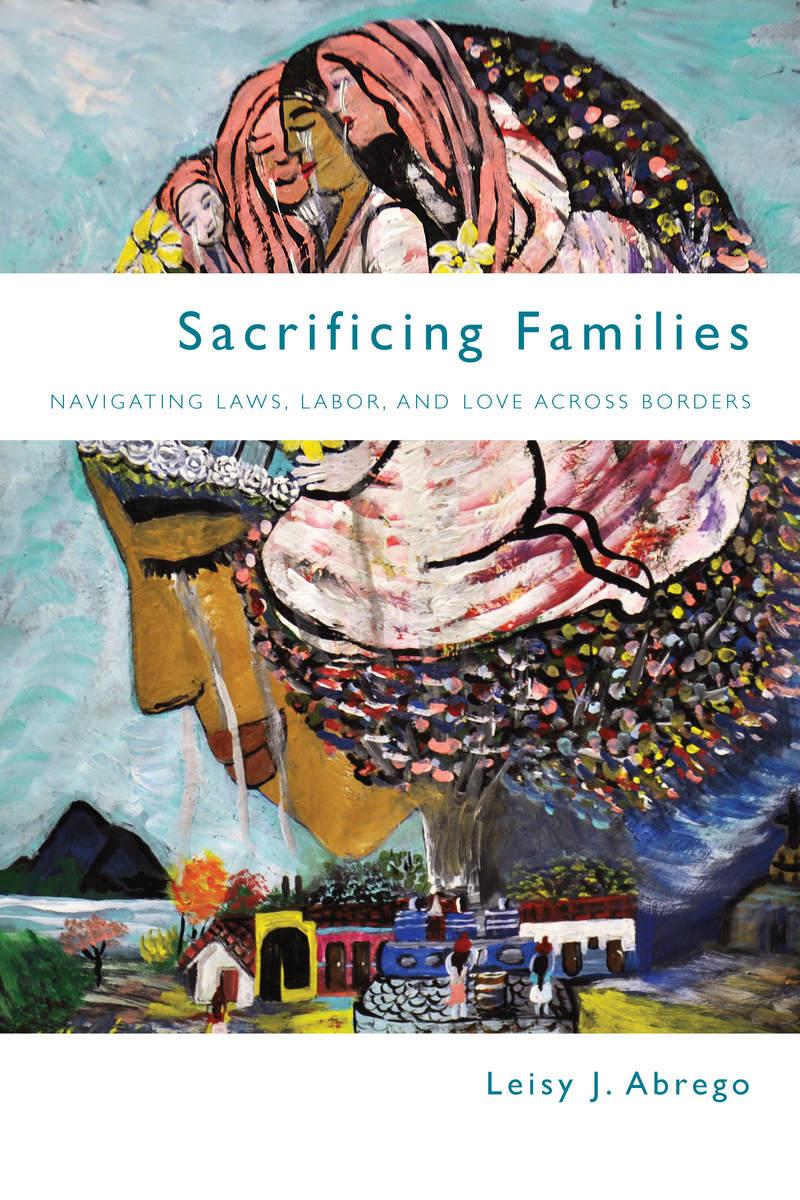
Widening global inequalities make it difficult for parents in developing nations to provide for their children, and both mothers and fathers often find that migration in search of higher wages is their only hope. Their dreams are straightforward: with more money, they can improve their children's lives. But the reality of their experiences is often harsh, and structural barriers—particularly those rooted in immigration policies and gender inequities—prevent many from reaching their economic goals.
Sacrificing Families offers a first-hand look at Salvadoran transnational families, how the parents fare in the United States, and the experiences of the children back home. It captures the tragedy of these families' daily living arrangements, but also delves deeper to expose the structural context that creates and sustains patterns of inequality in their well-being. What prevents these parents from migrating with their children? What are these families' experiences with long-term separation? And why do some ultimately fare better than others?
As free trade agreements expand and nation-states open doors widely for products and profits while closing them tightly for refugees and migrants, these transnational families are not only becoming more common, but they are living through lengthier separations. Leisy Abrego gives voice to these immigrants and their families and documents the inequalities across their experiences.
Betaal eenvoudig met kaart, Klarna, Apple Pay of Google Pay. Niet tevreden? Je hebt altijd 14 dagen bedenktijd. Lees meer in onze voorwaarden. Heb je vragen, mail ons dan via hello@memmo.org.
Memmo maakt studeren makkelijker – waar je ook bent ter wereld. Wij brengen je cursusboeken en slimme studietools samen op één plek: samenvattingen, quizzen, podcasts en flashcards. En Ted, je studievriend die antwoord geeft op alles wat je je afvraagt. Meer dan 50.000 studenten studeren hier al – gebouwd om je sneller te laten leren en minder stress te geven.