
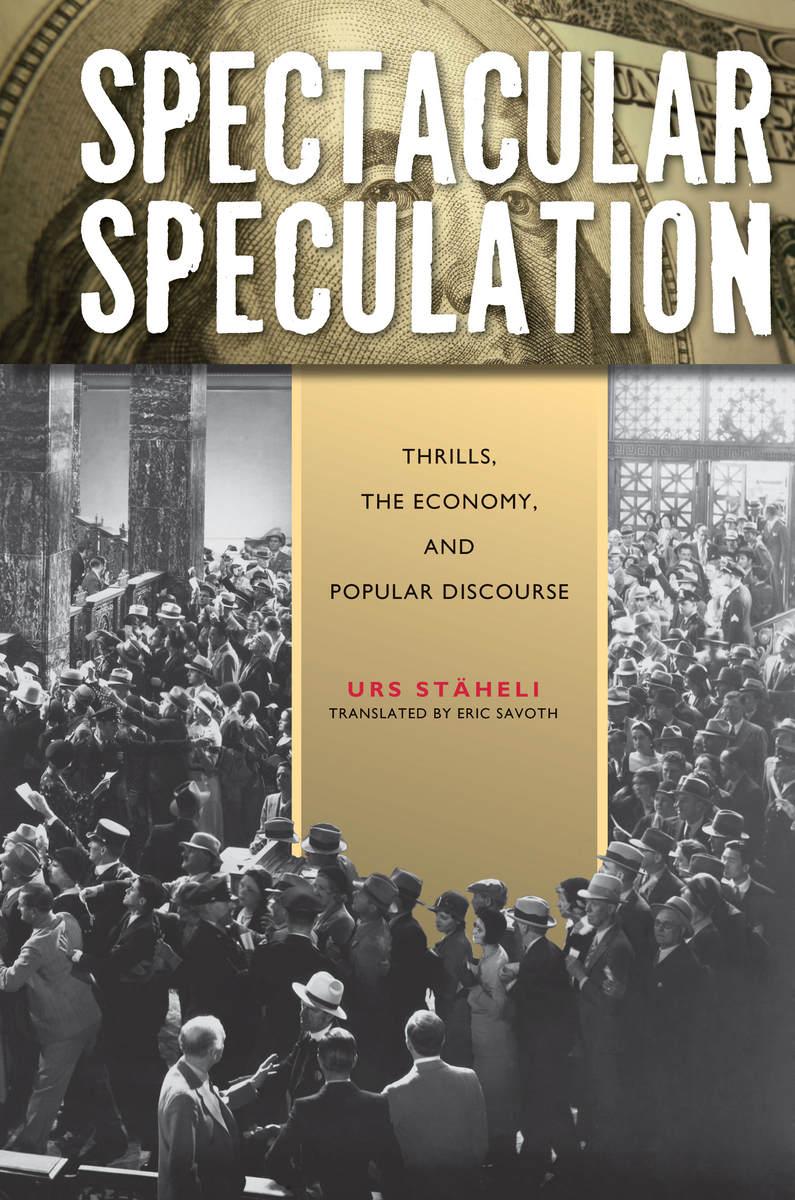
Spectacular Speculation is a history and sociological analysis of the semantics of speculation from 1870 to 1930, when speculation began to assume enormous importance in popular culture. Informed by the work of Luhmann, Foucault, Simmel and Deleuze, it looks at how speculation was translated into popular knowledge and charts the discursive struggles of making speculation a legitimate economic practice. Noting that the vocabulary available to discuss the concept was not properly economic, the book reveals the underside of putting it into words. Speculation's success depended upon non-economic language and morally questionable thrills: a proximity to the wasteful practice of gambling or other "degenerate" behaviors, the experience of financial markets as seductive, or out of control. American discourses of speculation take center stage, and the book covers an unusual range of material, including stock exchange guidebooks, ticker tape, moral treatises, plays, advertisements, and newspapers.
Betaal eenvoudig met kaart, Klarna, Apple Pay of Google Pay. Niet tevreden? Je hebt altijd 14 dagen bedenktijd. Lees meer in onze voorwaarden. Heb je vragen, mail ons dan via hello@memmo.org.
Memmo maakt studeren makkelijker – waar je ook bent ter wereld. Wij brengen je cursusboeken en slimme studietools samen op één plek: samenvattingen, quizzen, podcasts en flashcards. En Ted, je studievriend die antwoord geeft op alles wat je je afvraagt. Meer dan 50.000 studenten studeren hier al – gebouwd om je sneller te laten leren en minder stress te geven.