
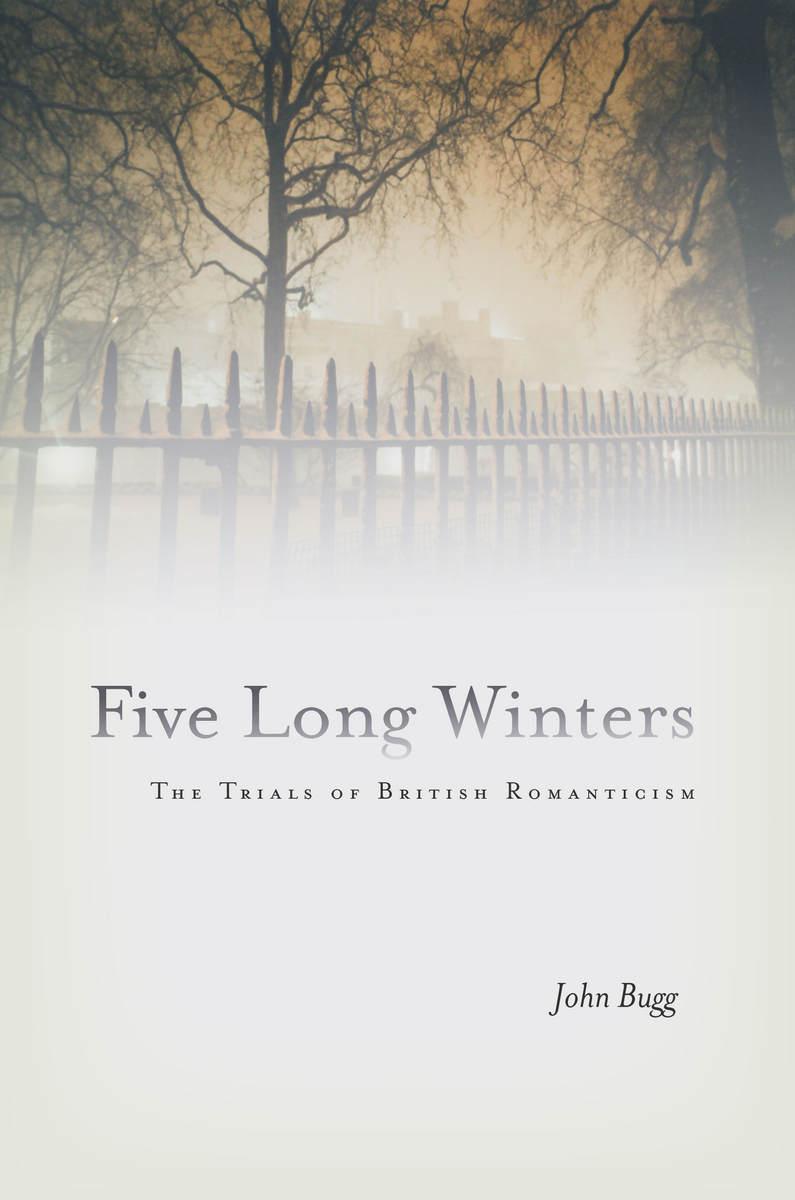
This book argues that the British government's repression of the 1790s rivals the French Revolution as the most important historical event for our understanding the development of Romantic literature. Romanticism has long been associated with both rebellion and escapism, and much Romantic historicism traces an arc from the outburst of democratic energy in British culture triggered by the French Revolution to a dwindling of enthusiasm later in the 1790s, when things in France turned violent. Writers such as Wordsworth and Coleridge can then be seen as "apostates" who turned from radical politics to a poetics of transcendence. Bugg argues instead for a poetics of silence, and his book is set against the backdrop of the so-called Gagging Acts and other legislation of William Pitt, which in literature manifests itself stylistically as silence, stuttering, fragmentation, and encoding. Mining archives of unpublished documents, including manuscripts, diaries, and letters, where authors were more candid, as well as rereading the work of both major and minor figures, a number of whom were subject to prison sentences, Five Long Winters offers a new way of approaching the literature of the Romantic era.
Betaal eenvoudig met kaart, Klarna, Apple Pay of Google Pay. Niet tevreden? Je hebt altijd 14 dagen bedenktijd. Lees meer in onze voorwaarden. Heb je vragen, mail ons dan via hello@memmo.org.
Memmo maakt studeren makkelijker – waar je ook bent ter wereld. Wij brengen je cursusboeken en slimme studietools samen op één plek: samenvattingen, quizzen, podcasts en flashcards. En Ted, je studievriend die antwoord geeft op alles wat je je afvraagt. Meer dan 50.000 studenten studeren hier al – gebouwd om je sneller te laten leren en minder stress te geven.