
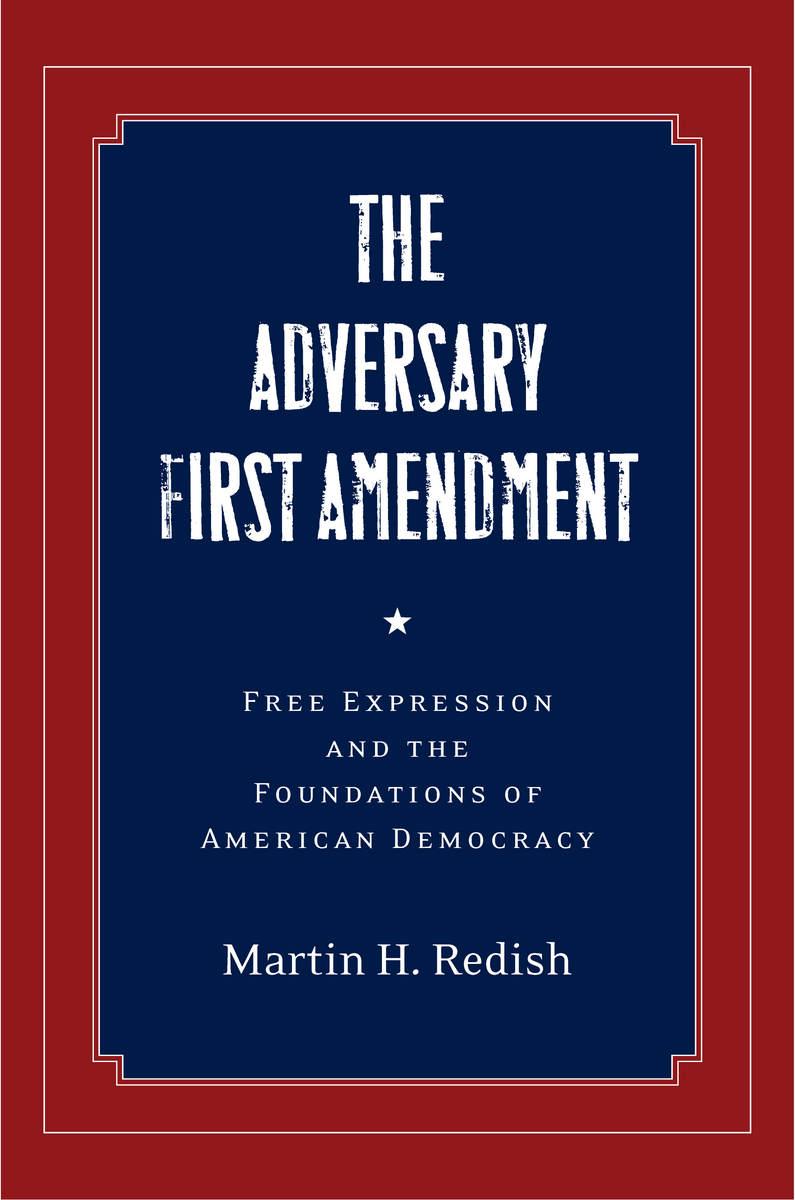
The Adversary First Amendment presents a unique and controversial rethinking of modern American democratic theory and free speech. Most free speech scholars understand the First Amendment as a vehicle for or protection of democracy itself, relying upon cooperative or collectivist theories of democracy. Martin Redish reconsiders free speech in the context of adversary democracy, arguing that individuals should have the opportunity to affect the outcomes of collective decision-making according to their own values and interests.
Adversary democracy recognizes the inevitability of conflict within a democratic society, as well as the need for regulation of that conflict to prevent the onset of tyranny. In doing so, it embraces pluralism, diversity, and the individual growth and development deriving from the promotion of individual interests. Drawing on previous free speech scholarship and case studies of controversial speech, Redish advances a theory of free expression grounded in democratic notions of self-promotion and controlled adversary conflict, making a strong case for its application across such areas as commercial speech, campaign spending, and anonymous speech.
Betaal eenvoudig met kaart, Klarna, Apple Pay of Google Pay. Niet tevreden? Je hebt altijd 14 dagen bedenktijd. Lees meer in onze voorwaarden. Heb je vragen, mail ons dan via hello@memmo.org.
Memmo maakt studeren makkelijker – waar je ook bent ter wereld. Wij brengen je cursusboeken en slimme studietools samen op één plek: samenvattingen, quizzen, podcasts en flashcards. En Ted, je studievriend die antwoord geeft op alles wat je je afvraagt. Meer dan 50.000 studenten studeren hier al – gebouwd om je sneller te laten leren en minder stress te geven.