
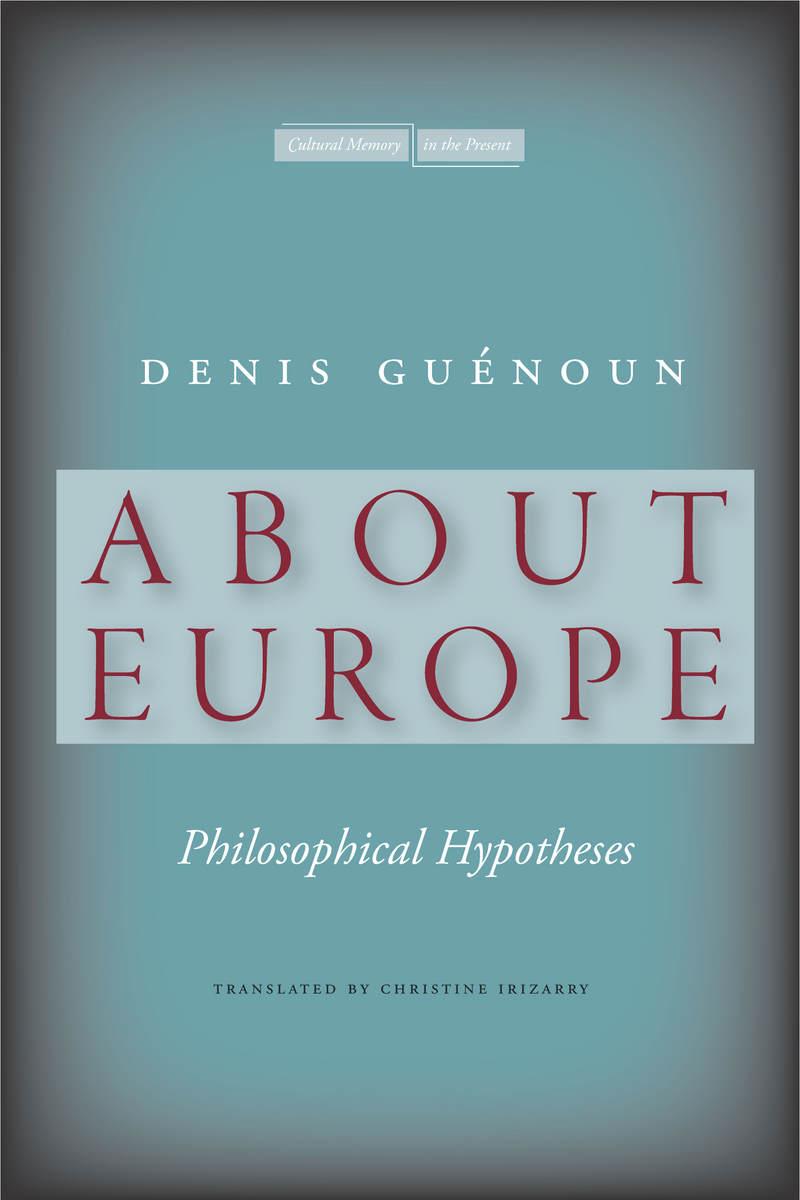
The concept of the universal was born in the lands we now call Europe, yet it is precisely the universal that is Europe's undoing. All European politics is caught in a tension: to assert a European identity is to be open to multiplicity, but this very openness could dissolve Europe as such. This book reflects on Europe and its changing boundaries over the span of twenty centuries. A work of philosophy, it consistently draws on concrete events. From ancient Greece and Rome, to Christianity, to the Reformation, to the national revolutions of the twentieth century, what we today call "Europe" has been a succession of projects in the name of ecclesia or community. Empire, Church, and EU: all have been constructed in contrast to an Oriental "other." The stakes of Europe, then, are as much metaphysical as political. Redefining a series of key concepts such as world, place, transportation, and the common, this book sheds light on Europe as process by engaging with the most significant philosophical debates on the subject, including the work of Marx, Husserl, Heidegger, Patočka, and Nancy.
Betaal eenvoudig met kaart, Klarna, Apple Pay of Google Pay. Niet tevreden? Je hebt altijd 14 dagen bedenktijd. Lees meer in onze voorwaarden. Heb je vragen, mail ons dan via hello@memmo.org.
Memmo maakt studeren makkelijker – waar je ook bent ter wereld. Wij brengen je cursusboeken en slimme studietools samen op één plek: samenvattingen, quizzen, podcasts en flashcards. En Ted, je studievriend die antwoord geeft op alles wat je je afvraagt. Meer dan 50.000 studenten studeren hier al – gebouwd om je sneller te laten leren en minder stress te geven.