
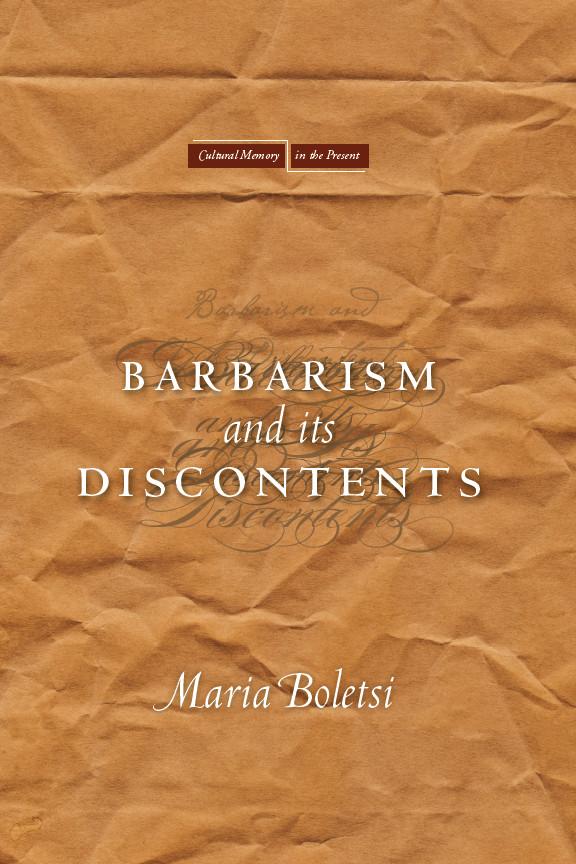
Barbarism and civilization form one of the oldest and most rigid oppositions in Western history. According to this dichotomy, barbarism functions as the negative standard through which "civilization" fosters its self-definition and superiority by labeling others "barbarians." Since the 1990s, and especially since 9/11, these terms have become increasingly popular in Western political and cultural rhetoric—a rhetoric that divides the world into forces of good and evil. This study intervenes in this recent trend and interrogates contemporary and historical uses of barbarism, arguing that barbarism also has a disruptive, insurgent potential. Boletsi recasts barbarism as a productive concept, finding that it is a common thread in works of literature, art, and theory. By dislodging barbarism from its conventional contexts, this book reclaims barbarism's edge and proposes it as a useful theoretical tool.
Betaal eenvoudig met kaart, Klarna, Apple Pay of Google Pay. Niet tevreden? Je hebt altijd 14 dagen bedenktijd. Lees meer in onze voorwaarden. Heb je vragen, mail ons dan via hello@memmo.org.
Memmo maakt studeren makkelijker – waar je ook bent ter wereld. Wij brengen je cursusboeken en slimme studietools samen op één plek: samenvattingen, quizzen, podcasts en flashcards. En Ted, je studievriend die antwoord geeft op alles wat je je afvraagt. Meer dan 50.000 studenten studeren hier al – gebouwd om je sneller te laten leren en minder stress te geven.