
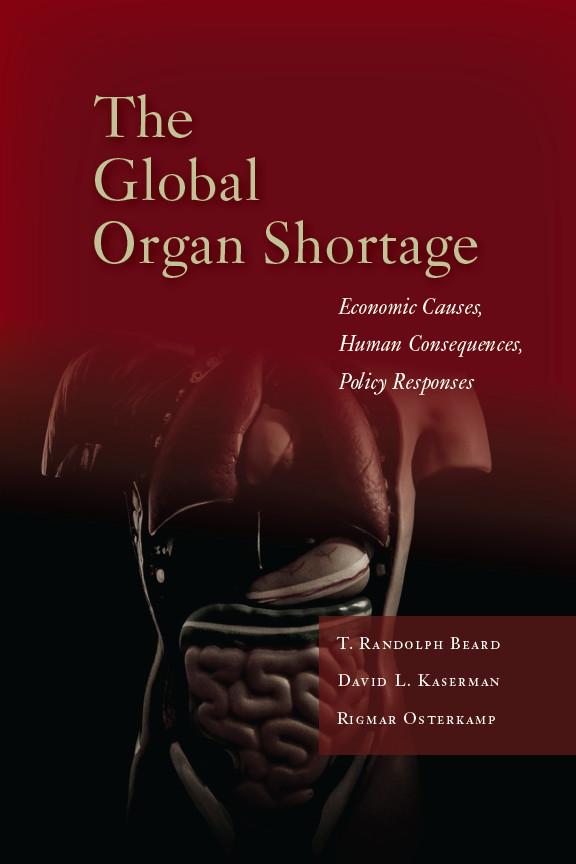
Although organ transplants provide the best, and often the only, effective therapy for many otherwise fatal conditions, the great benefits of transplantation go largely unrealized because of failures in the organ acquisition process. In the United States, for instance, more than 10,000 people die every year either awaiting transplantation, or as a result of deteriorating health exacerbated by the shortage of organs.
Issues pertaining to organ donation and transplantation represent, perhaps, the most complex and morally controversial medical dilemmas aside from abortion and euthanasia. However, these quandaries are not unsolvable. This book proposes compensating organ donors within a publicly controlled monopsony. This proposal is quite similar to current practice in Spain, where compensation for cadaveric donation now occurs "in secret," as this text reveals.
To build their recommendations, the authors provide a medical history of transplantation, a history of the development of national laws and waiting lists, a careful examination of the social costs and benefits of transplantation, a discussion of the causes of organ shortages, an evaluation of "partial" reforms tried or proposed, an extensive ethical evaluation of the current system and its competitors.
Betaal eenvoudig met kaart, Klarna, Apple Pay of Google Pay. Niet tevreden? Je hebt altijd 14 dagen bedenktijd. Lees meer in onze voorwaarden. Heb je vragen, mail ons dan via hello@memmo.org.
Memmo maakt studeren makkelijker – waar je ook bent ter wereld. Wij brengen je cursusboeken en slimme studietools samen op één plek: samenvattingen, quizzen, podcasts en flashcards. En Ted, je studievriend die antwoord geeft op alles wat je je afvraagt. Meer dan 50.000 studenten studeren hier al – gebouwd om je sneller te laten leren en minder stress te geven.