
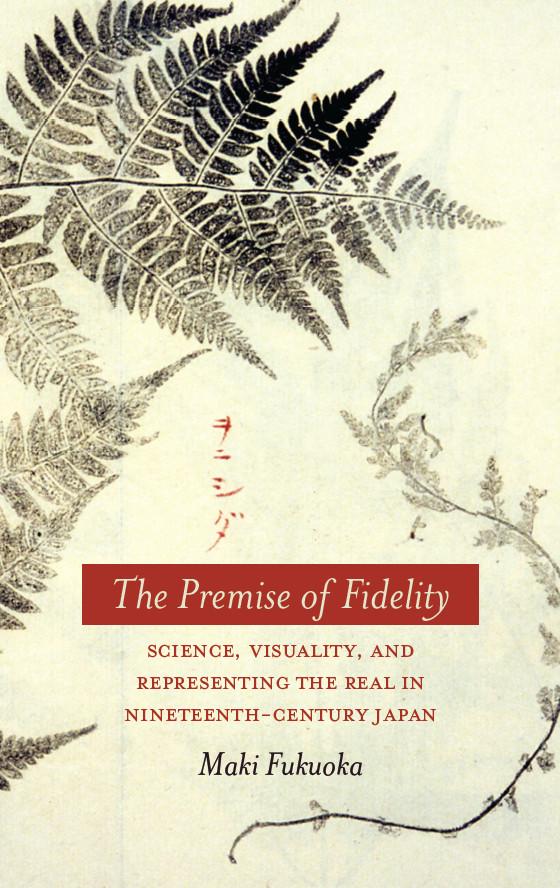
The Premise of Fidelity puts forward a new history of Japanese visuality through an examination of the discourses and practices surrounding the nineteenth century transposition of "the real" in the decades before photography was introduced. This intellectual history is informed by a careful examination of a network of local scholars—from physicians to farmers to bureaucrats—known as Shōhyaku-sha. In their archival materials, these scholars used the term shashin (which would, years later, come to signify "photography" in Japanese) in a wide variety of medical, botanical, and pictorial practices. These scholars pursued questions of the relationship between what they observed and what they believed they knew, in the process investigating scientific ideas and practices by obsessively naming and classifying, and then rendering through highly accurate illustration, the objects of their study.
This book is an exploration of the process by which the Shōhyaku-sha shaped the concept of shashin. As such, it disrupts the dominant narratives of photography, art, and science in Japan, providing a prehistory of Japanese photography that requires the accepted history of the discipline to be rewritten.
Betaal eenvoudig met kaart, Klarna, Apple Pay of Google Pay. Niet tevreden? Je hebt altijd 14 dagen bedenktijd. Lees meer in onze voorwaarden. Heb je vragen, mail ons dan via hello@memmo.org.
Memmo maakt studeren makkelijker – waar je ook bent ter wereld. Wij brengen je cursusboeken en slimme studietools samen op één plek: samenvattingen, quizzen, podcasts en flashcards. En Ted, je studievriend die antwoord geeft op alles wat je je afvraagt. Meer dan 50.000 studenten studeren hier al – gebouwd om je sneller te laten leren en minder stress te geven.