
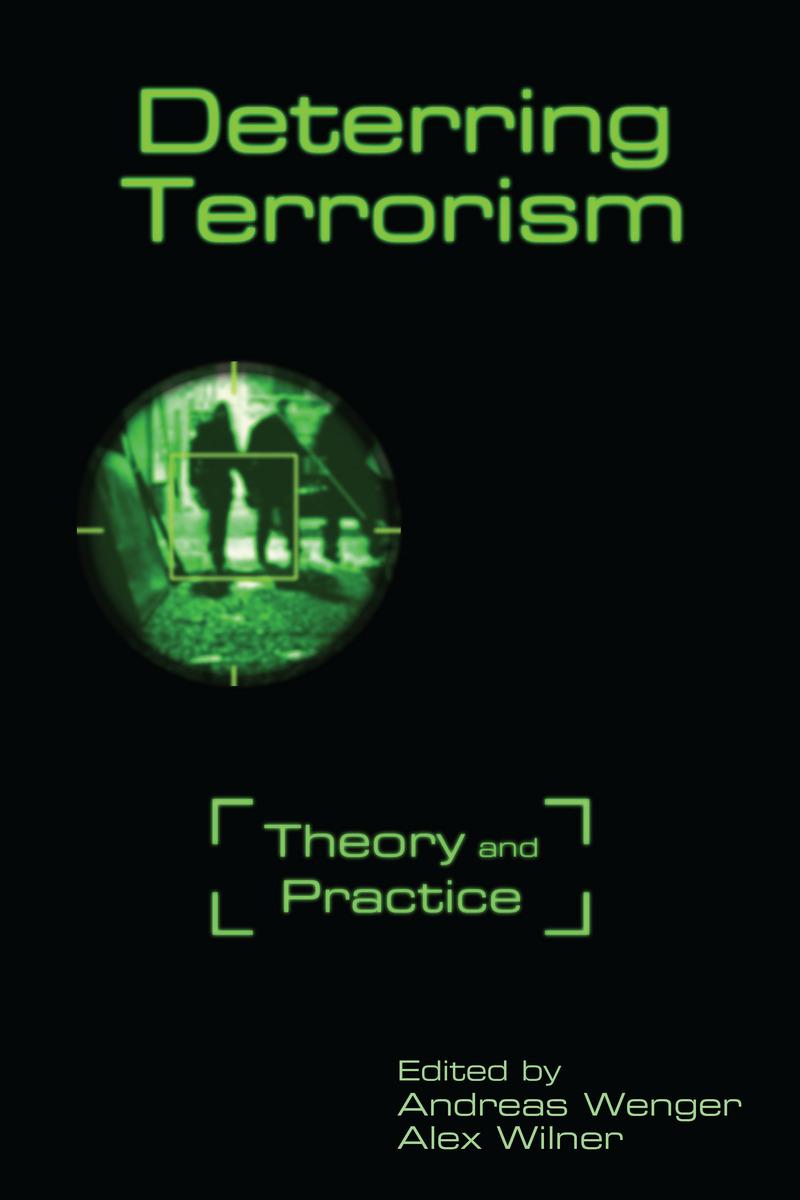
During the Cold War, deterrence theory was the cornerstone of U.S. foreign policy. Following the 9/11 terrorist attacks, however, popular wisdom dictated that terrorist organizations and radical fanatics could not be deterred—and governments shifted their attention to combating terrorism rather than deterring it.
This book challenges that prevailing assumption and offers insight as to when and where terrorism can be deterred. It first identifies how and where theories of deterrence apply to counterterrorism, highlighting how traditional and less-traditional notions of deterrence can be applied to evolving terrorist threats. It then applies these theoretical propositions to real-world threats to establish the role deterrence has within a dynamic counterterrorism strategy—and to identify how metrics can be created for measuring the success of terrorism deterrence strategies. In sum, it provides a foundation for developing effective counterterrorism policies to help states contain or curtail the terrorism challenges they face.
Betaal eenvoudig met kaart, Klarna, Apple Pay of Google Pay. Niet tevreden? Je hebt altijd 14 dagen bedenktijd. Lees meer in onze voorwaarden. Heb je vragen, mail ons dan via hello@memmo.org.
Memmo maakt studeren makkelijker – waar je ook bent ter wereld. Wij brengen je cursusboeken en slimme studietools samen op één plek: samenvattingen, quizzen, podcasts en flashcards. En Ted, je studievriend die antwoord geeft op alles wat je je afvraagt. Meer dan 50.000 studenten studeren hier al – gebouwd om je sneller te laten leren en minder stress te geven.