
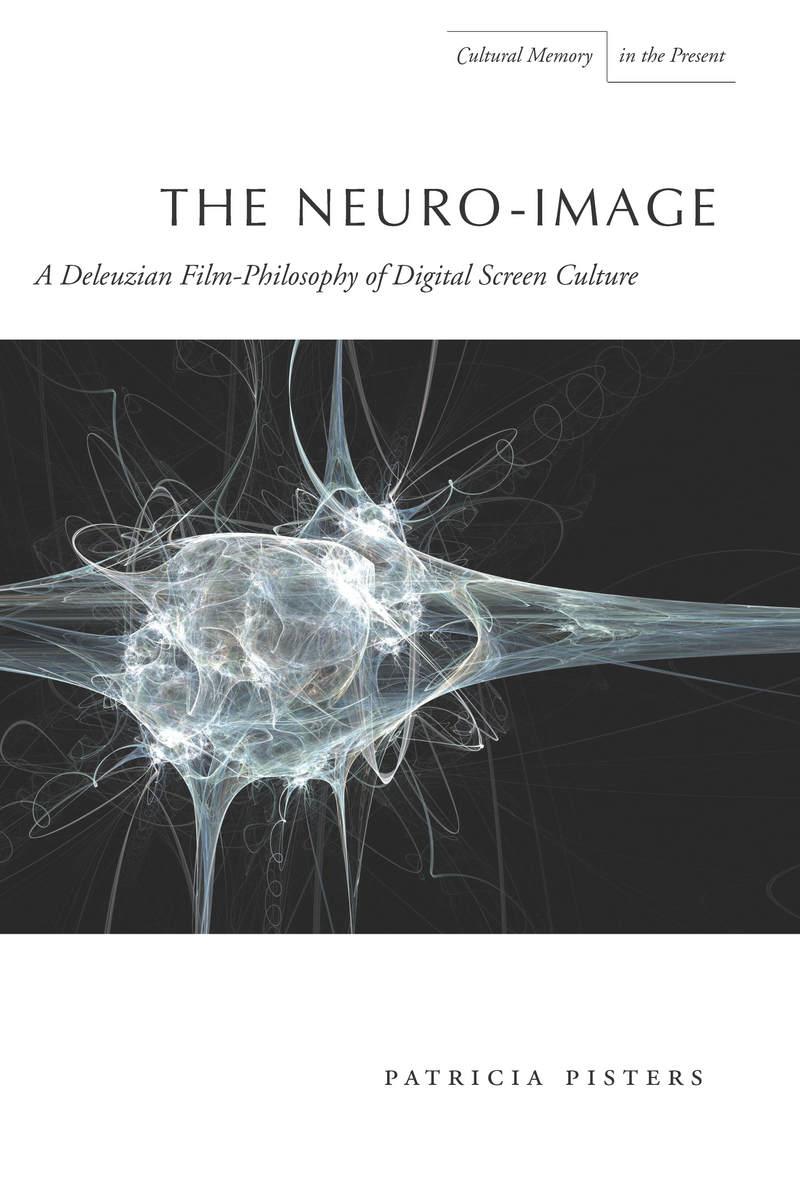
Arguing that today's viewers move through a character's brain instead of looking through his or her eyes or mental landscape, this book approaches twenty-first-century globalized cinema through the concept of the "neuro-image." Pisters explains why this concept has emerged now, and she elaborates its threefold nature through research from three domains—Deleuzian (schizoanalytic) philosophy, digital networked screen culture, and neuroscientific research. These domains return in the book's tripartite structure. Part One, on the brain as "neuroscreen," suggests rich connections between film theory, mental illness, and cognitive neuroscience. Part Two explores neuro-images from a philosophical perspective, paying close attention to their ontological, epistemological, and aesthetic dimensions. Political and ethical aspects of the neuro-image are discussed in Part Three. Topics covered along the way include the omnipresence of surveillance, the blurring of the false and the real and the affective powers of the neo-baroque, and the use of neuro-images in politics, historical memory, and war.
Betaal eenvoudig met kaart, Klarna, Apple Pay of Google Pay. Niet tevreden? Je hebt altijd 14 dagen bedenktijd. Lees meer in onze voorwaarden. Heb je vragen, mail ons dan via hello@memmo.org.
Memmo maakt studeren makkelijker – waar je ook bent ter wereld. Wij brengen je cursusboeken en slimme studietools samen op één plek: samenvattingen, quizzen, podcasts en flashcards. En Ted, je studievriend die antwoord geeft op alles wat je je afvraagt. Meer dan 50.000 studenten studeren hier al – gebouwd om je sneller te laten leren en minder stress te geven.