
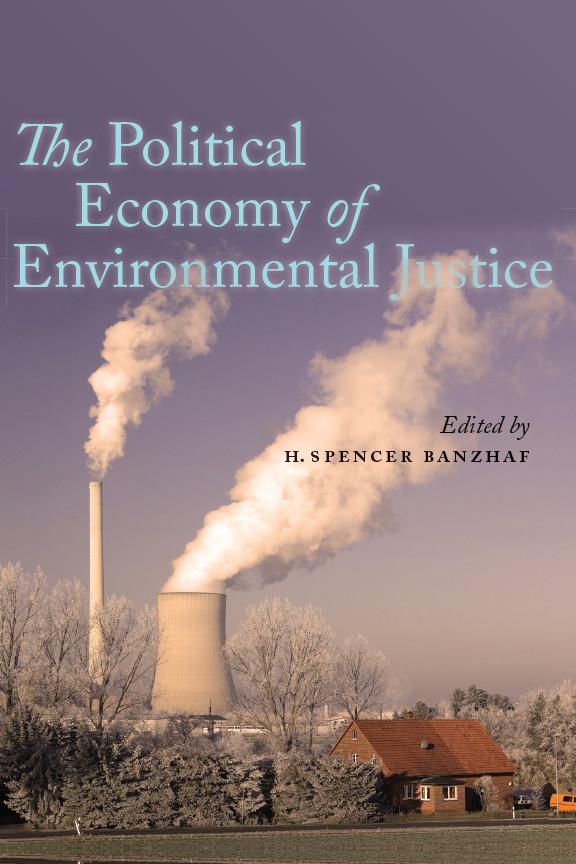
The environmental justice literature convincingly shows that poor people and minorities live in more polluted neighborhoods than do other groups. These findings have sparked a broad activist movement, numerous local lawsuits, and several federal policy reforms.
Despite the importance of environmental justice, the topic has received little attention from economists. And yet, economists have much to contribute, as several explanations for the correlation between pollution and marginalized citizens rely on market mechanisms. Understanding the role of these mechanisms is crucial to designing policy remedies, for each lends itself to a different interpretation to the locus of injustices. Moreover, the different mechanisms have varied implications for the efficacy of policy responses—and who gains and loses from them.
In the first book-length examination of environmental justice from the perspective of economics, a cast of top contributors evaluates why underprivileged citizens are overexposed to toxic environments and what policy can do to help. While the text engages economic methods, it is written for an interdisciplinary audience.
Betaal eenvoudig met kaart, Klarna, Apple Pay of Google Pay. Niet tevreden? Je hebt altijd 14 dagen bedenktijd. Lees meer in onze voorwaarden. Heb je vragen, mail ons dan via hello@memmo.org.
Memmo maakt studeren makkelijker – waar je ook bent ter wereld. Wij brengen je cursusboeken en slimme studietools samen op één plek: samenvattingen, quizzen, podcasts en flashcards. En Ted, je studievriend die antwoord geeft op alles wat je je afvraagt. Meer dan 50.000 studenten studeren hier al – gebouwd om je sneller te laten leren en minder stress te geven.