
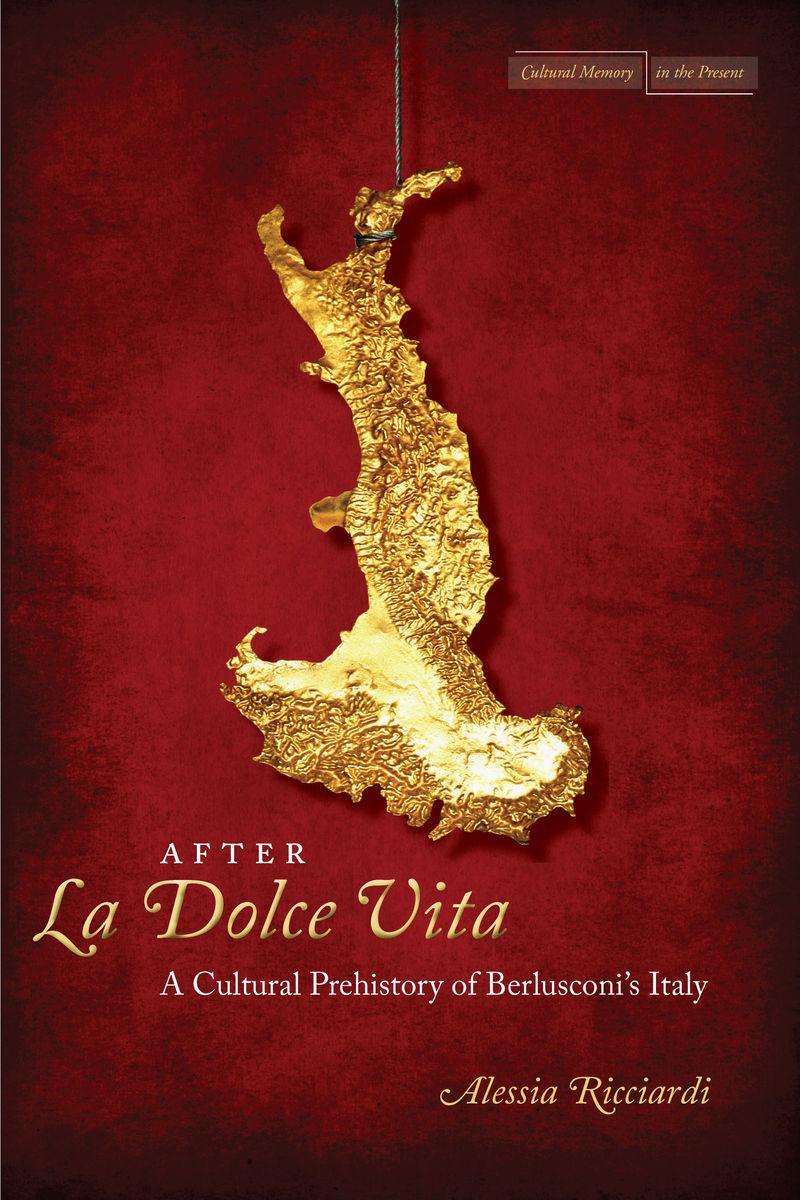
This book chronicles the demise of the supposedly leftist Italian cultural establishment during the long 1980s. During that time, the nation's literary and intellectual vanguard managed to lose the prominence handed it after the end of World War II and the defeat of Fascism. What emerged instead was a uniquely Italian brand of cultural capital that deliberately avoided any critical questioning of the prevailing order. Ricciardi criticizes the development of this new hegemonic arrangement in film, literature, philosophy, and art criticism. She focuses on several turning points: Fellini's futile, late-career critique of Berlusconi-style commercial television, Calvino's late turn to reactionary belletrism, Vattimo's nihilist and conservative responses to French poststructuralism, and Bonito Oliva's movement of art commodification, Transavanguardia.
Betaal eenvoudig met kaart, Klarna, Apple Pay of Google Pay. Niet tevreden? Je hebt altijd 14 dagen bedenktijd. Lees meer in onze voorwaarden. Heb je vragen, mail ons dan via hello@memmo.org.
Memmo maakt studeren makkelijker – waar je ook bent ter wereld. Wij brengen je cursusboeken en slimme studietools samen op één plek: samenvattingen, quizzen, podcasts en flashcards. En Ted, je studievriend die antwoord geeft op alles wat je je afvraagt. Meer dan 50.000 studenten studeren hier al – gebouwd om je sneller te laten leren en minder stress te geven.