
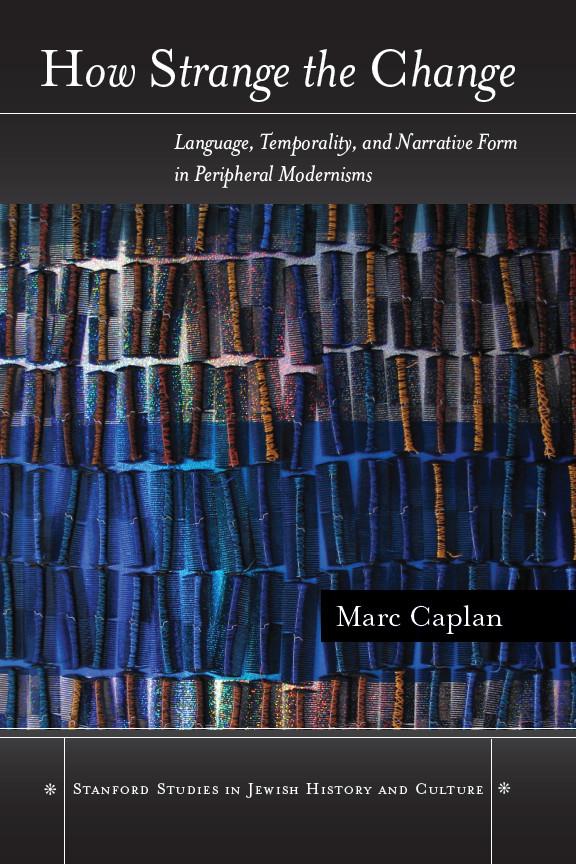
In this book, Marc Caplan argues that the literatures of ostensibly marginal modern cultures are key to understanding modernism. Caplan undertakes an unprecedented comparison of nineteenth-century Yiddish literature and twentieth-century Anglophone and Francophone African literature and reveals unexpected similarities between them. These literatures were created under imperial regimes that brought with them processes of modernization that were already well advanced elsewhere. Yiddish and African writers reacted to the liberating potential of modernity and the burdens of imperial authority by choosing similar narrative genres, typically reminiscent of early-modern European literatures: the picaresque, the pseudo-autobiography, satire, and the Bildungsroman. Both display analogous anxieties toward language, caught as they were between imperial, "global" languages and stigmatized native vernaculars, and between traditions of writing and orality. Through comparative readings of narratives by Reb Nakhman of Breslov, Amos Tutuola, Yisroel Aksenfeld, Cheikh Hamidou Kane, Isaac Meyer Dik, Camara Laye, Mendele Moykher-Sforim, Wole Soyinka, Y. Y. Linetski, and Ahmadou Karouma, Caplan demonstrates that these literatures' "belated" relationship to modernization suggests their potential to anticipate subsequent crises in the modernity and post-modernity of metropolitan cultures. This, in turn, leads him to propose a new theoretical model, peripheral modernism, which incorporates both a new understanding of "periphery" and "center" in modernity and a new methodology for comparative literary criticism and theory.
Betaal eenvoudig met kaart, Klarna, Apple Pay of Google Pay. Niet tevreden? Je hebt altijd 14 dagen bedenktijd. Lees meer in onze voorwaarden. Heb je vragen, mail ons dan via hello@memmo.org.
Memmo maakt studeren makkelijker – waar je ook bent ter wereld. Wij brengen je cursusboeken en slimme studietools samen op één plek: samenvattingen, quizzen, podcasts en flashcards. En Ted, je studievriend die antwoord geeft op alles wat je je afvraagt. Meer dan 50.000 studenten studeren hier al – gebouwd om je sneller te laten leren en minder stress te geven.