
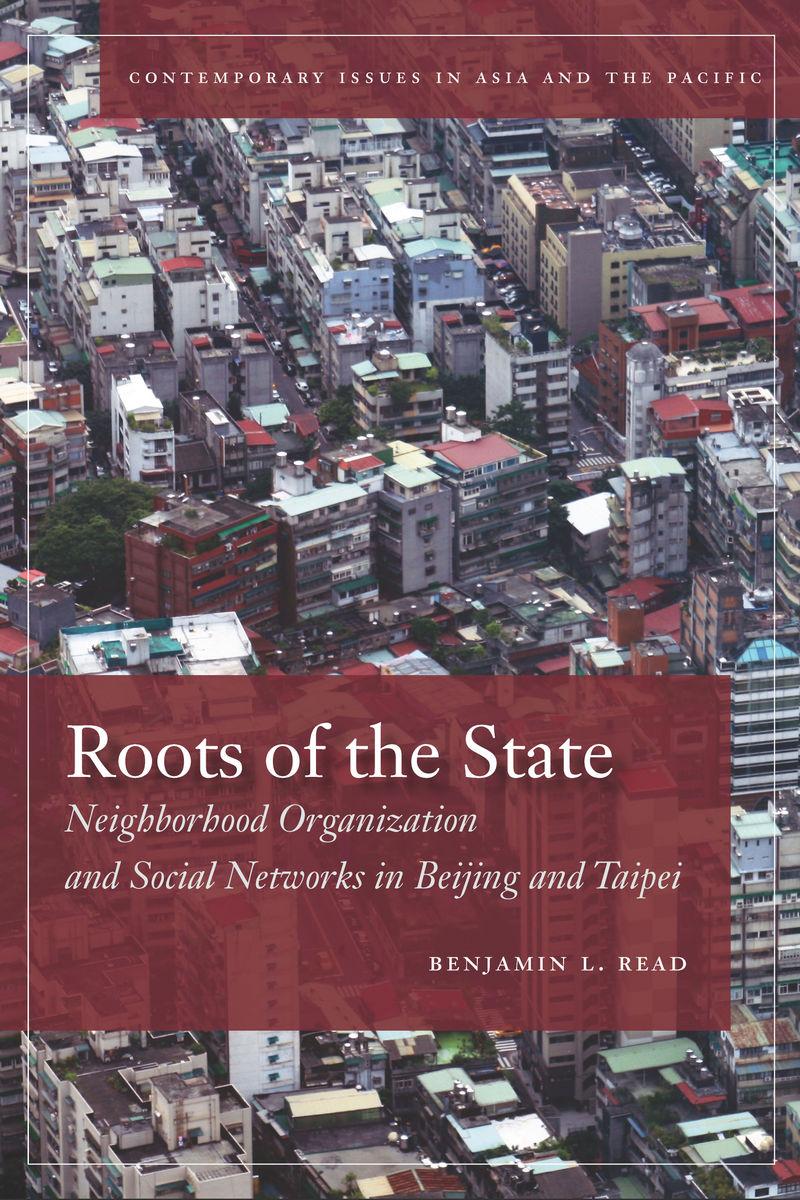
Most social science studies of local organizations tend to focus on "civil society" associations, voluntary associations independent from state control, whereas government-sponsored organizations tend to be theorized in totalitarian terms as "mass organizations" or manifestations of state corporatism. Roots of the State examines neighborhood associations in Beijing and Taipei that occupy a unique space that exists between these concepts.
Benjamin L. Read views the work of the neighborhood associations he studies as a form of "administrative grassroots engagement." States sponsor networks of organizations at the most local of levels, and the networks facilitate governance and policing by building personal relationships with members of society. Association leaders serve as the state's designated liaisons within the neighborhood and perform administrative duties covering a wide range of government programs, from welfare to political surveillance. These partly state-controlled entities also provide a range of services to their constituents.
Neighborhood associations, as institutions initially created to control societies, may underpin a repressive regime such as China's, but they also can evolve to empower societies, as in Taiwan. This book engages broad and much-discussed questions about governance and political participation in both authoritarian and democratic regimes.
Betaal eenvoudig met kaart, Klarna, Apple Pay of Google Pay. Niet tevreden? Je hebt altijd 14 dagen bedenktijd. Lees meer in onze voorwaarden. Heb je vragen, mail ons dan via hello@memmo.org.
Memmo maakt studeren makkelijker – waar je ook bent ter wereld. Wij brengen je cursusboeken en slimme studietools samen op één plek: samenvattingen, quizzen, podcasts en flashcards. En Ted, je studievriend die antwoord geeft op alles wat je je afvraagt. Meer dan 50.000 studenten studeren hier al – gebouwd om je sneller te laten leren en minder stress te geven.