
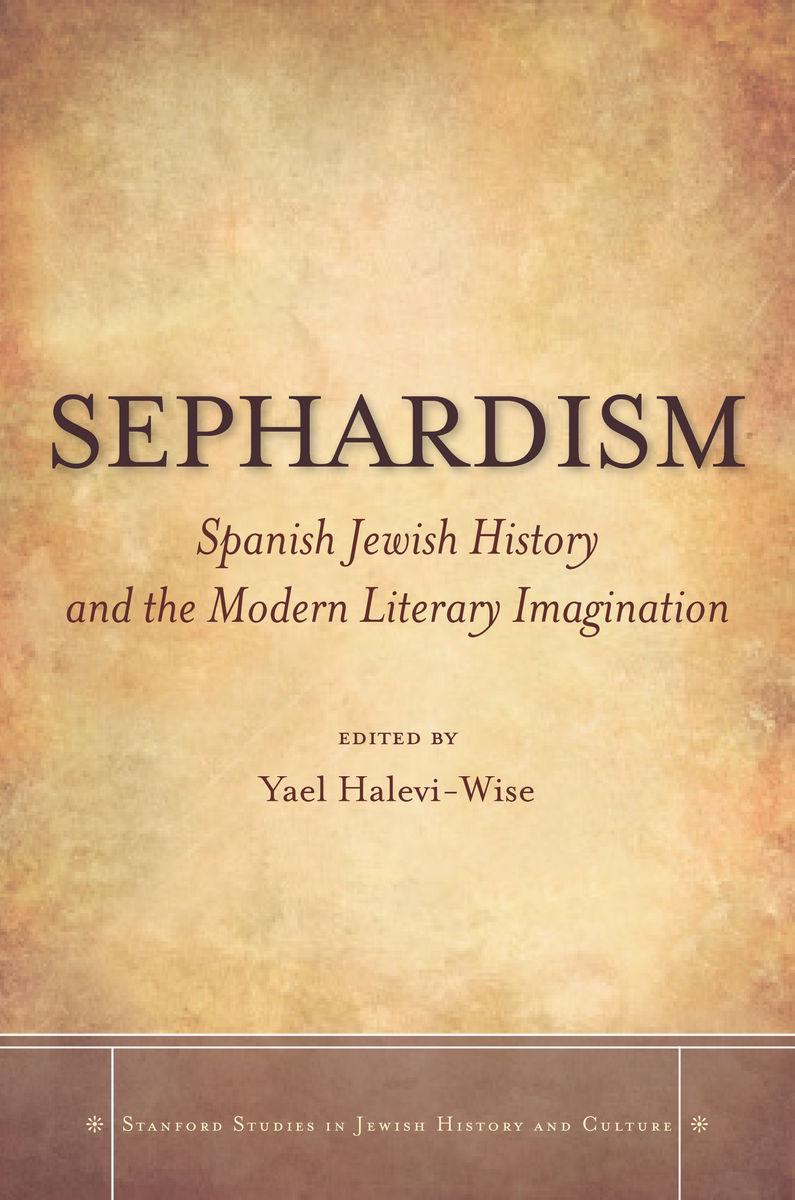
In this book, Sephardism is defined not as an expression of Sephardic identity but as a politicized literary metaphor. Since the nineteenth century, this metaphor has occurred with extraordinary frequency in works by authors from a variety of ethnicities, religions, and nationalities in Europe, the Americas, North Africa, Israel, and even India.
Sephardism asks why Gentile and Jewish writers and cultural figures have chosen to draw upon the medieval Sephardic experience to express their concerns about dissidents and minorities in modern nations? To what extent does their use of Sephardism overlap with other politicized discourses such as orientalism, hispanism, and medievalism, which also emerged from a clash between authoritarian, progressive, and romantic ideologies? This book brings a new approach to Sephardic Studies by situating it at a crossroads between Jewish Studies and Hispanic Studies in ways that enhance our appreciation of how historical fiction and political history have shaped, and were shaped by, historical attitudes toward Jews and their representation.
Betaal eenvoudig met kaart, Klarna, Apple Pay of Google Pay. Niet tevreden? Je hebt altijd 14 dagen bedenktijd. Lees meer in onze voorwaarden. Heb je vragen, mail ons dan via hello@memmo.org.
Memmo maakt studeren makkelijker – waar je ook bent ter wereld. Wij brengen je cursusboeken en slimme studietools samen op één plek: samenvattingen, quizzen, podcasts en flashcards. En Ted, je studievriend die antwoord geeft op alles wat je je afvraagt. Meer dan 50.000 studenten studeren hier al – gebouwd om je sneller te laten leren en minder stress te geven.