
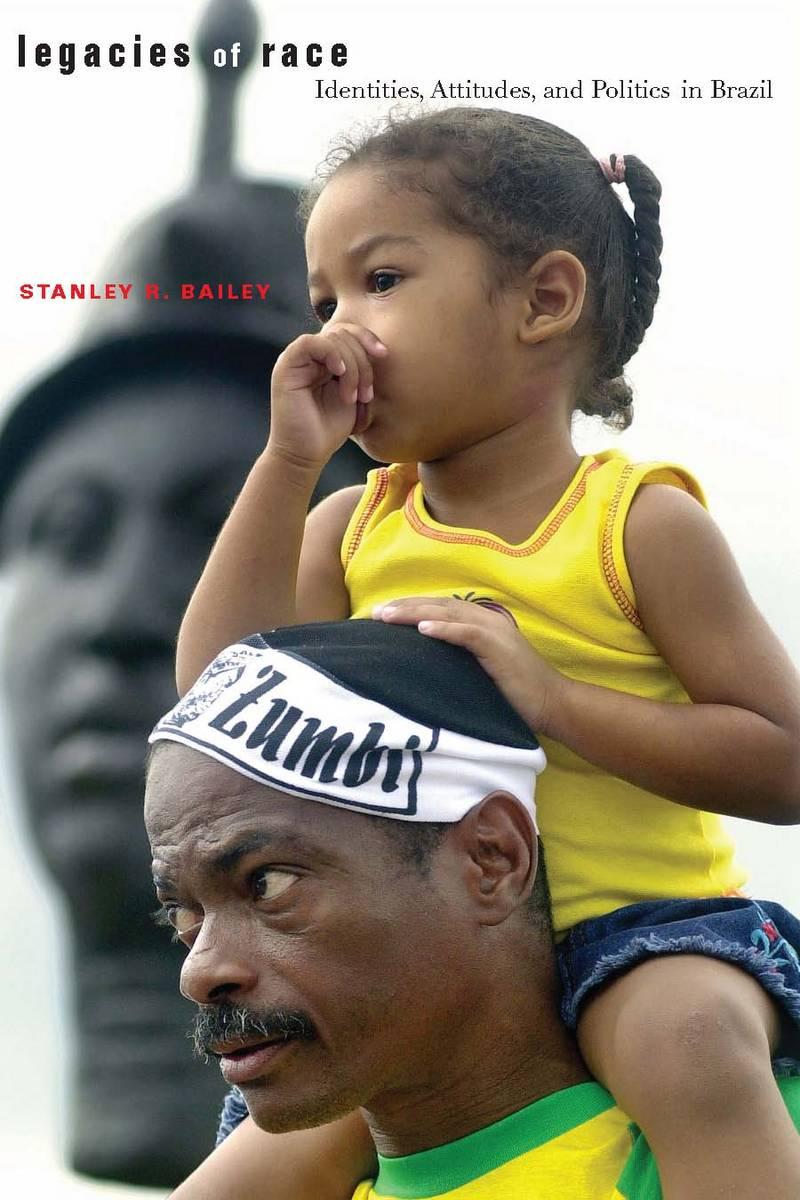
The United States and Brazil were the largest slave-trading societies of the New World. The demographics of both countries reflect this shared past, but this is where comparisons end. The vast majority of the "Afro-Brazilian" population, unlike their U.S. counterparts, view themselves as neither black nor white but as mixed-race. Legacies of Race offers the first examination of Brazilian public opinion to understand racial identities, attitudes, and politics in this racially ambiguous context.
Brazilians avoid rigid notions of racial group membership, and, in stark contrast to U.S. experience, attitudes about racial inequality, African-derived culture, and antiracism strategies are not deeply divided along racial lines. Bailey argues that only through dispensing with many U.S.-inspired racial assumptions can a general theory of racial attitudes become possible. Most importantly, he shows that a strict notion of racial identification in black and white cannot be assumed universal.
Betaal eenvoudig met kaart, Klarna, Apple Pay of Google Pay. Niet tevreden? Je hebt altijd 14 dagen bedenktijd. Lees meer in onze voorwaarden. Heb je vragen, mail ons dan via hello@memmo.org.
Memmo maakt studeren makkelijker – waar je ook bent ter wereld. Wij brengen je cursusboeken en slimme studietools samen op één plek: samenvattingen, quizzen, podcasts en flashcards. En Ted, je studievriend die antwoord geeft op alles wat je je afvraagt. Meer dan 50.000 studenten studeren hier al – gebouwd om je sneller te laten leren en minder stress te geven.