
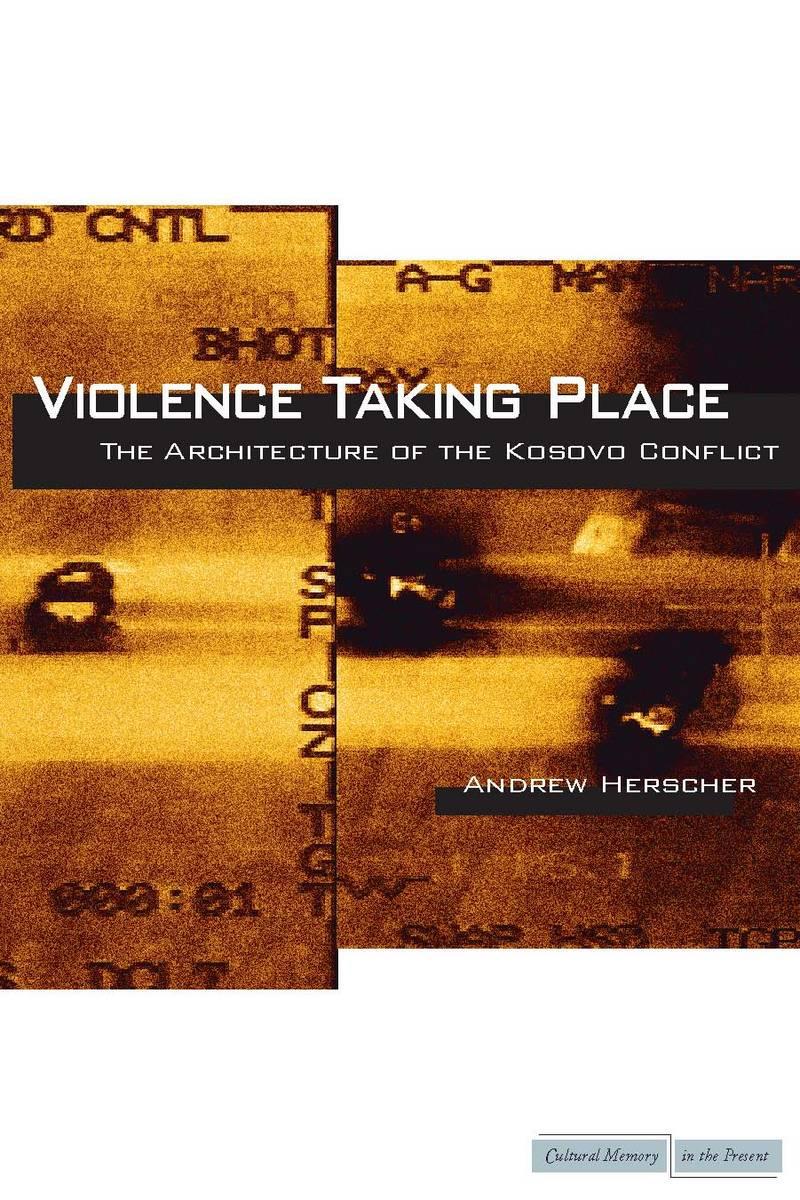
While the construction of architecture has a place in architectural discourse, its destruction, generally seen as incompatible with the very idea of "culture," has been neglected in theoretical and historical discussion. Responding to this neglect, Herscher examines the case of the former Yugoslavia and in particular, Kosovo, where targeting architecture has been a prominent dimension of political violence. Rather than interpreting violence against architecture as a mere representation of "deeper" social, political, or ideological dynamics, Herscher reveals it to be a form of cultural production, irreducible to its contexts and formative of the identities and agencies that seemingly bear on it as causes. Focusing on the particular sites where violence is inflicted and where its subjects and objects are articulated, the book traces the intersection of violence and architecture from socialist modernization, through ethnic and nationalist conflict, to postwar reconstruction.
Betaal eenvoudig met kaart, Klarna, Apple Pay of Google Pay. Niet tevreden? Je hebt altijd 14 dagen bedenktijd. Lees meer in onze voorwaarden. Heb je vragen, mail ons dan via hello@memmo.org.
Memmo maakt studeren makkelijker – waar je ook bent ter wereld. Wij brengen je cursusboeken en slimme studietools samen op één plek: samenvattingen, quizzen, podcasts en flashcards. En Ted, je studievriend die antwoord geeft op alles wat je je afvraagt. Meer dan 50.000 studenten studeren hier al – gebouwd om je sneller te laten leren en minder stress te geven.