
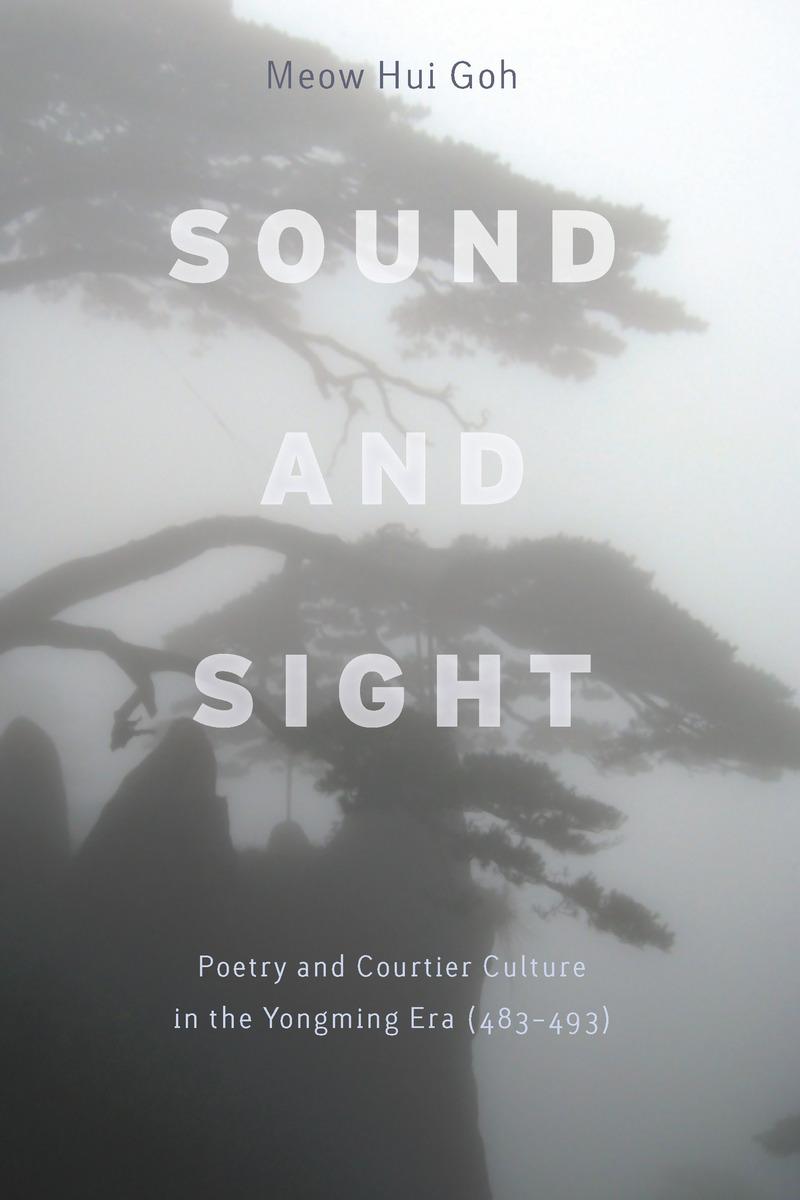
This is the first book to examine Chinese poetry and courtier culture using the concept of shengse—sound and sight—which connotes "sensual pleasure." Under the moral and political imperative to avoid or even eliminate representations of sense perception, premodern Chinese commentators treated overt displays of artistry with great suspicion, and their influence is still alive in modern and contemporary constructions of literary and cultural history.
The Yongming poets, who openly extolled "sound and rhymes," have been deemed the main instigators of a poetic trend toward the sensual. Situating them within the court milieu of their day, Meow Hui Goh asks a simple question: What did shengse mean to the Yongming poets? By unraveling the aural and visual experiences encapsulated in their poems, she argues that their pursuit of "sound and sight" reveals a complex confluence of Buddhist influence, Confucian value, and new sociopolitical conditions. Her study challenges the old perception of the Yongming poets and the common practice of reading classical Chinese poems for semantic meaning only.
Betaal eenvoudig met kaart, Klarna, Apple Pay of Google Pay. Niet tevreden? Je hebt altijd 14 dagen bedenktijd. Lees meer in onze voorwaarden. Heb je vragen, mail ons dan via hello@memmo.org.
Memmo maakt studeren makkelijker – waar je ook bent ter wereld. Wij brengen je cursusboeken en slimme studietools samen op één plek: samenvattingen, quizzen, podcasts en flashcards. En Ted, je studievriend die antwoord geeft op alles wat je je afvraagt. Meer dan 50.000 studenten studeren hier al – gebouwd om je sneller te laten leren en minder stress te geven.