
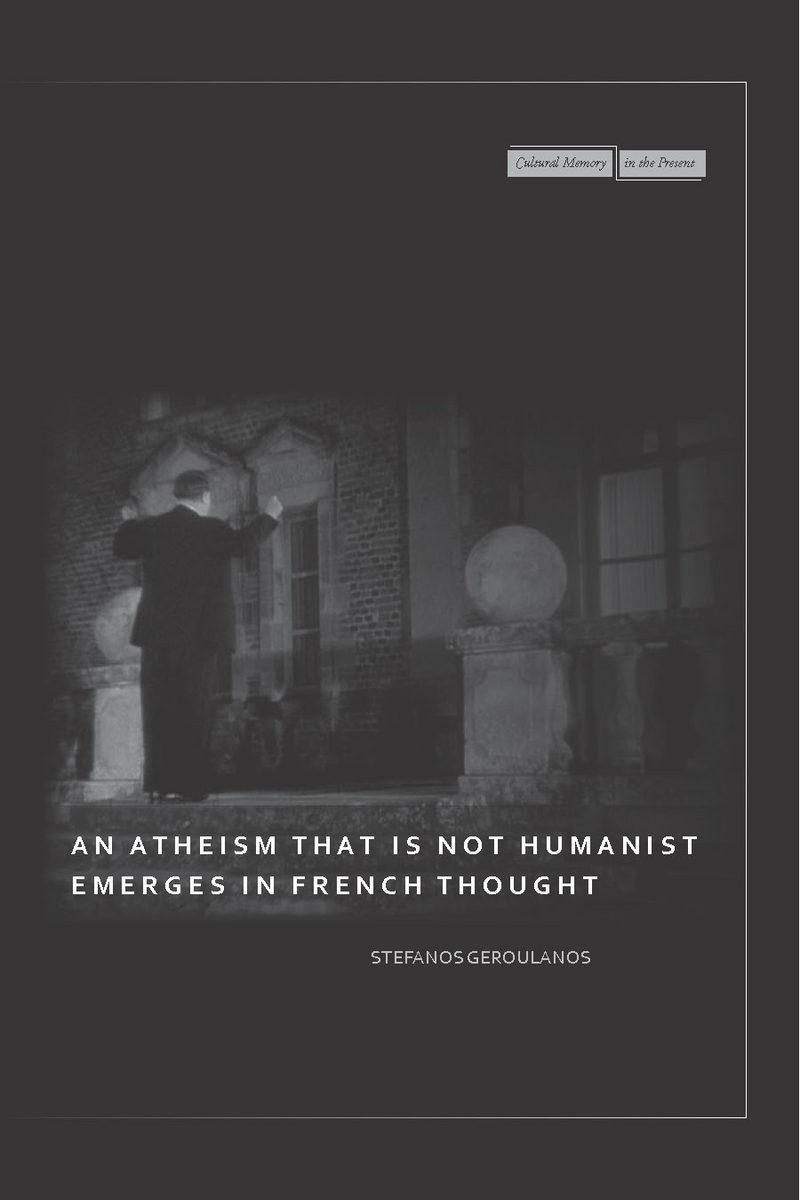
French philosophy changed dramatically in the second quarter of the twentieth century. In the wake of World War I and, later, the Nazi and Soviet disasters, major philosophers such as Kojève, Levinas, Heidegger, Koyré, Sartre, Merleau-Ponty, and Hyppolite argued that man could no longer fill the void left by the "death of God" without also calling up the worst in human history and denigrating the dignity of the human subject. In response, they contributed to a new belief that man should no longer be viewed as the basis for existence, thought, and ethics; rather, human nature became dependent on other concepts and structures, including Being, language, thought, and culture. This argument, which was to be paramount for existentialism and structuralism, came to dominate postwar thought. This intellectual history of these developments argues that at their heart lay a new atheism that rejected humanism as insufficient and ultimately violent.
Betaal eenvoudig met kaart, Klarna, Apple Pay of Google Pay. Niet tevreden? Je hebt altijd 14 dagen bedenktijd. Lees meer in onze voorwaarden. Heb je vragen, mail ons dan via hello@memmo.org.
Memmo maakt studeren makkelijker – waar je ook bent ter wereld. Wij brengen je cursusboeken en slimme studietools samen op één plek: samenvattingen, quizzen, podcasts en flashcards. En Ted, je studievriend die antwoord geeft op alles wat je je afvraagt. Meer dan 50.000 studenten studeren hier al – gebouwd om je sneller te laten leren en minder stress te geven.