
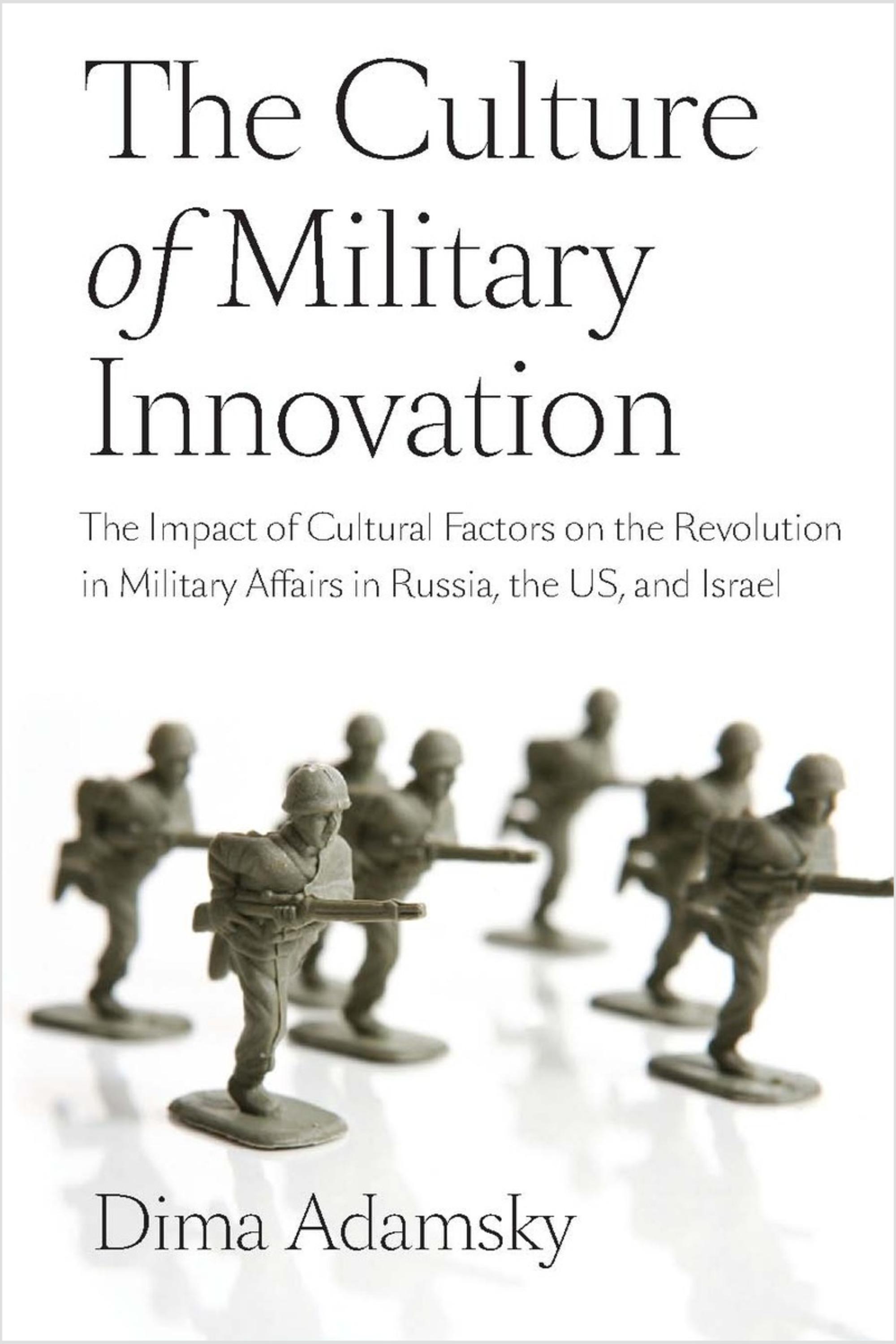
This book studies the impact of cultural factors on the course of military innovations. One would expect that countries accustomed to similar technologies would undergo analogous changes in their perception of and approach to warfare. However, the intellectual history of the Revolution in Military Affairs (RMA) in Russia, the US, and Israel indicates the opposite. The US developed technology and weaponry for about a decade without reconceptualizing the existing paradigm about the nature of warfare. Soviet 'new theory of victory' represented a conceptualization which chronologically preceded technological procurement. Israel was the first to utilize the weaponry on the battlefield, but was the last to develop a conceptual framework that acknowledged its revolutionary implications.
Utilizing primary sources that had previously been completely inaccessible, and borrowing methods of analysis from political science, history, anthropology, and cognitive psychology, this book suggests a cultural explanation for this puzzling transformation in warfare.
The Culture of Military Innovation offers a systematic, thorough, and unique analytical approach that may well be applicable in other perplexing strategic situations. Though framed in the context of specific historical experience, the insights of this book reveal important implications related to conventional, subconventional, and nonconventional security issues. It is therefore an ideal reference work for practitioners, scholars, teachers, and students of security studies.
Betaal eenvoudig met kaart, Klarna, Apple Pay of Google Pay. Niet tevreden? Je hebt altijd 14 dagen bedenktijd. Lees meer in onze voorwaarden. Heb je vragen, mail ons dan via hello@memmo.org.
Memmo maakt studeren makkelijker – waar je ook bent ter wereld. Wij brengen je cursusboeken en slimme studietools samen op één plek: samenvattingen, quizzen, podcasts en flashcards. En Ted, je studievriend die antwoord geeft op alles wat je je afvraagt. Meer dan 50.000 studenten studeren hier al – gebouwd om je sneller te laten leren en minder stress te geven.