
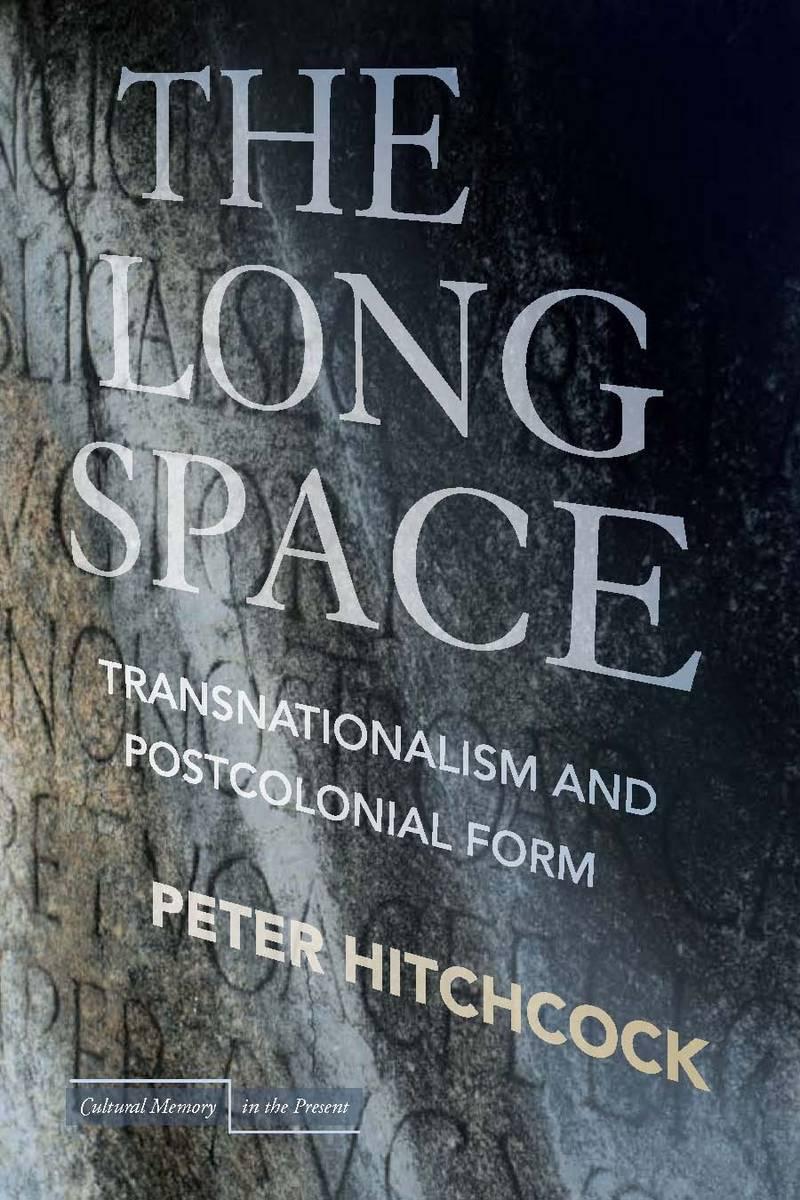
The resurgence of "world literature" as a category of study seems to coincide with what we understand as globalization, but how does postcolonial writing fit into this picture? Beyond the content of this novel or that, what elements of postcolonial fiction might challenge the assumption that its main aim is to circulate native information globally? The Long Space provides a fresh look at the importance of postcolonial writing by examining how it articulates history and place both in content and form. Not only does it offer a new theoretical model for understanding decolonization's impact on duration in writing, but through a series of case studies of Guyanese, Somali, Indonesian, and Algerian writers, it urges a more protracted engagement with time and space in postcolonial narrative. Although each writer—Wilson Harris, Nuruddin Farah, Pramoedya Ananta Toer, and Assia Djebar—explores a unique understanding of postcoloniality, each also makes a more general assertion about the difference of time and space in decolonization. Taken together, they herald a transnationalism beyond the contaminated coordinates of globalization as currently construed.
Betaal eenvoudig met kaart, Klarna, Apple Pay of Google Pay. Niet tevreden? Je hebt altijd 14 dagen bedenktijd. Lees meer in onze voorwaarden. Heb je vragen, mail ons dan via hello@memmo.org.
Memmo maakt studeren makkelijker – waar je ook bent ter wereld. Wij brengen je cursusboeken en slimme studietools samen op één plek: samenvattingen, quizzen, podcasts en flashcards. En Ted, je studievriend die antwoord geeft op alles wat je je afvraagt. Meer dan 50.000 studenten studeren hier al – gebouwd om je sneller te laten leren en minder stress te geven.