
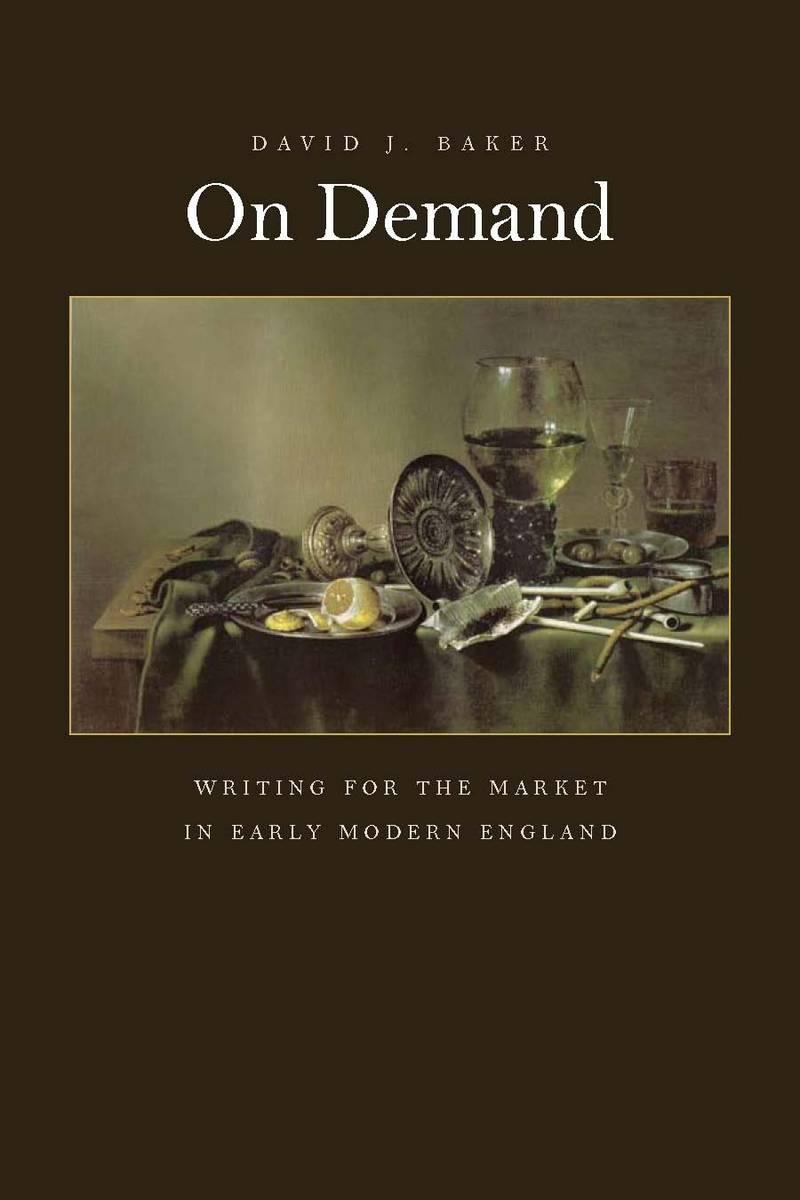
In early modern England, while moralists railed against the theater as wasteful and depraved and inflation whittled away at the value of wages, people attended the theater in droves. On Demand draws on recent economic history and theory to account for this puzzling consumer behavior. He shows that during this period demand itself, with its massed acquisitive energies, transformed the English economy. Over the long sixteenth-century consumption burgeoned, though justifications for it lagged behind. People were in a curious predicament: they practiced consumption on a mass scale but had few acceptable reasons for doing so. In the literary marketplace, authors became adept at accommodating such contradictions fashioning works that spoke to self-divided consumers: Thomas Nashe castigated and satiated them at the same time . William Shakespeare satirized credit problems. Ben Jonson investigated the problems of global trade, and Robert Burton enlisted readers in a project of economic betterment.
Betaal eenvoudig met kaart, Klarna, Apple Pay of Google Pay. Niet tevreden? Je hebt altijd 14 dagen bedenktijd. Lees meer in onze voorwaarden. Heb je vragen, mail ons dan via hello@memmo.org.
Memmo maakt studeren makkelijker – waar je ook bent ter wereld. Wij brengen je cursusboeken en slimme studietools samen op één plek: samenvattingen, quizzen, podcasts en flashcards. En Ted, je studievriend die antwoord geeft op alles wat je je afvraagt. Meer dan 50.000 studenten studeren hier al – gebouwd om je sneller te laten leren en minder stress te geven.